
How to protect a snake camera from damage?
Leave a message

Snake cameras, also known as borescopes, are invaluable tools in various industries, including plumbing, construction, automotive, and more. These flexible cameras allow users to inspect hard-to-reach areas, such as pipes, ducts, and engine compartments, without the need for extensive disassembly. As a snake camera supplier, I understand the importance of ensuring these devices are well-protected to maintain their functionality and longevity. In this blog post, I will share some practical tips on how to protect a snake camera from damage.
Understanding the Components of a Snake Camera
Before delving into protection strategies, it's essential to understand the key components of a snake camera. A typical snake camera consists of a flexible cable, a camera head, a display unit, and a control module. The flexible cable is usually made of a durable material like fiberglass or steel and contains the wiring for transmitting video signals from the camera head to the display unit. The camera head is equipped with a lens and LED lights for illumination. The display unit shows the live video feed, and the control module allows users to adjust settings such as focus, brightness, and zoom.


Handling and Storage
- Proper Handling: When using a snake camera, always handle it with care. Avoid pulling or tugging on the cable forcefully, as this can damage the internal wiring. Instead, gently guide the camera through the inspection area, using slow and steady movements. If you encounter resistance, do not force the camera forward, as this could cause the cable to kink or the camera head to get stuck.
- Correct Storage: After use, store the snake camera in a clean, dry place. Avoid leaving it in direct sunlight or extreme temperatures, as this can damage the electronic components. If possible, use a dedicated storage case to protect the camera from dust, dirt, and physical damage. When coiling the cable, do it neatly and avoid sharp bends or twists, as these can weaken the cable over time.
Cleaning and Maintenance
- Regular Cleaning: Regular cleaning is essential to keep the snake camera in good working condition. After each use, wipe the camera head and cable with a soft, dry cloth to remove any dirt, debris, or moisture. If the camera head is particularly dirty, you can use a mild cleaning solution and a soft brush to gently clean the lens and LED lights. Be careful not to get any liquid inside the camera head, as this can damage the electronic components.
- Inspection and Maintenance: Periodically inspect the snake camera for any signs of damage, such as frayed cables, loose connections, or cracked lenses. If you notice any issues, have the camera repaired or replaced as soon as possible to prevent further damage. Additionally, follow the manufacturer's recommended maintenance schedule, which may include tasks such as lubricating moving parts, replacing batteries, or updating firmware.
Protection During Use
- Use Protective Accessories: To protect the snake camera during use, consider using protective accessories such as camera guards, cable protectors, and waterproof covers. Camera guards can prevent the lens from getting scratched or damaged, while cable protectors can shield the cable from abrasion and kinking. Waterproof covers are especially useful when using the camera in wet or damp environments.
- Avoid Hazardous Environments: When using the snake camera, avoid exposing it to hazardous environments, such as areas with high levels of dust, chemicals, or extreme temperatures. These conditions can damage the camera's electronic components and reduce its lifespan. If you need to use the camera in a challenging environment, take appropriate precautions, such as wearing protective gear and using additional protective equipment.
Compatibility and Quality
- Choose the Right Camera: When selecting a snake camera, choose one that is compatible with your specific application. Consider factors such as the length and diameter of the cable, the resolution of the camera, and the features and functions you need. Additionally, choose a camera from a reputable manufacturer that offers a warranty and good customer support.
- Invest in Quality: While it may be tempting to choose a cheaper snake camera, investing in a high-quality camera can save you money in the long run. Quality cameras are more durable, reliable, and less likely to break down or require frequent repairs. Look for cameras that are made from high-quality materials and have a proven track record of performance.
Examples of Our Snake Cameras
As a snake camera supplier, we offer a wide range of high-quality snake cameras to meet the needs of various industries. Here are some examples of our popular products:
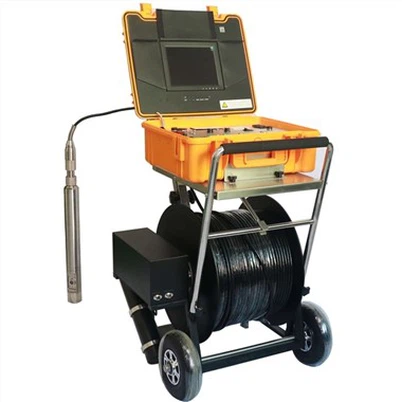
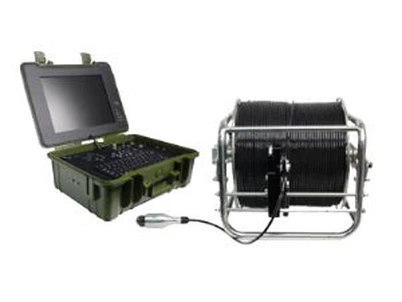
- HD Portable Pipe Inspection Camera GLF110-7A 006A: This portable pipe inspection camera features high-definition video, a flexible cable, and a built-in LED light for clear and detailed inspections.
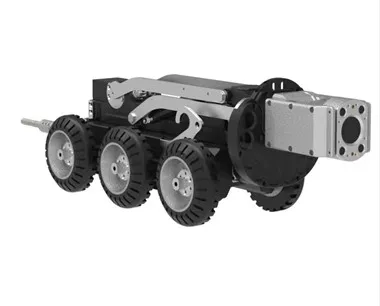
- 360 degree rotating AHD pipe sewer inspection camera: This advanced pipe sewer inspection camera offers 360-degree rotation, allowing you to view the entire circumference of the pipe. It also features an AHD video output for high-quality video recording.
- Pipe CCTV Chimney Inspection Camera: This specialized camera is designed for chimney inspections. It features a flexible cable, a high-resolution camera, and a built-in LED light for clear and detailed inspections of chimneys and flues.
Conclusion
Protecting a snake camera from damage is essential to ensure its longevity and performance. By following the tips outlined in this blog post, you can minimize the risk of damage and keep your snake camera in good working condition for years to come. As a snake camera supplier, we are committed to providing high-quality products and excellent customer service. If you have any questions or need help selecting the right snake camera for your application, please don't hesitate to contact us. We look forward to working with you and helping you find the perfect solution for your inspection needs.
References
- Manufacturer's manuals and documentation for snake cameras
- Industry standards and best practices for handling and maintaining inspection equipment
- Online resources and forums for professionals in the plumbing, construction, and automotive industries