
How much weight can a snake camera cable support?
Leave a message

Snake cameras, also known as flexible borescopes or inspection cameras, are invaluable tools in various industries, including plumbing, automotive repair, and industrial maintenance. These cameras are designed to navigate through tight spaces, pipes, and ducts, allowing users to visually inspect areas that are otherwise difficult or impossible to reach. One crucial aspect of a snake camera is its cable, which not only provides a pathway for the camera to reach the inspection site but also needs to support its own weight and potentially additional forces during operation. In this blog post, I'll explore the factors that influence the weight - bearing capacity of a snake camera cable, and as a snake camera supplier, I'll share some insights regarding our products.
Factors Affecting the Weight - Bearing Capacity of Snake Camera Cables
Cable Material
The material of the snake camera cable is one of the most significant factors in determining its weight - bearing capacity. Most snake camera cables are made from materials like high - strength polymers, fiberglass - reinforced plastics, or metal alloys.


High - strength polymers are lightweight and flexible, making them ideal for easy maneuverability. However, their weight - bearing capacity is relatively limited compared to metal alloys. For example, a cable made from a common polymer might be able to support a few pounds of additional weight, but it can deform or break under heavier loads.
Fiberglass - reinforced plastics offer a good balance between flexibility and strength. The fiberglass strands within the plastic matrix increase the cable's tensile strength, allowing it to support more weight than a pure polymer cable. They can typically handle moderate loads, which is sufficient for many standard inspection tasks.
Metal alloys, such as stainless steel or aluminum, are the strongest options. Stainless steel cables are highly resistant to corrosion and can support significant weights. They are often used in industrial applications where the camera needs to be lowered into deep, heavy - duty pipes. For instance, in large - scale sewage systems, a stainless - steel cable can easily support the weight of the camera and any additional accessories attached to it.
Cable Diameter
The diameter of the snake camera cable also plays a vital role in its weight - bearing capacity. Generally, a thicker cable can support more weight than a thinner one. A larger diameter provides more material cross - section, which increases the cable's strength and stiffness.
For example, a 1/4 - inch diameter cable will have a lower weight - bearing capacity compared to a 3/8 - inch diameter cable made from the same material. However, increasing the diameter also makes the cable less flexible, which can be a drawback in applications where tight turns and bends are required. So, there is a trade - off between weight - bearing capacity and flexibility when choosing the cable diameter.
Cable Length
The length of the snake camera cable is another important factor. As the cable length increases, its self - weight also increases, which reduces the amount of additional weight it can support. A longer cable is more prone to sagging and bending under its own weight, and this can further weaken its ability to carry extra load.
For short - length cables (less than 10 meters), the self - weight is relatively small, and the cable can support a relatively high proportion of additional weight. But for longer cables, say 50 meters or more, the self - weight becomes a significant factor, and the additional weight - bearing capacity is reduced.
Weight - Bearing Capacity of Our Snake Camera Cables
As a snake camera supplier, we offer a wide range of products with different cable specifications to meet various customer needs.
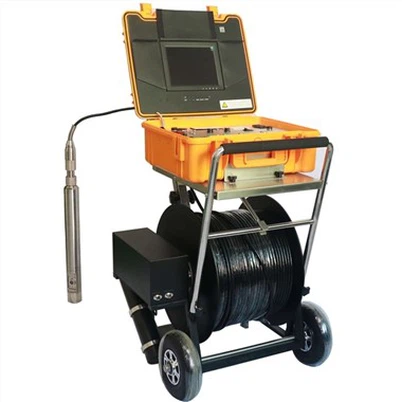
Our Hot Sale13 Inch Screen Sewer Camera comes with a high - quality polymer cable. The cable has been designed to be lightweight and flexible for easy use in small - to - medium - sized pipes. Although the weight - bearing capacity of this polymer cable is limited, it is more than sufficient for the camera itself and a small amount of additional weight, such as a small light attachment.
The Snake Camera WiFi Inspection Camera Endoscope features a fiberglass - reinforced plastic cable. This cable provides a good balance of flexibility and strength. It can support the camera and some moderate - weight accessories, making it suitable for a variety of plumbing and general inspection tasks.
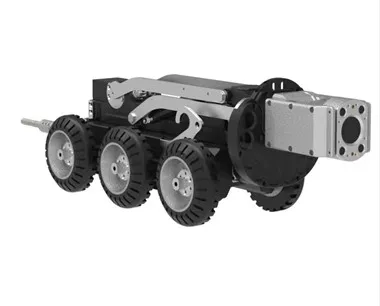
For more heavy - duty applications, we have the 50m With Automatic Self - leveling 512HZ Transmitter 7 - inch DVR Sewer Pipe Inspection Drainage Pipe Detection Camera. This product is equipped with a metal - alloy cable, which can withstand the long length and support the camera, the 512HZ transmitter, and other accessories. The metal - alloy cable ensures that the camera can be safely lowered into deep and large - diameter pipes without the risk of cable breakage.
Testing the Weight - Bearing Capacity
To ensure the quality and reliability of our snake camera cables, we conduct rigorous testing. We use specialized testing equipment to apply controlled loads to the cables and measure their performance.
We test the cables under static conditions, where a fixed weight is applied to the cable for a certain period to check for deformation or breakage. We also perform dynamic tests, simulating the actual movement and vibration that the cable might experience during use.
These tests allow us to accurately determine the weight - bearing capacity of each cable type and provide our customers with reliable product information.
Conclusion
The weight - bearing capacity of a snake camera cable is determined by multiple factors, including cable material, diameter, and length. As a snake camera supplier, we understand the importance of providing cables with appropriate weight - bearing capabilities for different applications.
Whether you need a lightweight and flexible cable for small - scale inspections or a heavy - duty cable for industrial use, we have the right product for you. Our products are designed and tested to meet the highest standards of quality and performance.
If you are interested in our snake camera products and want to discuss your specific requirements or place an order, please don't hesitate to contact us. We are ready to provide you with professional advice and excellent customer service.
References
- "Engineering Materials: Properties and Selection" by George E. Dieter.
- "Mechanical Behavior of Materials" by Norman E. Dowling.