
How long does the battery of the wells camera last?
Leave a message

As a supplier of Wells cameras, one of the most common questions I receive from customers is, "How long does the battery of the Wells camera last?" This is a crucial question, as the battery life of a camera can significantly impact its usability, especially in situations where access to power sources is limited. In this blog post, I will delve into the factors that affect the battery life of Wells cameras and provide some tips on how to maximize it.
Factors Affecting Battery Life
Camera Model and Features
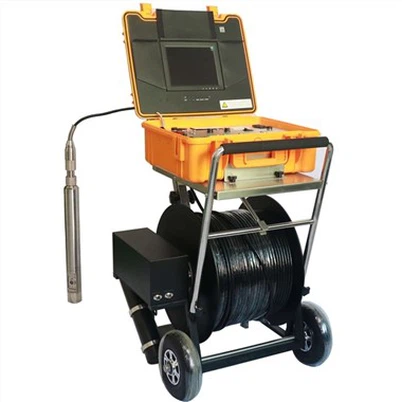
Different models of Wells cameras come with varying battery capacities and power consumption rates. Cameras with more advanced features, such as high-resolution imaging, real-time video streaming, and built-in lighting, tend to consume more power. For example, a Borehole Inspection Camera equipped with high-intensity LED lights and a high-definition camera module will use more battery power than a basic model with fewer features.
Usage Patterns
How you use the camera also plays a significant role in determining battery life. Continuous use, such as recording long videos or keeping the camera's live view active for extended periods, will drain the battery faster. Additionally, frequent zooming, focusing, and other camera operations can increase power consumption. For instance, if you are using an Underwater dual view borescope inspection camera to inspect a large area, constantly adjusting the camera's view and zoom levels will consume more power compared to a simple static inspection.
Environmental Conditions
The operating environment can have a substantial impact on battery performance. Extreme temperatures, both hot and cold, can reduce the battery's capacity and lifespan. In cold temperatures, the chemical reactions within the battery slow down, resulting in reduced power output. Conversely, high temperatures can cause the battery to overheat, which can damage the battery cells and shorten its overall life. For example, using a Flexible Cable Industrial Borehole Camera in a deep borehole where the temperature is extremely cold may lead to a shorter battery life.
Typical Battery Life of Wells Cameras
The battery life of Wells cameras can vary widely depending on the factors mentioned above. On average, a standard Wells camera with normal usage can last anywhere from 2 to 8 hours on a single charge. However, this is just a rough estimate, and the actual battery life may be shorter or longer depending on the specific model and usage conditions.
For example, a basic Wells camera with a simple design and minimal features may last up to 8 hours on a single charge when used intermittently for short periods. On the other hand, a more advanced camera with high-resolution imaging and continuous video recording capabilities may only last 2 to 3 hours under heavy usage.


Tips to Maximize Battery Life
Optimize Camera Settings
Adjusting the camera's settings can help reduce power consumption. For example, lowering the screen brightness, reducing the frame rate of video recording, and disabling unnecessary features such as Wi-Fi or Bluetooth can all help extend the battery life. Additionally, using the camera's power-saving mode, if available, can automatically adjust the camera's settings to conserve power.
Use High-Quality Batteries
Investing in high-quality batteries can make a significant difference in battery life. Lithium-ion batteries are generally preferred for their high energy density and long lifespan. Make sure to use batteries that are specifically designed for your Wells camera and follow the manufacturer's recommendations for charging and storage.
Carry Spare Batteries
If you anticipate using the camera for an extended period or in situations where access to power outlets is limited, it is a good idea to carry spare batteries. This way, you can quickly swap out a depleted battery for a fully charged one and continue using the camera without interruption.
Properly Store and Maintain the Battery
Proper storage and maintenance of the battery can also help prolong its life. Store the battery in a cool, dry place and avoid exposing it to extreme temperatures or humidity. Additionally, make sure to charge the battery regularly and avoid overcharging or discharging it completely, as this can damage the battery cells.
Conclusion
In conclusion, the battery life of Wells cameras can vary depending on several factors, including the camera model, usage patterns, and environmental conditions. By understanding these factors and following the tips mentioned above, you can maximize the battery life of your Wells camera and ensure that it performs optimally when you need it most.
If you are interested in purchasing a Wells camera or have any questions about battery life or other features, please feel free to contact us for a detailed discussion. We are here to help you find the right camera solution for your needs.
References
- Camera Technology Handbook, Third Edition, by Rudolf F. Graf.
- Battery Technology and Applications, edited by David Linden and Thomas B. Reddy.