
How is the compression ratio of photos taken by wells camera?
Leave a message

Hey there! As a supplier of Wells Camera, I often get asked about the compression ratio of the photos taken by our cameras. So, I thought I'd take a few minutes to break it down for you.
First off, let's talk about what compression ratio actually means. In simple terms, it's the ratio of the size of an uncompressed file to the size of the same file after compression. When it comes to photos, compression is used to reduce the file size without sacrificing too much image quality. This is super important, especially when you're dealing with limited storage space or slow data transfer speeds.
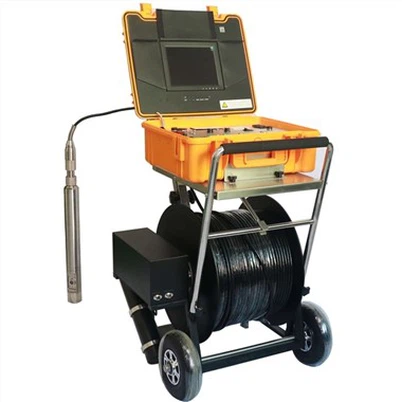
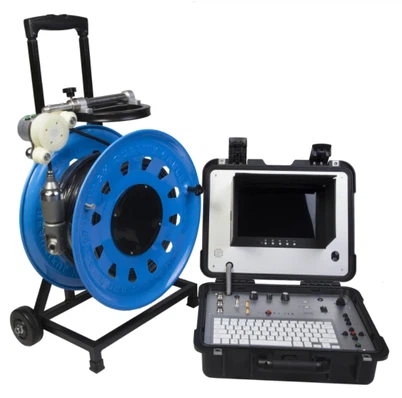
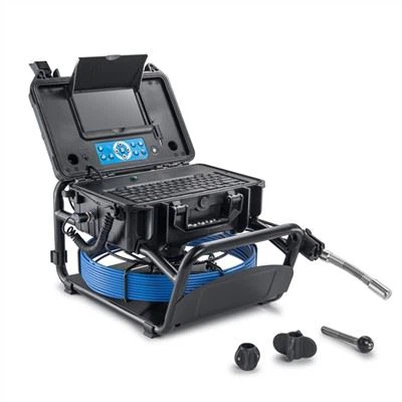
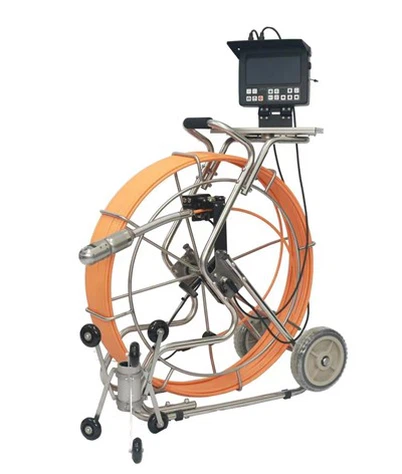
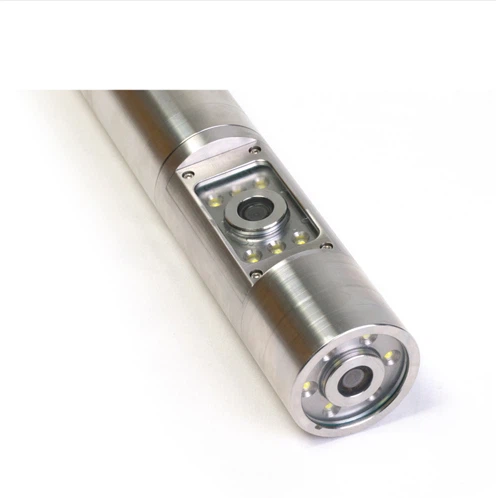
Our Wells Cameras are designed with state - of - the - art compression technology. We understand that our customers, whether they're using Borehole Water Well Camera for inspecting water wells, Borewell Inspection Camera for borewell inspections, or Borehole Deep Water Inspection Camera for deep - water inspections, need high - quality images that don't take up a ton of space.
The compression ratio of our wells cameras can vary depending on the specific model and the settings you choose. On average, we achieve a compression ratio of around 10:1 to 20:1. That means if you have an uncompressed photo that's 10MB in size, after compression, it could be as small as 0.5MB to 1MB. This is a huge advantage, especially when you're taking hundreds or even thousands of photos during an inspection.
One of the key factors that affect the compression ratio is the image format. Our cameras support multiple image formats, such as JPEG, which is a widely used format known for its good compression capabilities. JPEG uses a lossy compression algorithm, which means it removes some of the image data that the human eye is less likely to notice. This allows for significant file size reduction while still maintaining a high level of visual quality.
Another factor is the level of detail in the photo. Photos with a lot of fine details, like small cracks in a borehole wall or tiny particles in the water, may require a lower compression ratio to preserve the necessary information. Our cameras are smart enough to adjust the compression based on the content of the photo. For example, if the camera detects a high - detail area, it will use a lower compression ratio to ensure that all the important details are captured.
We also offer different compression settings on our cameras. You can choose from low, medium, and high compression levels. The low compression level is great when you need the highest possible image quality, even if it means larger file sizes. This is useful for critical inspections where every little detail matters. The medium compression level is a good balance between file size and image quality, and it's suitable for most general - purpose inspections. The high compression level is ideal when you're short on storage space or need to quickly transfer the photos.
But how does the compression affect the image quality? Well, we've spent a lot of time and effort optimizing our compression algorithms to minimize the loss of image quality. In most cases, the difference between a slightly compressed photo and an uncompressed one is barely noticeable to the naked eye. However, if you're using a magnifying tool or doing a very detailed analysis, you might notice some minor artifacts, such as a slight blurring or a change in color accuracy. But these artifacts are usually very subtle and don't affect the overall usability of the photo for inspection purposes.
One of the benefits of our compression technology is that it allows for faster data transfer. When you're done with an inspection and need to transfer the photos to a computer or a server, smaller file sizes mean quicker transfer times. This can save you a lot of time, especially if you're working on a tight schedule.
In addition to the in - camera compression, we also provide software tools that can further compress the photos if needed. These tools allow you to batch - process multiple photos at once, adjusting the compression ratio according to your requirements. This gives you even more flexibility in managing your photo files.
So, if you're in the market for a camera for borehole or underwater inspections, the compression ratio of the photos is an important factor to consider. Our Wells Cameras offer a great combination of high - quality images and efficient compression. Whether you're a professional inspector, a contractor, or someone who just needs to take photos for personal use, our cameras can meet your needs.
If you're interested in learning more about our Wells Cameras or have any questions about the compression ratio or other features, don't hesitate to reach out. We're here to help you find the right camera for your specific application. Contact us today to start a conversation about your procurement needs, and let's see how our cameras can make your inspection jobs easier and more efficient.

References
- Camera Technology Handbook: A guide to understanding camera compression and image quality.
- Industry reports on borehole and underwater inspection camera requirements.