
How does a sewer camera work in pipes with sediment?
Leave a message

Sediment in pipes poses a significant challenge for various industries, including plumbing, wastewater management, and environmental monitoring. Sewer cameras play a crucial role in inspecting pipes with sediment, providing valuable insights into the condition of the pipes and helping to identify potential issues. As a sewer camera supplier, I am often asked about how these cameras work in pipes with sediment. In this blog post, I will explain the working principles of sewer cameras in sediment-laden pipes and discuss the features and technologies that make them effective in such challenging environments.
Working Principles of Sewer Cameras
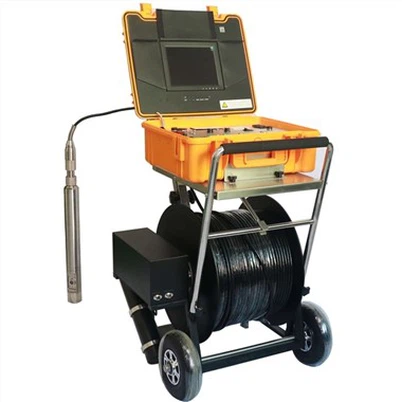
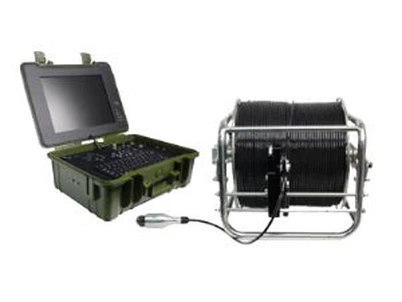
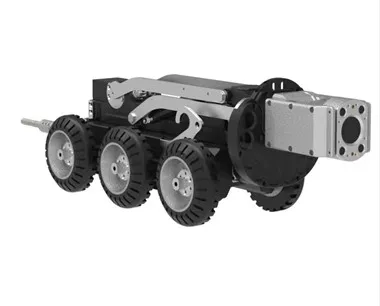
Sewer cameras are specialized devices designed to capture images and videos inside pipes. They typically consist of a camera head, a cable, and a control unit. The camera head is equipped with one or more lenses and lighting sources, which allow it to capture clear images and videos even in low-light conditions. The cable connects the camera head to the control unit, which provides power to the camera and allows the operator to control its functions, such as zooming, panning, and tilting.
When a sewer camera is inserted into a pipe, the camera head is guided through the pipe using a push rod or a reel. As the camera moves through the pipe, it captures images and videos of the pipe's interior, which are transmitted to the control unit via the cable. The operator can view the images and videos on a monitor connected to the control unit, allowing them to inspect the pipe for damage, blockages, or other issues.
Challenges of Inspecting Pipes with Sediment
Inspecting pipes with sediment presents several challenges for sewer cameras. Sediment can accumulate on the pipe walls, reducing the visibility of the camera and making it difficult to detect defects or blockages. Additionally, sediment can cause the camera to become stuck or damaged, especially if the sediment is thick or contains large particles.
To overcome these challenges, sewer cameras are designed with several features and technologies that allow them to operate effectively in sediment-laden pipes. These features include:
- High-Resolution Cameras: Sewer cameras are equipped with high-resolution cameras that can capture clear images and videos even in low-light conditions. This allows the operator to see details of the pipe's interior, such as cracks, leaks, or blockages, even if the pipe is filled with sediment.
- Powerful Lighting: Sewer cameras are equipped with powerful lighting sources, such as LED lights, that can illuminate the pipe's interior and improve visibility. The lighting sources are designed to be adjustable, allowing the operator to adjust the brightness of the lights depending on the amount of sediment in the pipe.
- Robust Construction: Sewer cameras are designed to be robust and durable, with a waterproof and shockproof housing that can withstand the harsh conditions inside pipes. This allows the camera to operate effectively in sediment-laden pipes without becoming damaged or malfunctioning.
- Flexible Push Rods: Sewer cameras are often used with flexible push rods that can be easily maneuvered through pipes with bends, curves, or other obstacles. This allows the camera to reach areas of the pipe that are difficult to access, such as deep underground or inside walls.
- Advanced Imaging Technologies: Some sewer cameras are equipped with advanced imaging technologies, such as 3D imaging or thermal imaging, that can provide additional information about the pipe's condition. For example, 3D imaging can create a three-dimensional model of the pipe's interior, allowing the operator to see the shape and size of the pipe and any defects or blockages. Thermal imaging can detect changes in temperature inside the pipe, which can indicate the presence of leaks or other issues.
How Sewer Cameras Work in Pipes with Sediment
To inspect pipes with sediment, sewer cameras use a combination of the features and technologies described above. When the camera is inserted into the pipe, the operator uses the push rod or reel to guide the camera through the pipe, while adjusting the lighting and camera settings as needed. As the camera moves through the pipe, it captures images and videos of the pipe's interior, which are transmitted to the control unit via the cable.


The operator can view the images and videos on a monitor connected to the control unit, allowing them to inspect the pipe for damage, blockages, or other issues. If the operator detects a defect or blockage, they can use the camera's zoom, pan, and tilt functions to get a closer look at the issue and determine the best course of action.
In some cases, the operator may need to use additional tools or techniques to remove the sediment from the pipe before the camera can be used to inspect it. For example, the operator may use a high-pressure water jet to clean the pipe walls or a vacuum truck to remove the sediment from the pipe. Once the sediment has been removed, the camera can be inserted into the pipe to inspect it for damage or other issues.
Benefits of Using Sewer Cameras in Pipes with Sediment
Using sewer cameras to inspect pipes with sediment offers several benefits, including:
- Accurate Inspections: Sewer cameras provide accurate and detailed information about the condition of the pipe, allowing the operator to detect defects, blockages, or other issues that may not be visible from the outside. This can help to prevent costly repairs or replacements by identifying problems early on.
- Cost-Effective: Inspecting pipes with sewer cameras is a cost-effective alternative to traditional methods of pipe inspection, such as excavation or pipe replacement. Sewer cameras can be used to inspect pipes without the need for costly excavation or disruption to the surrounding area, saving time and money.
- Non-Destructive: Sewer cameras are a non-destructive method of pipe inspection, which means that they do not damage the pipe or the surrounding area. This makes them ideal for inspecting pipes in sensitive areas, such as historical buildings or environmentally sensitive areas.
- Real-Time Monitoring: Sewer cameras provide real-time monitoring of the pipe's interior, allowing the operator to see the condition of the pipe as the camera moves through it. This can help to identify problems quickly and take appropriate action before they become more serious.
Conclusion
Sewer cameras are an essential tool for inspecting pipes with sediment, providing valuable insights into the condition of the pipes and helping to identify potential issues. By using high-resolution cameras, powerful lighting, robust construction, flexible push rods, and advanced imaging technologies, sewer cameras can operate effectively in sediment-laden pipes, overcoming the challenges of reduced visibility and potential damage.
If you are looking for a reliable sewer camera supplier, look no further. Our company offers a wide range of sewer cameras, including the Underwater dual view borescope inspection camera, Borehole Deep Water Inspection Camera, and Borehole Water Well Camera. Our cameras are designed to be durable, reliable, and easy to use, making them ideal for a variety of applications.
If you have any questions or would like to learn more about our sewer cameras, please contact us today. We would be happy to discuss your needs and provide you with a customized solution that meets your requirements.
References
- Smith, J. (2020). Sewer Camera Inspection: A Comprehensive Guide. Plumbing & Mechanical Magazine.
- Johnson, M. (2019). The Benefits of Using Sewer Cameras for Pipe Inspection. Environmental Health & Safety Magazine.
- Brown, R. (2018). How Sewer Cameras Work: A Technical Overview. Civil Engineering Magazine.