
How do ROV robots contribute to containing oil spills underwater?
Leave a message

Hey there! As a supplier of ROV (Remotely Operated Vehicle) robots, I'm super excited to share with you how these amazing machines contribute to containing oil spills underwater. Oil spills are a major environmental disaster, and ROVs play a crucial role in minimizing their impact.
First off, let's understand what an oil spill is and why it's such a big deal. An oil spill occurs when liquid petroleum is released into the environment, usually in the ocean. This can happen due to accidents during oil drilling, transportation, or storage. Oil spills can have devastating effects on marine life, ecosystems, and coastal communities. They can contaminate water, kill fish and other marine animals, and damage habitats.
So, how do ROV robots come into the picture? Well, ROVs are unmanned vehicles that are controlled remotely from a surface vessel. They are equipped with cameras, sensors, and other tools that allow them to operate in deep water and perform various tasks. Here are some of the ways ROVs contribute to containing oil spills underwater:
1. Initial Assessment
When an oil spill occurs, the first step is to assess the situation. ROVs are sent to the spill site to gather information about the location, size, and extent of the spill. They can use their cameras to capture high-resolution images and videos of the underwater environment, allowing scientists and responders to get a better understanding of the spill. This information is crucial for developing an effective response plan.
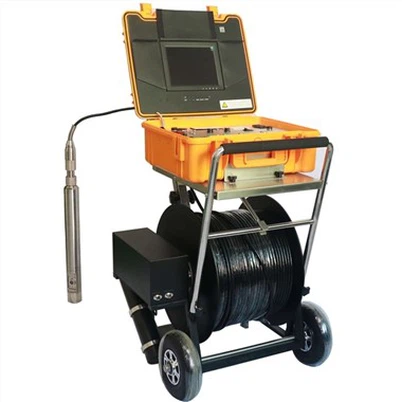
For example, our 100m Underwater Vertical Observation Borehole AHD Waterproof Inspection Camera can provide clear and detailed images of the underwater area affected by the spill. It has a high-quality camera and advanced lighting system, which allows it to operate in low-light conditions. This camera can be used to identify the source of the oil leak, the direction of the oil flow, and the presence of any underwater structures or obstacles.
2. Leak Sealing
Once the source of the oil leak is identified, ROVs can be used to seal the leak. They can be equipped with specialized tools and equipment, such as robotic arms and welding devices, to perform the necessary repairs. ROVs can also be used to install containment devices, such as blowout preventers and subsea valves, to stop the flow of oil.
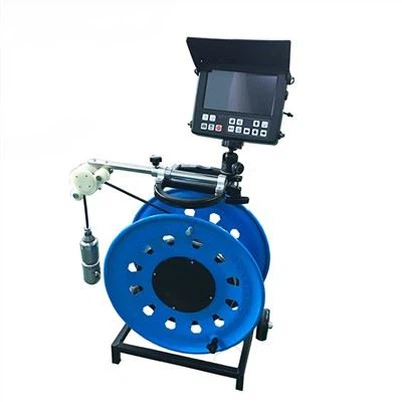
Our Pan Tilt Dome Camera Underwater Monitor System for Fishing Finders can be used to monitor the leak sealing process. It has a pan-tilt-zoom function, which allows it to capture images and videos from different angles. This camera can be used to ensure that the repair work is being carried out correctly and that the leak is being effectively sealed.
3. Oil Recovery
After the leak is sealed, the next step is to recover the spilled oil. ROVs can be used to deploy oil recovery equipment, such as skimmers and booms, to collect the oil from the water surface. They can also be used to operate subsea pumps and pipelines to transfer the recovered oil to storage tanks on the surface.


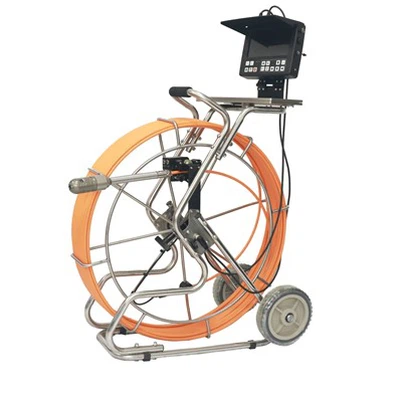
Our Flexible Cable Industrial Borehole Camera can be used to inspect the subsea pipelines and equipment used for oil recovery. It has a flexible cable that can be inserted into small spaces, allowing it to access hard-to-reach areas. This camera can be used to detect any leaks or damage in the pipelines and equipment, ensuring that the oil recovery process is safe and efficient.
4. Environmental Monitoring
ROVs can also be used to monitor the environmental impact of the oil spill. They can be equipped with sensors to measure water quality, temperature, and other environmental parameters. This information can be used to assess the extent of the damage caused by the spill and to develop strategies for restoring the affected ecosystem.
In addition to the above tasks, ROVs can also be used to perform other functions, such as mapping the underwater terrain, inspecting underwater structures, and collecting samples for analysis. They are versatile and reliable tools that can be used in a variety of underwater applications.
As a supplier of ROV robots, we are committed to providing high-quality products and services to our customers. Our ROVs are designed to be durable, reliable, and easy to operate. They are equipped with the latest technology and features, which allow them to perform complex tasks in challenging underwater environments.
If you are interested in purchasing ROV robots for oil spill response or other underwater applications, please feel free to contact us. We would be happy to discuss your needs and provide you with a customized solution. Our team of experts is available to answer any questions you may have and to provide you with technical support and training.
In conclusion, ROV robots play a crucial role in containing oil spills underwater. They are essential tools for initial assessment, leak sealing, oil recovery, and environmental monitoring. As a supplier of ROV robots, we are proud to contribute to the efforts to protect our environment and to minimize the impact of oil spills.
References
- National Oceanic and Atmospheric Administration (NOAA). (2023). Oil Spill Response. Retrieved from [NOAA website]
- International Maritime Organization (IMO). (2023). Oil Pollution Preparedness, Response and Cooperation. Retrieved from [IMO website]
- United States Environmental Protection Agency (EPA). (2023). Oil Spill Prevention, Preparedness, and Response. Retrieved from [EPA website]