
Can a snake camera be used for tree cavity inspections?
Leave a message

Can a snake camera be used for tree cavity inspections?
As a supplier of snake cameras, I often encounter inquiries about the diverse applications of our products. One question that has piqued my interest recently is whether a snake camera can be effectively used for tree cavity inspections. In this blog post, I'll delve into the feasibility, benefits, and considerations of using a snake camera for this purpose.
Understanding the Need for Tree Cavity Inspections
Tree cavities are natural hollows that form within the trunk or branches of trees. They can be caused by various factors, including decay, insect damage, or physical injury. While some cavities may be harmless, others can pose significant risks to the health and stability of the tree. For instance, large cavities can weaken the structural integrity of the tree, making it more prone to breakage during storms or high winds. Additionally, cavities can provide a breeding ground for pests and diseases, which can further compromise the tree's health.


Regular tree cavity inspections are essential for arborists, foresters, and tree owners to assess the condition of trees and determine the appropriate course of action. Traditional inspection methods often involve visual examination from the ground, which may not provide a comprehensive view of the cavity's interior. This is where snake cameras come into play.
How Snake Cameras Work
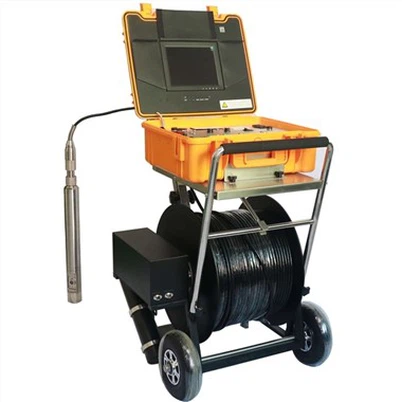
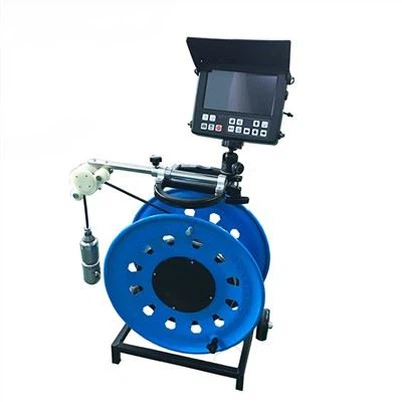
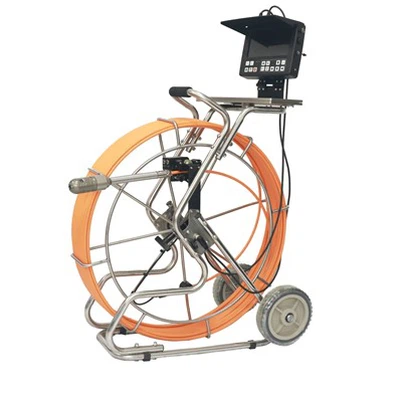
Snake cameras, also known as borescopes or inspection cameras, are flexible, long-range cameras that can be inserted into narrow spaces to capture visual footage. They typically consist of a camera head attached to a flexible cable or tube, which can be maneuvered through tight spaces. The camera head is equipped with a light source to illuminate the area being inspected, and the footage is transmitted to a monitor or display unit for viewing.
Advantages of Using Snake Cameras for Tree Cavity Inspections
- Enhanced Visibility: Snake cameras provide a clear and detailed view of the interior of tree cavities, allowing inspectors to identify the extent of decay, the presence of pests or diseases, and any structural damage. This information is crucial for making informed decisions about tree management and treatment.
- Non-Invasive: Unlike traditional inspection methods that may require cutting into the tree or climbing to access the cavity, snake cameras are non-invasive. They can be inserted through small holes or openings in the tree, minimizing damage to the tree and reducing the risk of further stress or infection.
- Cost-Effective: Snake cameras offer a cost-effective alternative to more expensive inspection techniques, such as advanced imaging technologies or aerial surveys. They are relatively inexpensive to purchase and operate, making them accessible to a wide range of users.
- Time-Saving: Snake cameras can significantly reduce the time required for tree cavity inspections. They allow inspectors to quickly and easily access hard-to-reach areas, eliminating the need for time-consuming and labor-intensive manual inspections.
Considerations for Using Snake Cameras in Tree Cavity Inspections
While snake cameras offer many advantages for tree cavity inspections, there are also some considerations to keep in mind:
- Cavity Size and Shape: The effectiveness of a snake camera depends on the size and shape of the cavity. If the cavity is too small or has a complex shape, the camera may not be able to penetrate or provide a clear view. In such cases, alternative inspection methods may be necessary.
- Tree Species and Condition: Different tree species have different characteristics, and the condition of the tree can also affect the success of the inspection. For example, some trees may have thick bark or dense foliage, which can make it difficult to access the cavity or interfere with the camera's operation.
- Operator Skill and Experience: Using a snake camera requires some skill and experience to maneuver the cable and obtain clear footage. It is important to ensure that the operator is trained and familiar with the equipment to avoid damaging the camera or the tree.
- Environmental Conditions: Environmental factors such as weather, humidity, and temperature can also affect the performance of the snake camera. Extreme conditions may cause the camera to malfunction or reduce the quality of the footage.
Our Snake Camera Products for Tree Cavity Inspections
At our company, we offer a range of high-quality snake cameras that are suitable for tree cavity inspections. Our cameras are designed to provide clear and detailed footage in even the most challenging environments. Here are some of our featured products:
- Waterproof CCTV Drain Camera: This camera is waterproof and can be used in wet or damp conditions, making it ideal for inspecting tree cavities that may contain moisture.
- 10 Inch HD Screen Pipe Inspection Camera: With a large 10-inch HD screen, this camera provides a clear and detailed view of the cavity's interior. It also features a flexible cable that can be easily maneuvered through tight spaces.
- Industrial Sewage Pipeline Inspection camera: This camera is designed for industrial applications and is suitable for inspecting large tree cavities or those with complex shapes. It features a high-resolution camera and a powerful light source to ensure clear footage.
Conclusion
In conclusion, snake cameras can be a valuable tool for tree cavity inspections. They offer enhanced visibility, non-invasive inspection capabilities, cost-effectiveness, and time-saving benefits. However, it is important to consider the size and shape of the cavity, the tree species and condition, the operator's skill and experience, and the environmental conditions when using a snake camera. At our company, we offer a range of high-quality snake cameras that are suitable for tree cavity inspections. If you are interested in learning more about our products or have any questions about using a snake camera for tree cavity inspections, please contact us to discuss your specific needs and requirements. We look forward to working with you to ensure the health and safety of your trees.
References
- Arboriculture Association. (2023). Tree Cavity Inspection Guidelines.
- International Society of Arboriculture. (2023). Tree Risk Assessment Best Practices.
- Smith, J. (2022). The Use of Snake Cameras in Arboriculture. Journal of Arboriculture, 48(3), 123-130.