
How do I use a pipe camera to detect pipe collapses?
Leave a message

Hey there! As a pipe camera supplier, I've seen firsthand how useful these nifty gadgets can be, especially when it comes to detecting pipe collapses. In this blog, I'll walk you through the process of using a pipe camera to spot those pesky pipe collapses.
First off, let's talk about why pipe collapses are a big deal. A collapsed pipe can cause all sorts of problems, from water leaks and sewage backups to structural damage to your property. And if you don't catch it early, it can lead to some seriously expensive repairs. That's where a pipe camera comes in handy. It allows you to get a clear view of what's going on inside your pipes without having to dig up your yard or tear down your walls.
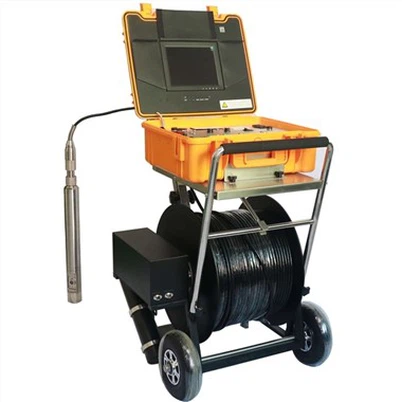
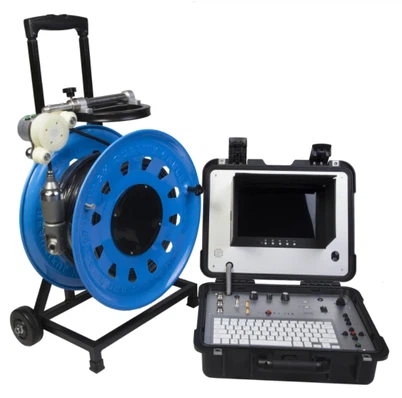
So, how do you use a pipe camera to detect pipe collapses? Well, the first step is to choose the right camera for the job. At our company, we offer a wide range of pipe cameras to suit different needs and budgets. For example, if you're looking for a camera to inspect boreholes, you might want to check out our Borehole Water Well Camera. This camera is specifically designed to withstand the harsh conditions of boreholes and can provide high-quality images and videos of the inside of the well.
Once you've chosen your camera, the next step is to prepare the pipe for inspection. This usually involves cleaning the pipe to remove any debris or blockages that could interfere with the camera's view. You can use a variety of tools to clean the pipe, such as a drain snake or a high-pressure water jet. Just make sure you follow the manufacturer's instructions and take all necessary safety precautions.
After the pipe is clean, it's time to insert the camera. Most pipe cameras come with a flexible cable that can be inserted into the pipe through an access point, such as a cleanout or a manhole. Make sure the cable is long enough to reach the area of the pipe you want to inspect. You may also need to use a guide or a locator to help you navigate the camera through the pipe.
Once the camera is inside the pipe, you can start recording. Most pipe cameras come with a built-in recorder or a connection to a separate recording device, such as a laptop or a tablet. Make sure you record the entire inspection process, including the location and condition of any pipe collapses or other problems you find. This will help you keep track of the inspection results and provide documentation for any repairs or maintenance that may be needed.
As you're recording, keep an eye out for signs of pipe collapses. Some common signs include cracks, breaks, or holes in the pipe, as well as areas where the pipe has collapsed or shifted. You may also notice signs of corrosion or other damage to the pipe. If you see any of these signs, make sure you mark the location on the recording and take detailed notes.
After the inspection is complete, it's time to review the recording and analyze the results. Look for any signs of pipe collapses or other problems and make a list of the areas that need to be repaired or replaced. You may also want to consult with a professional plumber or engineer to get their opinion on the best course of action.


In addition to detecting pipe collapses, a pipe camera can also be used for other types of pipe inspections, such as detecting blockages, leaks, or corrosion. For example, if you're experiencing slow drains or backups, a pipe camera can help you identify the source of the problem and determine the best way to fix it.
If you're in the market for a pipe camera, I encourage you to check out our Underwater dual view borescope inspection camera and Borehole Inspection Camera. These cameras are designed to provide high-quality images and videos of the inside of pipes and other hard-to-reach areas. They're also easy to use and come with a variety of features and accessories to make your inspection process as smooth and efficient as possible.
If you have any questions or need more information about our pipe cameras or how to use them, please don't hesitate to contact us. We're here to help you find the right camera for your needs and provide you with the support and guidance you need to get the most out of your inspection. Whether you're a professional plumber, a homeowner, or a business owner, we have the products and expertise to help you solve your pipe problems.
So, what are you waiting for? Start using a pipe camera today and take the first step towards preventing costly pipe collapses and other problems. And if you have any feedback or suggestions for future blog posts, please let me know. I'd love to hear from you!
References:
- Manufacturer's instructions for pipe cameras
- Industry standards and best practices for pipe inspection
- Personal experience as a pipe camera supplier