
How do ROV robots affect the fishing industry?
Leave a message

Hey there! As a supplier of ROV (Remotely Operated Vehicle) robots, I've seen firsthand how these nifty gadgets are shaking up the fishing industry big time. In this blog, I'm gonna break down the ways ROV robots are making waves and changing the game for fishermen everywhere.
1. Spotting the Big Catch
One of the most significant ways ROV robots affect the fishing industry is by helping fishermen find fish more efficiently. Traditional fishing methods often rely on guesswork and experience. Fishermen would head out to sea, drop their nets or lines, and hope for the best. But with ROV robots, it's a whole new ballgame.
These robots are equipped with high - tech cameras that can peer deep into the water. They can explore areas that are otherwise difficult or dangerous for humans to reach. For example, they can check out underwater caves, reefs, and deep - sea trenches where fish like to hide.
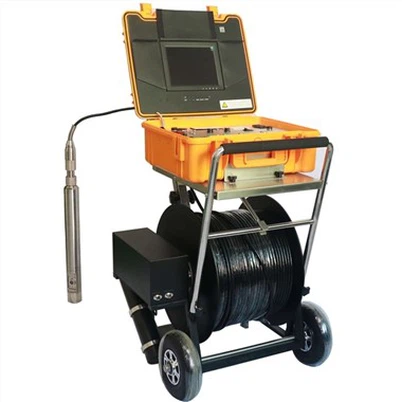
Take our 100m Water Pipe Inspection Camera Pan Tilt Drilling Pipelines Camera. It's got a pan - tilt feature that allows it to look around in different directions, giving fishermen a 360 - degree view of what's going on underwater. This means they can see schools of fish from a distance and plan their fishing strategies accordingly. Instead of spending hours searching aimlessly, they can target the areas where the fish are actually located.
2. Assessing the Fishing Grounds
ROV robots aren't just good for finding fish; they're also great for assessing the overall health of fishing grounds. Overfishing and environmental changes have taken a toll on many marine ecosystems. By using ROVs, fishermen can get a better understanding of the conditions of the underwater environment.
The cameras on ROVs can capture images of the seabed, showing the presence of coral reefs, seagrass beds, and other important habitats. If these habitats are in good condition, it's a sign that the area is likely to support a healthy fish population. On the other hand, if the seabed is littered with debris or shows signs of damage, it could indicate that the fishing grounds are in trouble.
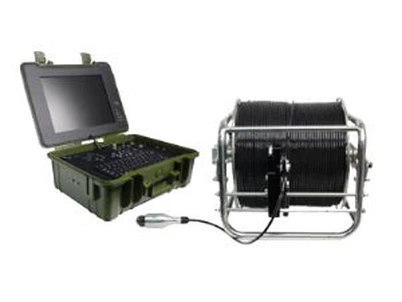
Our Drilling Deep Well Underwater Operation Camera System is a powerful tool for this kind of assessment. It can be used to explore deeper waters and get a comprehensive view of the underwater landscape. Fishermen can use this information to decide whether to fish in a particular area or to advocate for conservation measures to protect the fishing grounds.
3. Monitoring Fishing Equipment
Another way ROV robots are useful in the fishing industry is for monitoring fishing equipment. Nets, traps, and lines can get damaged or caught on underwater obstacles. This not only leads to lost equipment but can also result in a reduced catch.


ROV robots can be sent down to check on the condition of fishing gear. They can spot any tears in the nets or signs of entanglement. If a problem is detected, fishermen can take immediate action to repair or retrieve the equipment. This saves time and money in the long run.
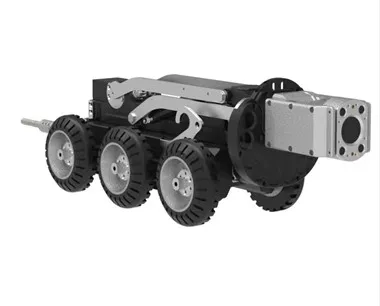
Our Borehole Inspection Camera With DVR Unit comes with a DVR unit, which means fishermen can record the inspection of their fishing equipment. They can review the footage later to make sure everything is in good working order.
4. Improving Safety
Safety is always a top priority in the fishing industry. Fishing can be a dangerous job, especially when working in rough seas or in deep waters. ROV robots can help reduce the risks associated with fishing.
Instead of sending fishermen down into the water to check on equipment or explore dangerous areas, ROVs can do the job. This eliminates the need for divers to put themselves in harm's way. For example, if there's a strong current or a potential hazard like a sharp rock formation, the ROV can be sent in to assess the situation without endangering human lives.
5. Impact on Sustainability
The use of ROV robots in the fishing industry also has a positive impact on sustainability. By helping fishermen target specific areas and avoid overfishing, these robots contribute to the long - term health of marine ecosystems.
When fishermen can accurately locate fish, they can use more selective fishing methods. This means they can catch only the fish they need and leave the rest to reproduce. This helps maintain a balanced fish population and ensures that future generations will also be able to enjoy the benefits of fishing.
Challenges and Limitations
Of course, ROV robots aren't without their challenges. One of the main issues is the cost. These robots can be quite expensive to purchase and maintain. Small - scale fishermen may find it difficult to afford them.
Another challenge is the technical expertise required to operate ROVs. Fishermen need to be trained on how to use the equipment properly to get the most out of it. There's also the issue of limited battery life, which can restrict the amount of time the ROV can be used underwater.
The Future of ROVs in the Fishing Industry
Despite the challenges, the future looks bright for ROV robots in the fishing industry. As technology continues to improve, the cost of these robots is likely to come down, making them more accessible to a wider range of fishermen.
We're also seeing advancements in areas like battery technology and artificial intelligence. Longer - lasting batteries will allow ROVs to stay underwater for longer periods, and AI - powered cameras will be able to identify different species of fish more accurately.
Wrapping It Up
In conclusion, ROV robots are having a huge impact on the fishing industry. They're helping fishermen find fish more efficiently, assess fishing grounds, monitor equipment, improve safety, and contribute to sustainability.
If you're in the fishing industry and are looking to take your operations to the next level, I encourage you to consider investing in an ROV robot. Our company offers a range of high - quality ROVs that are designed to meet the specific needs of fishermen. Whether you're a small - scale fisherman or part of a large fishing fleet, we've got the right solution for you.
Don't hesitate to get in touch if you're interested in learning more about our products or have any questions. We're here to help you make the most of this exciting technology and revolutionize your fishing business.
References
- "The Role of Technology in Sustainable Fishing", Fisheries Research Journal
- "Underwater Robotics: Applications in the Marine Industry", Ocean Technology Magazine