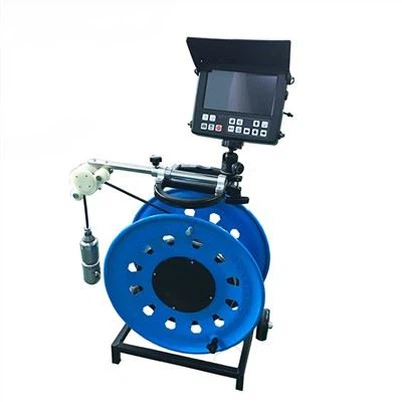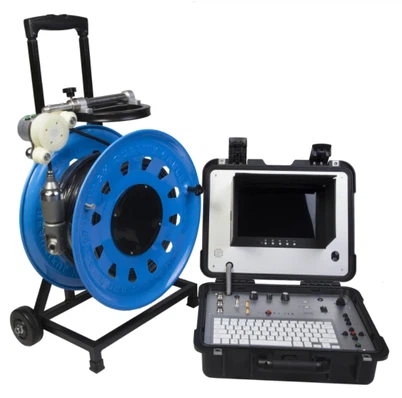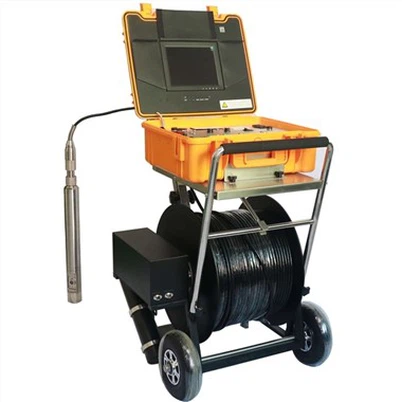

How do I maintain a sewer camera?
Leave a message

Maintaining a sewer camera is crucial for any professional in the plumbing or sewer inspection industry. As a supplier of sewer cameras, I understand the importance of proper maintenance to ensure the longevity and optimal performance of these valuable tools. In this blog post, I will share some essential tips on how to maintain a sewer camera effectively.
Regular Cleaning
One of the most fundamental aspects of sewer camera maintenance is regular cleaning. After each use, it is essential to clean the camera thoroughly to remove any dirt, debris, or sludge that may have accumulated during the inspection. Start by wiping the camera lens with a soft, lint-free cloth to remove any visible dirt or smudges. Use a mild cleaning solution if necessary, but be careful not to get any liquid inside the camera housing.
Next, clean the cable and the control unit. The cable is often exposed to harsh environments and can collect a significant amount of dirt and grime. Use a damp cloth to wipe down the cable, paying special attention to the connectors. Make sure to dry the cable completely before storing it to prevent corrosion.
The control unit should also be cleaned regularly. Use a compressed air canister to blow out any dust or debris from the vents and ports. Avoid using water or liquid cleaners on the control unit, as this can damage the electronic components.
Inspection and Testing
In addition to regular cleaning, it is important to inspect and test the sewer camera regularly. Before each use, visually inspect the camera, cable, and control unit for any signs of damage or wear. Check the cable for any cuts, abrasions, or kinks, as these can affect the camera's performance. Inspect the camera lens for any cracks or scratches, and make sure the connectors are clean and secure.
After each use, perform a simple test to ensure that the camera is working properly. Connect the camera to the control unit and turn it on. Check the image quality on the screen, and make sure the camera can pan, tilt, and zoom smoothly. If you notice any issues with the image quality or the camera's functionality, contact the manufacturer or a professional repair service for assistance.
Storage
Proper storage is also essential for maintaining a sewer camera. When not in use, the camera should be stored in a dry, cool place. Avoid storing the camera in direct sunlight or in a humid environment, as this can damage the electronic components.
Use a protective case or storage bag to keep the camera, cable, and control unit safe during transportation and storage. Make sure the case or bag is large enough to hold all the components without putting too much pressure on them.
When storing the cable, make sure to coil it neatly and avoid kinking or bending it. Use cable ties or a cable management system to keep the cable organized and prevent it from tangling.
Calibration
Over time, the camera's calibration may drift, which can affect the image quality and accuracy. To ensure optimal performance, it is recommended to calibrate the sewer camera regularly. The calibration process may vary depending on the make and model of the camera, so refer to the manufacturer's instructions for specific guidelines.
In general, calibration involves adjusting the camera's settings to ensure that the image is clear, sharp, and accurately represents the actual conditions in the sewer. This may include adjusting the contrast, brightness, color balance, and focus.
Replacement of Parts
Even with proper maintenance, some parts of the sewer camera may eventually wear out or become damaged. It is important to have a supply of replacement parts on hand, such as lenses, cables, connectors, and batteries. When replacing a part, make sure to use only genuine parts recommended by the manufacturer.
If you are not comfortable replacing a part yourself, contact the manufacturer or a professional repair service for assistance. They can ensure that the part is replaced correctly and that the camera is functioning properly.


Training and Education
Proper training and education are essential for maintaining a sewer camera effectively. Make sure that all operators are trained on how to use the camera correctly and how to perform basic maintenance tasks. Provide them with access to the manufacturer's user manual and training materials, and encourage them to ask questions and seek help when needed.
In addition, stay up-to-date on the latest developments in sewer camera technology and maintenance techniques. Attend industry conferences, seminars, and training courses to learn about new products, features, and best practices.
Conclusion
Maintaining a sewer camera is essential for ensuring its longevity and optimal performance. By following these tips on regular cleaning, inspection, testing, storage, calibration, replacement of parts, and training, you can keep your sewer camera in top condition and avoid costly repairs and downtime.
If you are in the market for a high-quality sewer camera or need assistance with maintenance or repair, please feel free to contact us for more information. We are a leading supplier of sewer cameras and related equipment, and we are committed to providing our customers with the best products and services.
References
- Manufacturer's user manual and maintenance guidelines
- Industry standards and best practices for sewer camera maintenance
- Professional training courses and seminars on sewer camera technology and maintenance