
How do I adjust the brightness of a drain camera's lights?
Leave a message

As a seasoned supplier of drain cameras, I often receive inquiries from customers about how to adjust the brightness of the camera's lights. Efficiently adjusting the light brightness is crucial for obtaining clear and detailed images during drain inspections. In this blog, I'll share some practical methods and considerations for adjusting the brightness of drain camera lights.
Understanding the Importance of Light Brightness in Drain Inspections
Before delving into the adjustment methods, it's essential to understand why proper light brightness is so important in drain inspections. Drains are typically dark environments, and without adequate lighting, it can be challenging to identify issues such as cracks, blockages, or root intrusions. Insufficient light may result in blurry or shadowy images, making it difficult to accurately assess the condition of the drain. On the other hand, excessive light can cause glare, which also impairs the visibility of the inspection area. Therefore, finding the right balance of light brightness is key to a successful drain inspection.
Types of Drain Camera Lights
Drain cameras come with different types of lights, each with its own characteristics and adjustment methods. The most common types of lights used in drain cameras are LED lights. LED lights are popular because they are energy - efficient, long - lasting, and can provide bright illumination. Some drain cameras may also use halogen lights, which offer a warm and intense light but consume more power and have a shorter lifespan compared to LEDs.
Adjustment Methods
Manual Adjustment
Many drain cameras offer manual brightness adjustment options. This is usually done through a control panel on the camera's main unit. The control panel may have buttons or a dial that allows you to increase or decrease the light brightness. When using manual adjustment, start by turning the lights on at a low setting and gradually increase the brightness until you achieve the desired level of illumination. It's important to make small adjustments and observe the changes in the image quality on the camera's display.
For example, if you're inspecting a large - diameter drain with a lot of debris, you may need to increase the light brightness to penetrate through the murky water and clearly see the details. Conversely, if you're inspecting a small, clean pipe, a lower light setting may be sufficient.
Automatic Adjustment
Some advanced drain cameras are equipped with automatic brightness adjustment features. These cameras use sensors to detect the ambient light conditions inside the drain and adjust the light brightness accordingly. Automatic adjustment can be very convenient, especially for users who are new to drain inspections or for those who need to quickly obtain clear images without spending too much time on manual adjustments.
However, automatic adjustment may not always be perfect. In some cases, the sensors may misinterpret the light conditions, resulting in over - or under - illuminated images. Therefore, it's still a good idea to keep an eye on the image quality and be prepared to switch to manual adjustment if necessary.
Preset Modes
Certain drain cameras come with preset brightness modes. These modes are designed for different types of drain inspection scenarios. For instance, there may be a mode for inspecting dirty drains, a mode for clean pipes, and a mode for underwater inspections. When using preset modes, simply select the mode that best matches your inspection situation, and the camera will adjust the light brightness accordingly.
Considerations for Adjusting Drain Camera Lights
Camera Placement
The placement of the drain camera inside the pipe can also affect the light distribution and the perceived brightness. Make sure the camera is centered in the pipe as much as possible to ensure even illumination. If the camera is too close to one side of the pipe, it may create shadows and uneven lighting.
Water Conditions
The clarity of the water inside the drain can have a significant impact on the light penetration. In murky or dirty water, more light is needed to see through the debris. You may need to increase the light brightness or use additional techniques such as flushing the pipe with clean water to improve the visibility.
Distance from the Inspection Area
The distance between the camera and the area you're inspecting also matters. The farther the camera is from the target, the more light is required to maintain a clear image. When adjusting the light brightness, take into account the distance and adjust the settings accordingly.
Product Recommendations
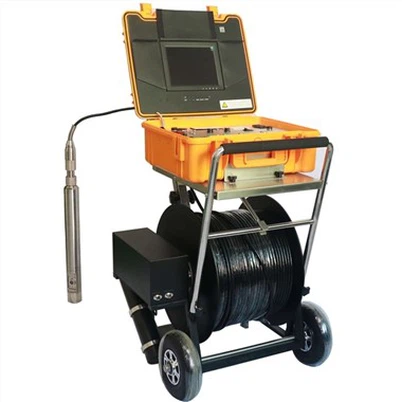
As a drain camera supplier, I'd like to recommend some of our high - quality products. The Underwater Wells 10 Inch Screen Pipe Camera is a great choice for underwater inspections. It has powerful LED lights that can be easily adjusted to provide optimal illumination in various water conditions.
The Sensor Underwater Network Video Fishing Camera is another excellent option. It not only offers adjustable light brightness but also comes with advanced sensors for depth and temperature measurement, which can be very useful for comprehensive underwater inspections.


If you're looking for a camera for deep - water well inspections, the Deep Water Well Inspection Camera Underground Underwater Inspection Camera is highly recommended. It has a robust design and bright LED lights that can penetrate the deep - water environment.
Conclusion
Adjusting the brightness of a drain camera's lights is an important skill for anyone involved in drain inspections. Whether you choose manual adjustment, automatic adjustment, or preset modes, understanding the principles and considerations behind light adjustment can help you obtain clear and accurate images.
If you're interested in purchasing a drain camera or have any questions about drain camera light adjustment, please feel free to contact us. Our team of experts is always ready to assist you in finding the best solution for your drain inspection needs. We look forward to discussing your requirements and helping you make the right choice.
References
- "Drain Inspection Technology: A Comprehensive Guide" by John Smith, published in the Journal of Drainage and Sewerage Research.
- "LED Lighting in Drain Cameras: Efficiency and Performance" by Emily Brown, presented at the National Plumbing and Drainage Conference.