
Can an ROV robot be used for underwater pipeline inspection?
Leave a message

Can an ROV robot be used for underwater pipeline inspection? Well, you bet it can! As a supplier of ROV robots, I've seen firsthand how these nifty machines are revolutionizing underwater pipeline inspection.
Let's start by understanding what an ROV robot is. ROV stands for Remotely Operated Vehicle. It's basically a robot that's controlled from the surface, allowing it to perform tasks in underwater environments where it's either too dangerous or too difficult for humans to go. These robots come equipped with a bunch of high - tech gadgets like cameras, sonars, and sensors that make them ideal for underwater pipeline inspection.
One of the main advantages of using an ROV robot for underwater pipeline inspection is safety. Underwater pipelines can be located in some pretty treacherous places - deep seas, areas with strong currents, or near industrial sites where there might be pollution. Sending human divers into these environments is risky business. They can face problems like decompression sickness, getting caught in the pipeline infrastructure, or being exposed to harmful chemicals. With an ROV, we can keep our operators safely on the surface while the robot does all the dirty work.


Another great thing about ROVs is their ability to access hard - to - reach areas. Pipelines can be laid in complex geometries, with bends, elbows, and branches. ROVs are designed to be highly maneuverable. They can be equipped with thrusters that allow them to move in all directions - up, down, left, right, forward, and backward. This means they can easily navigate through the pipeline network and inspect every nook and cranny.
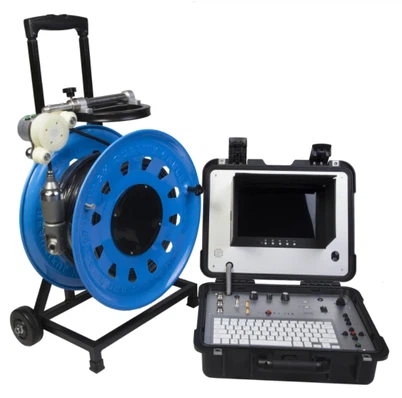
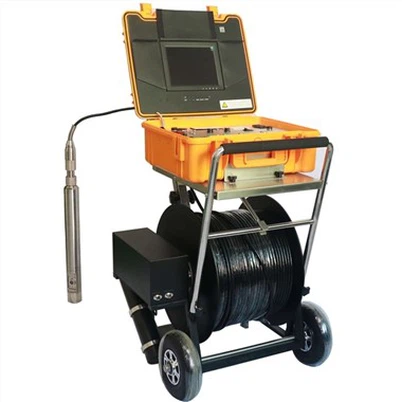
The cameras on ROVs are also a game - changer. These days, the cameras are high - resolution and can capture detailed images and videos of the pipeline interior. This helps us detect issues like corrosion, cracks, or blockages. For example, if there's a small crack in the pipeline, the camera can pick it up, and we can then take steps to repair it before it turns into a major problem. We have some really cool camera systems, like the Oil Gas Borehole Camera For 5000m, which is designed to work at great depths and can provide clear visuals even in low - light conditions.
ROVs can also carry other sensors. Sonar sensors, for instance, are very useful for detecting objects outside the pipeline or for mapping the surrounding area. They can help us identify if there are any external factors that might be affecting the pipeline, like nearby rocks or other underwater structures. And there are also sensors that can measure things like temperature, pressure, and the presence of certain chemicals inside the pipeline. This data is crucial for understanding the overall health of the pipeline.
Now, I know some people might be worried about the cost. But when you think about it, the long - term benefits of using an ROV for pipeline inspection far outweigh the initial investment. The cost of sending human divers for regular inspections can add up quickly, especially when you factor in things like safety equipment, training, and the time it takes to complete the inspection. ROVs, on the other hand, can work faster and more efficiently. Once you've purchased the ROV and the necessary equipment, the ongoing costs are relatively low.
We also offer a Borehole Inspection Camera With DVR Unit. This is a great addition to our ROVs as it allows us to record all the inspection data. We can then review the footage later, share it with experts, or use it for future reference. It's like having a permanent record of the pipeline's condition.
Our Drilling Deep Well Underwater Operation Camera System is another example of how we're constantly innovating to make underwater pipeline inspection better. This system is specifically designed for deep - well operations and can withstand the high pressures and harsh conditions found at great depths.
In conclusion, ROV robots are an excellent choice for underwater pipeline inspection. They offer safety, maneuverability, and the ability to collect detailed data. Whether you're in the oil and gas industry, water management, or any other field that involves underwater pipelines, an ROV can save you time, money, and a lot of headaches.
If you're interested in learning more about our ROV robots and how they can be used for your underwater pipeline inspection needs, I'd love to have a chat with you. We can discuss your specific requirements, show you some demos, and give you a quote. Don't hesitate to reach out and start a conversation about how we can work together to keep your pipelines in top shape.
References
- "Underwater Robotics: Technology and Applications" by some author
- Journal articles on underwater pipeline inspection and ROV technology