
Can an ROV robot be equipped with manipulators?
Leave a message

Can an ROV robot be equipped with manipulators? That's a question I often get asked as an ROV robot supplier. And the answer is a resounding yes! ROVs, or remotely operated vehicles, are highly adaptable machines that can be customized to suit a wide range of operational needs, and adding manipulators is one of the most popular modifications.
Let's start by understanding what ROV robots are. These underwater marvels are like little underwater superheroes, controlled from the surface by an operator. They're used in all sorts of industries, from oil and gas to marine research and even underwater archaeology. They can go to depths that are too dangerous or difficult for humans to reach, and they're equipped with cameras and sensors to help us see and understand the underwater world.
Now, let's talk about manipulators. A manipulator is essentially a robotic arm that can be attached to an ROV. It's like giving your ROV a set of hands. With a manipulator, an ROV can do more than just observe. It can interact with the underwater environment. It can pick up objects, move things around, and even perform delicate tasks like connecting pipes or collecting samples.
One of the main advantages of equipping an ROV with a manipulator is the increased functionality. For example, in the oil and gas industry, ROVs with manipulators can be used to perform maintenance tasks on underwater pipelines and equipment. They can tighten bolts, replace parts, and even perform inspections in hard-to-reach places. This not only saves time and money but also reduces the risk to human divers.
In marine research, ROVs with manipulators can collect biological samples without disturbing the surrounding ecosystem too much. They can gently pick up coral samples or collect sediment from the ocean floor. This allows scientists to study the underwater environment in a more detailed and accurate way.
Underwater archaeology is another field where ROVs with manipulators shine. They can carefully excavate artifacts from the seabed, preserving their integrity. They can also document the site using high-resolution cameras, providing valuable information about our underwater cultural heritage.
But equipping an ROV with a manipulator isn't as simple as just attaching it. There are several factors to consider. First of all, the ROV needs to be powerful enough to support the additional weight and movement of the manipulator. The manipulator's size and weight also need to be compatible with the ROV's design. If the manipulator is too heavy or large, it can affect the ROV's stability and maneuverability.
Another important factor is the control system. The operator needs to be able to control the manipulator with precision. This usually requires a specialized control interface that allows the operator to move the manipulator's joints in a natural and intuitive way. Some advanced ROVs even use haptic feedback systems, which give the operator a sense of touch, allowing them to feel the resistance when the manipulator interacts with an object.
The type of manipulator also matters. There are different types of manipulators available, each with its own set of features and capabilities. Some manipulators have multiple joints and can move in a wide range of directions, while others are more specialized for specific tasks. For example, a manipulator with a high gripping force might be used for lifting heavy objects, while a more delicate manipulator might be used for handling small or fragile items.
As an ROV robot supplier, I've seen firsthand the benefits of equipping ROVs with manipulators. Our customers are always looking for ways to improve the performance and functionality of their ROVs, and adding a manipulator is often a great solution.
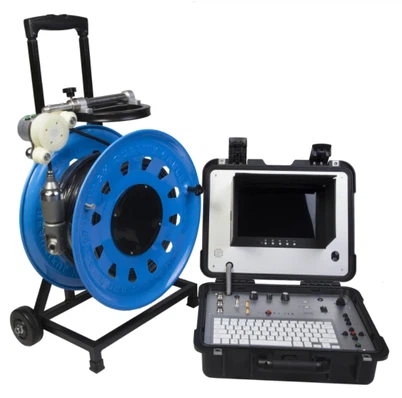
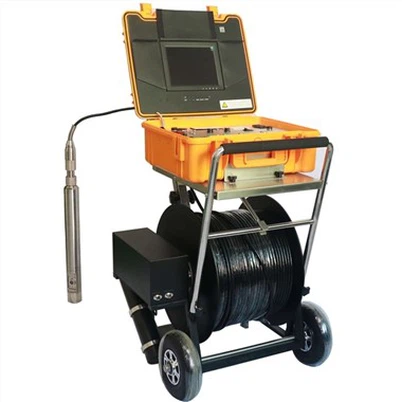
We also offer a range of other accessories for our ROVs, such as high-quality cameras. For example, we have the Borehole Inspection Camera 200 Meters, which is perfect for inspecting boreholes at relatively shallow depths. It provides clear and detailed images, allowing operators to detect any issues or anomalies.


Our Water Pipe Inspection Camera is another popular option. It's designed to be flexible and easy to maneuver, making it ideal for inspecting water pipes. It can detect leaks, blockages, and other problems, helping to ensure the efficient operation of water systems.
For deeper applications, we have the Oil Gas Borehole Camera For 5000m. This camera is built to withstand high pressures and harsh environments, making it suitable for use in the oil and gas industry. It provides high-resolution images, allowing operators to monitor the condition of boreholes at great depths.
If you're in the market for an ROV or interested in adding a manipulator to your existing ROV, I'd love to talk to you. We have a team of experts who can help you choose the right equipment for your specific needs. We can also provide training and support to ensure that you get the most out of your ROV.
In conclusion, an ROV robot can definitely be equipped with manipulators, and it often makes a lot of sense to do so. The added functionality and versatility that manipulators provide can open up a whole new world of possibilities for ROV operations. Whether you're in the oil and gas industry, marine research, or underwater archaeology, an ROV with a manipulator can be a valuable asset. So, if you're looking to take your underwater operations to the next level, consider adding a manipulator to your ROV.
References
- Johnson, R. (2020). Underwater Robotics: Technology and Applications. Springer.
- Smith, A. (2019). Advancements in ROV Manipulators. Journal of Underwater Technology.