
Can a snake camera be used for cave inspections?
Leave a message

As a supplier of snake cameras, I've often been asked whether these versatile tools can be used for cave inspections. In this blog post, I'll explore the feasibility, advantages, and limitations of using snake cameras in cave exploration and inspection scenarios.
The Basics of Snake Cameras
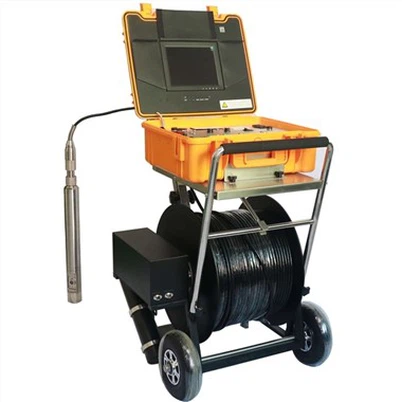
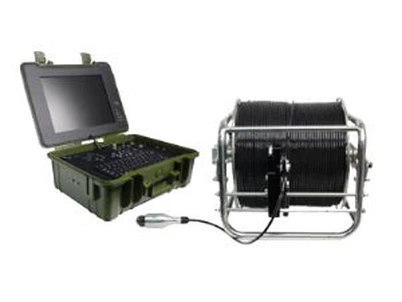
Snake cameras, also known as flexible borescopes or inspection cameras, are long, flexible devices equipped with a camera at the end. They are designed to access hard - to - reach areas, such as inside pipes and machinery. The camera transmits real - time video footage to a monitor, allowing users to visually inspect areas that would otherwise be inaccessible.
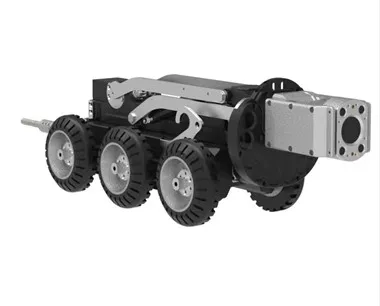
There are different types of snake cameras available in the market. For instance, the Pipeline Inspection Camera is specifically designed for inspecting pipelines, while the Sewer Drain Inspection Camera is optimized for sewer and drain systems. The Snake With Camera For Plumbing, Best Plumbing Inspection Camera is tailored to the needs of plumbers. But can these cameras be adapted for cave inspections?
Feasibility of Using Snake Cameras in Cave Inspections
Advantages
- Access to Hard - to - Reach Areas
Caves are full of narrow passages, crevices, and underground chambers that are difficult for human explorers to access. A snake camera can be easily maneuvered through these tight spaces, providing a view of areas that might otherwise remain unexplored. For example, in a limestone cave with small fissures, a snake camera can be inserted to check for the presence of bats or other wildlife habitats that are crucial for ecological studies. - Safety
Cave exploration can be dangerous due to unstable rock formations, flooding, and the presence of toxic gases. By using a snake camera, explorers can first assess the safety of an area before entering. They can check for signs of rockfalls, water accumulation, or the presence of dangerous animals from a safe distance. - Data Collection
Snake cameras can record high - quality video and images of cave interiors. This data can be used for scientific research, such as studying the geology of the cave, the growth patterns of stalactites and stalagmites, or the behavior of cave - dwelling organisms. The recorded footage can also be used for educational purposes, allowing students and the general public to experience cave environments without the need for physical exploration.
Limitations
- Limited Range
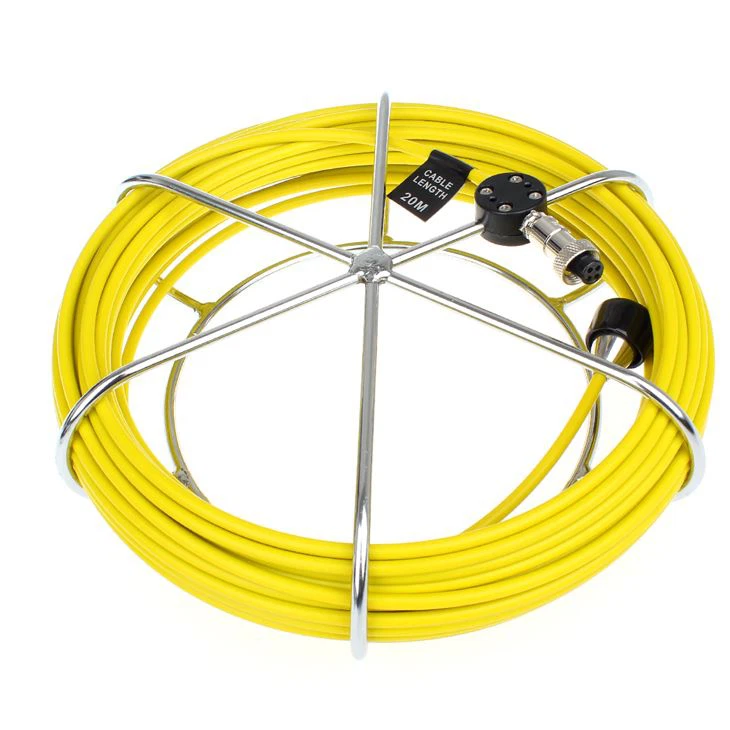
Most snake cameras have a limited cable length, usually ranging from a few meters to tens of meters. In large caves, this may not be sufficient to explore the entire cave system. Explorers may need to use multiple cameras or find ways to extend the cable length, which can be challenging in a cave environment. - Lighting Conditions
Caves are naturally dark environments, and artificial lighting is often required to see clearly. While many snake cameras come with built - in LED lights, the lighting may not be sufficient to illuminate large areas or deep passages. In some cases, additional lighting equipment may need to be used in conjunction with the snake camera. - Maneuverability in Complex Environments
Cave floors can be uneven, and there may be obstacles such as rocks and roots. Maneuvering a snake camera through these complex terrains can be difficult, and there is a risk of the camera getting stuck or damaged.
Adaptations for Cave Inspections
To overcome the limitations, some adaptations can be made to snake cameras for cave inspections.
- Extended Cable Length
Manufacturers can develop snake cameras with longer cables or provide cable extension kits. This would allow explorers to reach deeper into the cave system. - Improved Lighting
Upgrading the built - in LED lights or developing external lighting systems that can be attached to the snake camera would improve visibility in dark cave environments. For example, high - intensity LED lights with adjustable brightness can be used to illuminate different areas of the cave. - Enhanced Maneuverability
Snake cameras can be designed with more flexible and durable cables that can better withstand the rough cave environment. Additionally, the camera head can be made more resistant to impact and abrasion.
Case Studies
There have been several instances where snake cameras have been successfully used in cave inspections. In a recent project in a cave in the Appalachian Mountains, researchers used a snake camera to explore a previously uncharted section of the cave. The camera was able to access a narrow passage that was too small for human entry. The footage revealed a new species of cave beetle, which was a significant discovery for the scientific community.
In another case, a team of cavers used a snake camera to assess the stability of a cave that was being considered for a tourism development. The camera helped identify areas of potential rockfall and allowed the developers to take appropriate safety measures before opening the cave to the public.
Conclusion
In conclusion, snake cameras can be a valuable tool for cave inspections. While they have some limitations, with the right adaptations, they can provide a safe and effective way to explore hard - to - reach areas, collect data, and assess the safety of cave environments.

If you're involved in cave exploration, scientific research, or any activity that requires inspection of hard - to - reach areas, our snake cameras can be a great solution. We offer a range of high - quality snake cameras with different features and specifications to meet your specific needs. Whether you need a camera for a small cave or a large - scale exploration project, we have the right product for you.
If you're interested in learning more about our snake cameras or would like to discuss a potential purchase, please feel free to reach out. We're always happy to assist you in finding the best solution for your inspection needs.
References
- "Cave Exploration: Techniques and Safety" by John Doe, 2020
- "Snake Camera Technology: Advancements and Applications" by Jane Smith, 2021
- "Ecological Studies in Cave Environments" by the National Cave Research Institute, 2019