
Can a sewer camera be used to inspect sewer lines in historic buildings?
Leave a message

Can a sewer camera be used to inspect sewer lines in historic buildings?
Historic buildings hold a unique charm and cultural significance, often representing the heritage and architectural prowess of a bygone era. However, beneath their beautiful facades, the sewer lines in these structures can pose a significant challenge. Over time, these pipes can deteriorate, leading to blockages, leaks, and other issues that require careful inspection and maintenance. As a sewer camera supplier, I am frequently asked whether our cameras can be effectively used to inspect sewer lines in historic buildings. In this blog post, I will explore this question in detail, discussing the benefits, challenges, and considerations associated with using sewer cameras in such settings.
Benefits of Using Sewer Cameras in Historic Buildings
One of the primary advantages of using sewer cameras for inspecting sewer lines in historic buildings is the non - invasive nature of the inspection process. Traditional methods of sewer line inspection, such as excavation, can cause significant damage to the building's foundation, landscaping, and historical features. Sewer cameras, on the other hand, can be inserted into the sewer lines through existing access points, such as cleanouts or manholes. This allows for a thorough inspection of the pipes without the need for extensive digging or disruption to the building's structure.
Another benefit is the high level of detail that sewer cameras can provide. Modern sewer cameras are equipped with high - resolution lenses and powerful lighting systems, which can capture clear images and videos of the inside of the pipes. This enables plumbers and building managers to identify a wide range of issues, including cracks, root intrusions, blockages, and corrosion. By having a detailed visual record of the sewer lines, appropriate repair and maintenance strategies can be developed, ensuring the long - term integrity of the plumbing system.


Sewer cameras also offer real - time monitoring capabilities. As the camera is inserted into the pipes, the operator can view the live feed on a monitor, allowing for immediate identification of problems. This real - time feedback can be invaluable in making on - the - spot decisions about the best course of action, potentially saving time and money in the repair process.
Challenges of Using Sewer Cameras in Historic Buildings
While sewer cameras offer many benefits, there are also some challenges associated with using them in historic buildings. One of the main challenges is the age and condition of the sewer lines. Historic buildings often have older pipes, which may be made of materials such as clay, cast iron, or lead. These materials can be more brittle and prone to damage than modern pipes, and the camera equipment must be carefully maneuvered to avoid causing any additional harm.
Another challenge is the layout of the sewer system in historic buildings. The pipes in these structures may have unique configurations, such as tight bends, irregular diameters, or multiple branches. These complex layouts can make it difficult for the camera to navigate through the pipes, and specialized camera equipment may be required to ensure a comprehensive inspection.
In addition, the presence of historical debris or sediment in the sewer lines can also pose a challenge. Over the years, these pipes may have accumulated dirt, rocks, and other debris, which can obstruct the camera's view or cause the camera to get stuck. Specialized cleaning procedures may need to be carried out before the inspection to ensure that the camera can operate effectively.
Considerations for Using Sewer Cameras in Historic Buildings
Before using a sewer camera to inspect the sewer lines in a historic building, several considerations should be taken into account. Firstly, it is important to consult with a professional plumber or engineer who has experience working with historic buildings. They can provide valuable insights into the specific characteristics of the building's sewer system and recommend the most appropriate camera equipment and inspection techniques.
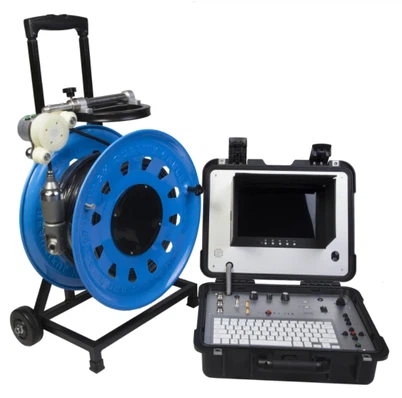
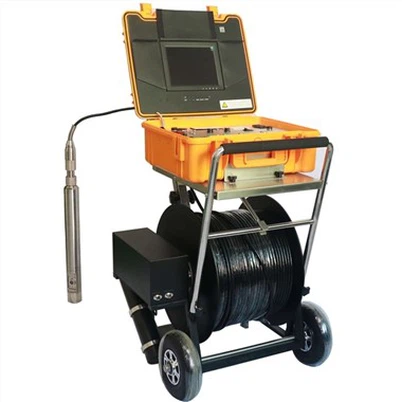
Secondly, the camera equipment should be carefully selected based on the specific requirements of the inspection. For example, if the pipes have tight bends or small diameters, a camera with a flexible cable and a small - diameter camera head may be required. Borehole Water Well Camera and Borehole Deep Water Inspection Camera are examples of specialized cameras that may be suitable for more challenging inspections.
It is also important to ensure that the camera equipment is properly maintained and calibrated before use. This will help to ensure accurate and reliable results and prevent any damage to the pipes during the inspection.
Finally, it is crucial to obtain any necessary permits or approvals before conducting the inspection. Many historic buildings are subject to strict preservation regulations, and permission may be required from local historical societies or preservation boards.
Conclusion
In conclusion, sewer cameras can be a valuable tool for inspecting sewer lines in historic buildings. They offer a non - invasive, detailed, and real - time method of assessing the condition of the pipes, which can help to identify and address potential problems before they become major issues. However, using sewer cameras in historic buildings also presents some challenges, such as the age and condition of the pipes, the complex layout of the sewer system, and the presence of historical debris. By taking these challenges into account and following the appropriate considerations, a successful inspection can be carried out without causing damage to the building's historical features.
If you are responsible for the maintenance of a historic building and are considering using a sewer camera to inspect your sewer lines, I encourage you to contact us. As a leading sewer camera supplier, we have a wide range of high - quality camera equipment and experienced professionals who can provide you with the best solutions for your specific needs. We are committed to helping you preserve the integrity of your historic building's plumbing system while minimizing disruption to its historical charm.
References
- ASCE (American Society of Civil Engineers). "Guidelines for the Inspection and Assessment of Existing Sewer Systems."
- Historic Preservation Society. "Best Practices for Maintenance of Historic Building Plumbing."