
Can a pipe camera be used in cryogenic pipes?
Leave a message

Can a pipe camera be used in cryogenic pipes? This is a question that many in the industrial and engineering sectors often ponder. As a reputable pipe camera supplier, we have delved deep into this topic to provide you with comprehensive insights.
Understanding Cryogenic Pipes
Cryogenic pipes are designed to transport extremely cold fluids, typically at temperatures below -150°C. These pipes are commonly used in industries such as liquefied natural gas (LNG) production, medical gas storage, and scientific research. The materials used in cryogenic pipes are carefully selected to withstand the extreme cold and prevent brittleness, which could lead to cracks and leaks. Stainless steel and certain types of alloys are often used due to their low thermal conductivity and high strength at low temperatures.
Challenges of Using Pipe Cameras in Cryogenic Environments
Using a pipe camera in cryogenic pipes presents several challenges. Firstly, the extreme cold can affect the performance of the camera's components. Electronic parts, such as sensors and circuits, may experience reduced functionality or even failure at low temperatures. The camera lens can fog up or frost over, obstructing the view. Additionally, the cables and connectors used to transmit the video signal may become brittle and prone to breakage in the cold environment.
Another challenge is the potential for thermal shock. When a pipe camera is inserted into a cryogenic pipe, the sudden temperature change can cause damage to the camera. The materials in the camera may contract at different rates, leading to internal stress and possible structural damage.

Our Pipe Camera Solutions for Cryogenic Pipes
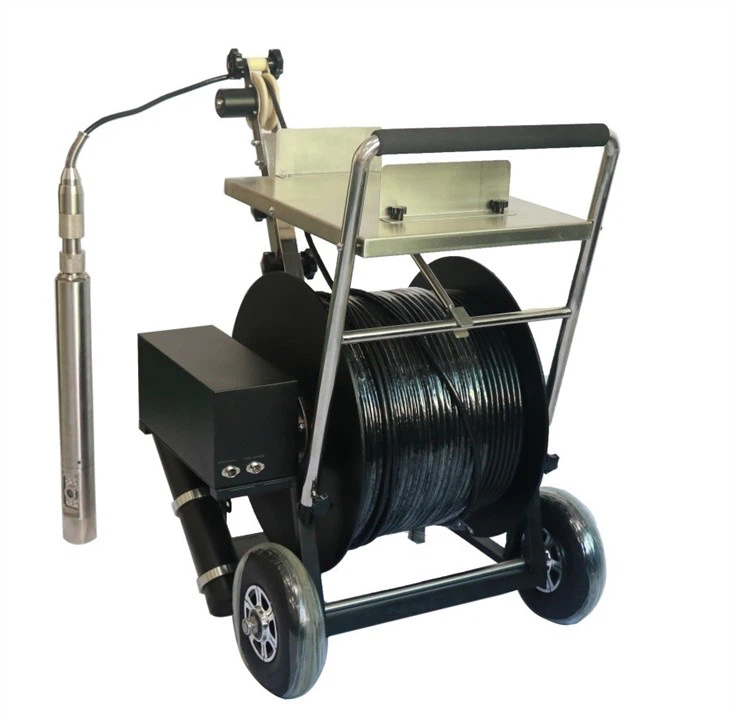
Despite these challenges, our company has developed pipe cameras that are specifically designed to operate in cryogenic environments. Our cameras are equipped with high - quality sensors that are engineered to function reliably at low temperatures. We use special coatings on the camera lens to prevent fogging and frosting, ensuring a clear view inside the pipe.
The cables and connectors used in our pipe cameras are made from materials that remain flexible and durable in cold conditions. They are designed to withstand the thermal shock associated with sudden temperature changes. Our cameras also feature advanced insulation to protect the internal components from the extreme cold.
Case Studies
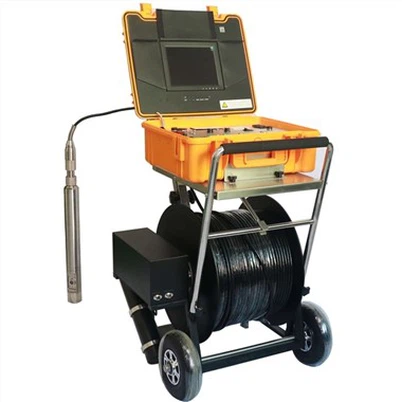
We have had the opportunity to work on several projects involving cryogenic pipes. In one project for an LNG production facility, our Borehole Deep Water Inspection Camera was used to inspect the interior of a cryogenic transfer pipe. The camera was able to provide clear and detailed images of the pipe's interior, allowing the maintenance team to detect and address potential issues such as corrosion and cracks.
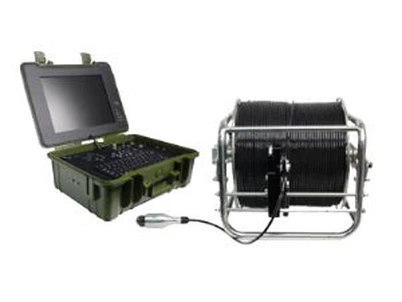
In another case, our Underwater dual view borescope inspection camera was employed in a medical gas storage facility. The camera was inserted into a cryogenic storage pipe to check for any signs of damage or blockages. The high - resolution video feed provided by the camera enabled the technicians to make informed decisions about the pipe's condition and perform necessary repairs.
Advantages of Using Our Pipe Cameras in Cryogenic Pipes
There are several advantages to using our pipe cameras in cryogenic pipes. Firstly, they provide a non - destructive way to inspect the interior of the pipes. This means that there is no need to cut open the pipes for inspection, saving time and money on repairs. Our cameras can detect issues such as cracks, corrosion, and blockages early, allowing for proactive maintenance and preventing costly breakdowns.
Secondly, our pipe cameras offer real - time video monitoring. This allows the inspection team to immediately assess the condition of the pipe and make decisions on the spot. The high - resolution images and videos captured by our cameras can be stored for future reference and analysis.
Technical Specifications
Our pipe cameras for cryogenic pipes have the following technical specifications:
- Operating temperature range: - 196°C to +50°C
- Camera resolution: Up to 1080p
- Lens field of view: 120° to 180°
- Cable length: Up to 50 meters
- Video transmission: Digital signal for clear and stable image quality
Training and Support
We understand that using a pipe camera in a cryogenic environment requires specialized knowledge and skills. That's why we offer comprehensive training to our customers. Our training programs cover camera operation, maintenance, and safety procedures in cryogenic environments.
In addition to training, we provide excellent customer support. Our technical team is available 24/7 to answer any questions and provide assistance in case of any issues with the camera.
Conclusion
In conclusion, a pipe camera can indeed be used in cryogenic pipes, provided that it is specifically designed for such an environment. Our company, as a leading pipe camera supplier, offers high - quality, reliable pipe cameras that are capable of operating in the extreme cold. Our solutions have been proven in real - world applications, providing clear and detailed inspections of cryogenic pipes.
If you are in need of a pipe camera for your cryogenic pipe inspection needs, we invite you to contact us for a consultation. Our team of experts will be happy to discuss your requirements and provide you with the best solution for your project. We look forward to the opportunity to work with you and help you ensure the safety and efficiency of your cryogenic pipe systems.
References
- "Cryogenic Engineering Handbook" by E. W. Collins
- "Materials for Cryogenic Applications" by R. P. Reed
- Industry reports on cryogenic pipe inspection technologies