
Can a pipe camera be used for chemical pipe inspection?
Leave a message

Can a pipe camera be used for chemical pipe inspection? This is a question that often comes up in the industrial and engineering sectors. As a pipe camera supplier, I've had numerous discussions with clients about the feasibility and effectiveness of using our pipe cameras for chemical pipe inspections. In this blog, I'll delve into the details of this topic, exploring the potential, limitations, and best practices of using pipe cameras in chemical pipe inspection scenarios.
The Basics of Pipe Cameras
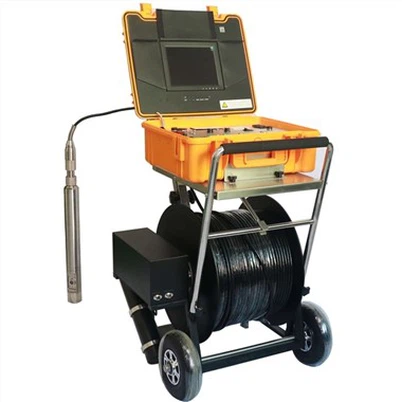
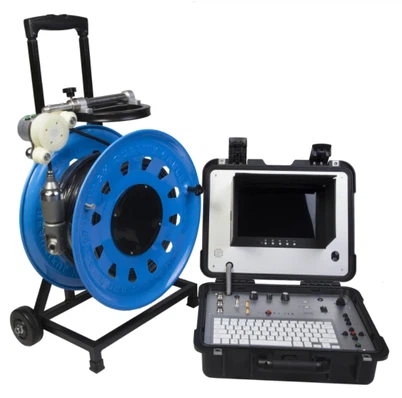
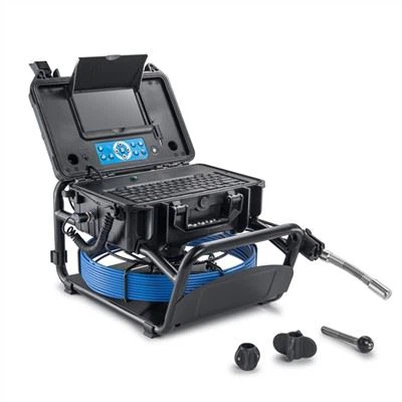
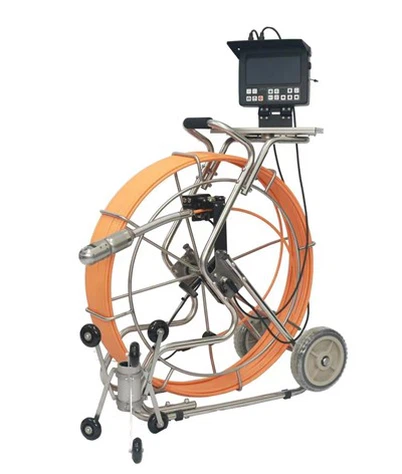
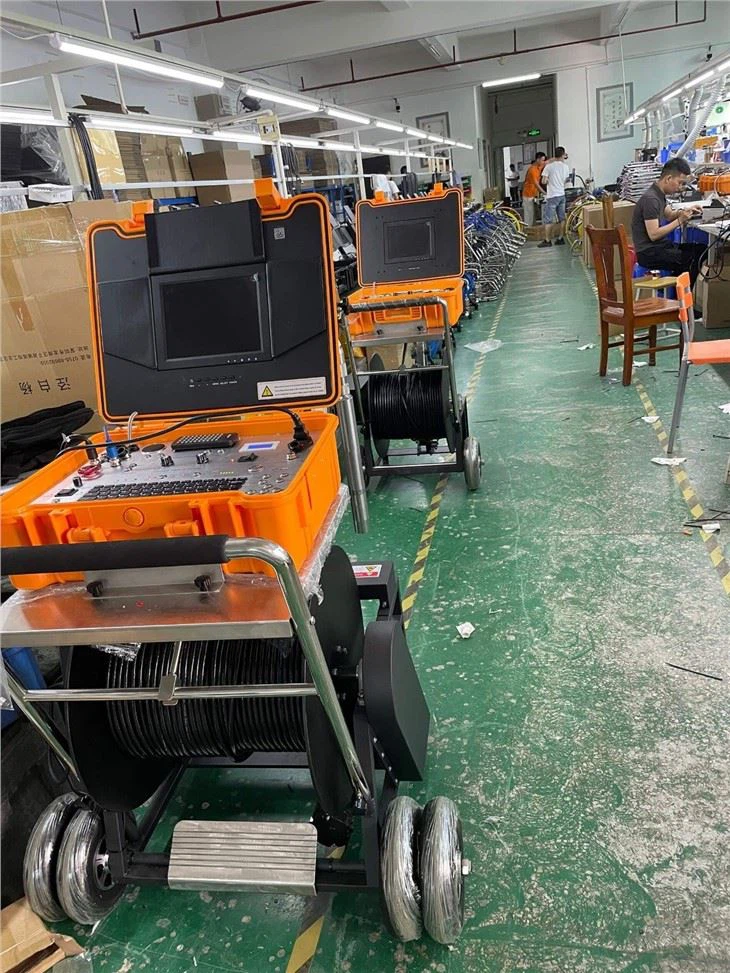
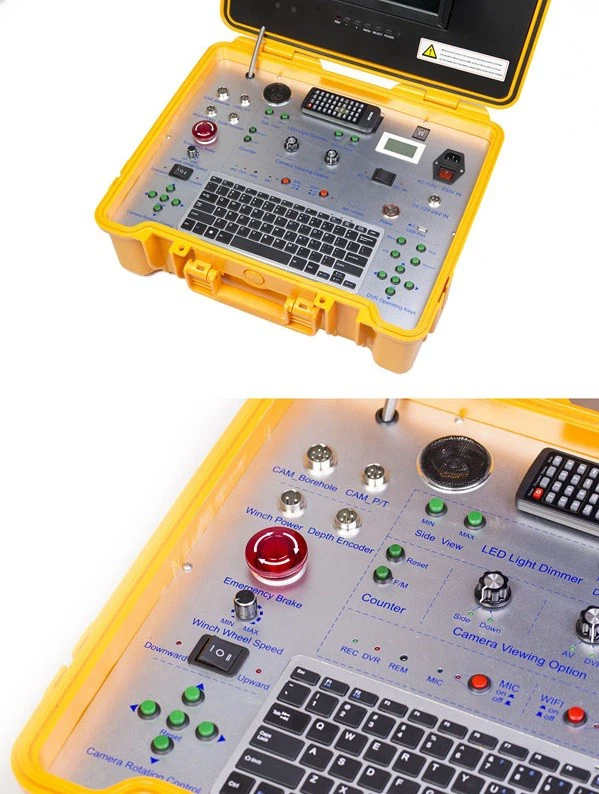
Before we discuss their application in chemical pipe inspection, let's first understand what pipe cameras are. Pipe cameras are specialized devices designed to provide visual inspection inside pipes, tubes, and other enclosed spaces. They typically consist of a camera head attached to a flexible cable, which can be inserted into the pipe. The camera captures real - time images and videos, which are then transmitted to a monitor for operators to view.
Our company offers a range of pipe cameras, including the Flexible Cable Industrial Borehole Camera and the Borehole Deep Water Inspection Camera. These cameras are equipped with high - resolution lenses, powerful lighting systems, and durable cables, making them suitable for a variety of inspection tasks.
The Potential of Pipe Cameras in Chemical Pipe Inspection
One of the main advantages of using pipe cameras in chemical pipe inspection is the ability to conduct non - invasive inspections. Chemical pipes often carry hazardous substances, and accessing them for direct inspection can be dangerous and time - consuming. Pipe cameras allow inspectors to visually assess the condition of the pipes from the outside, without the need to open the pipes or disrupt the flow of chemicals.
For example, pipe cameras can detect corrosion, cracks, and blockages inside chemical pipes. Corrosion is a common problem in chemical pipes, as the chemicals they carry can be highly corrosive. By using a pipe camera, inspectors can identify areas of corrosion early on, allowing for timely repairs or replacements. Cracks in the pipes can also lead to leaks, which can be extremely dangerous in a chemical environment. A pipe camera can help locate these cracks, enabling prompt action to prevent further damage.
In addition, pipe cameras can be used to inspect the interior of pipes during the installation process. This ensures that the pipes are properly installed, free from defects, and meet the required standards. By using a Borewell Inspection Camera, installers can verify the alignment, connection, and integrity of the pipes, reducing the risk of future problems.
Limitations of Pipe Cameras in Chemical Pipe Inspection
While pipe cameras offer many benefits, they also have some limitations when it comes to chemical pipe inspection. One of the main challenges is the harsh chemical environment. Chemicals can be corrosive, abrasive, or reactive, which can damage the camera equipment. The camera head, cable, and other components need to be made of materials that are resistant to the specific chemicals present in the pipes.
Another limitation is the presence of opaque or highly viscous chemicals. Pipe cameras rely on light to capture images, and if the chemicals inside the pipes are opaque or have a high viscosity, it can be difficult for the camera to obtain clear images. In such cases, additional techniques, such as flushing the pipes or using special lighting systems, may be required.
Furthermore, pipe cameras can only provide visual information. They cannot detect chemical properties or measure the concentration of chemicals inside the pipes. This means that additional testing methods, such as chemical analysis, may still be necessary to fully assess the condition of the pipes.
Best Practices for Using Pipe Cameras in Chemical Pipe Inspection
To overcome the limitations and ensure the effectiveness of pipe cameras in chemical pipe inspection, several best practices should be followed. First, it is crucial to select the right camera for the job. Consider the type of chemicals in the pipes, the diameter and length of the pipes, and the inspection requirements. Our team of experts can help you choose the most suitable pipe camera based on your specific needs.
Second, proper maintenance and calibration of the camera equipment are essential. Regularly clean the camera head and cable to prevent the build - up of chemicals and debris. Calibrate the camera to ensure accurate image capture and measurement.
Third, when using the pipe camera, take multiple images and videos from different angles and positions. This will provide a more comprehensive view of the pipes and increase the chances of detecting any potential problems.
Finally, combine the use of pipe cameras with other inspection methods. As mentioned earlier, visual inspection alone may not be sufficient. Chemical analysis, ultrasonic testing, and other techniques can provide additional information about the condition of the pipes.
Conclusion
In conclusion, pipe cameras can be a valuable tool for chemical pipe inspection. They offer non - invasive inspection capabilities, allowing for early detection of corrosion, cracks, and blockages. However, they also have limitations, such as the harsh chemical environment and the inability to detect chemical properties. By following best practices and combining pipe camera inspection with other methods, the effectiveness of chemical pipe inspection can be significantly improved.
If you are involved in chemical pipe inspection and are considering using pipe cameras, I encourage you to reach out to us. Our team of experts can provide you with detailed information about our products, offer technical support, and help you develop a comprehensive inspection plan. We are committed to providing high - quality pipe cameras and excellent customer service to meet your inspection needs. Contact us today to start the discussion and explore how our pipe cameras can benefit your chemical pipe inspection projects.
References
- "Non - Destructive Testing Techniques for Pipeline Inspection" by XYZ Publishing
- "Corrosion Prevention and Control in Chemical Pipes" by ABC Institute
- "Advances in Pipe Inspection Technology" by DEF Journal