
Are ROV robots eco - friendly?
Leave a message

Are ROV Robots Eco-friendly?
In recent years, remotely operated vehicles (ROVs) have become an indispensable tool in a variety of industries, from marine research to offshore oil and gas exploration. As a supplier of ROV robots, I often get asked about the environmental impact of these devices. Are ROVs eco-friendly? This question requires a closer examination of the technology, its applications, and its potential effects on the environment.
Understanding ROVs
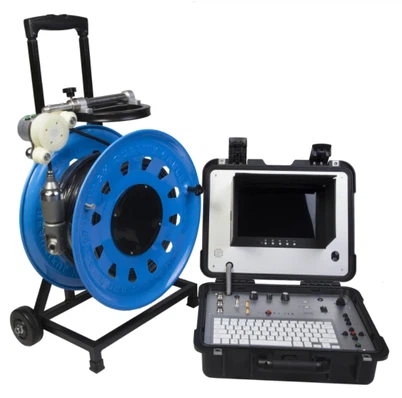
ROVs are unoccupied, highly maneuverable underwater robots operated by a crew onshore or aboard a surface vessel. They are equipped with various sensors, cameras, and sometimes manipulator arms, allowing them to perform tasks in underwater environments that are difficult or dangerous for humans to reach. Our company offers a range of ROVs, including the 100m Water Pipe Inspection Camera Pan Tilt Drilling Pipelines Camera, the Borehole Inspection Camera 200 Meters, and the Oil Well Downhole Inspection Camera, each designed for specific inspection and monitoring purposes.
Positive Environmental Impacts
Reducing Human Intervention
One of the most significant environmental benefits of ROVs is their ability to reduce the need for human divers in underwater operations. Diving operations often require the use of support vessels, which consume fuel and can contribute to air and water pollution. In contrast, ROVs can be deployed from a smaller vessel or even from the shore, reducing the overall carbon footprint of the operation. Additionally, ROVs can operate in harsh and dangerous conditions, such as deep - sea environments or areas with high levels of pollution, without putting human lives at risk.
Precision and Efficiency
ROVs are highly precise in their operations. For example, in pipeline inspection, they can accurately detect leaks and damages, allowing for targeted repairs. This precision reduces the amount of material and energy required for maintenance. Instead of replacing entire sections of a pipeline based on rough estimates, operators can use ROV - collected data to repair only the affected areas. This not only saves resources but also minimizes the disruption to the surrounding environment.
Scientific Research
In the field of marine science, ROVs are invaluable tools for studying underwater ecosystems. They can be equipped with advanced sensors to collect data on water quality, temperature, salinity, and the presence of various organisms. This data is crucial for understanding the health of marine ecosystems, tracking the impacts of climate change, and developing conservation strategies. By providing a non - invasive way to study underwater life, ROVs help researchers gather information without disturbing the natural habitat.
Negative Environmental Impacts
Energy Consumption
Like all electrical devices, ROVs require energy to operate. The power sources for ROVs can range from onboard batteries to surface - supplied power through umbilical cables. While modern ROVs are becoming more energy - efficient, the overall energy consumption can still be significant, especially for large - scale or long - duration operations. If the energy used to power ROVs comes from non - renewable sources, such as fossil fuels, it can contribute to greenhouse gas emissions and environmental degradation.
Physical Impact on the Environment
During their operations, ROVs can have a physical impact on the underwater environment. The movement of the ROV and its thrusters can stir up sediment, which can affect the visibility in the water and disrupt the habitats of benthic organisms. In addition, if the ROV is not properly maintained, it can leak small amounts of lubricants or other chemicals into the water, which can be harmful to marine life.
Mitigating the Negative Impacts
As an ROV supplier, we are committed to minimizing the negative environmental impacts of our products. In terms of energy consumption, we are constantly researching and developing more energy - efficient ROV models. For example, we are exploring the use of advanced battery technologies and power management systems to reduce the power requirements of our ROVs.
To address the physical impact on the environment, we provide training to our customers on proper ROV operation techniques. This includes minimizing unnecessary movements and avoiding sensitive areas. We also work with researchers to better understand the long - term effects of ROV operations on the environment and to develop best practices for minimizing these effects.
Conclusion
So, are ROV robots eco - friendly? The answer is not a simple yes or no. While ROVs offer many environmental benefits, such as reducing human intervention, increasing precision, and aiding in scientific research, they also have some negative impacts, such as energy consumption and physical disruption to the environment. However, with continuous technological advancements and proper management, the negative impacts can be mitigated, and ROVs can play an important role in promoting environmental sustainability.
If you are interested in learning more about our ROV products or have any questions regarding their environmental impact, we welcome you to contact us for a procurement discussion. Our team of experts will be happy to provide you with detailed information and solutions tailored to your specific needs.


References
- "The Role of ROVs in Offshore Oil and Gas Industry: A Review", Journal of Marine Engineering and Technology.
- "Underwater Robotics: Technology and Applications", Proceedings of the International Symposium on Underwater Technology.
- "Environmental Impacts of Underwater Vehicle Operations", Marine Environmental Research Journal.