
What safety precautions should I take when using a sewer camera?
Leave a message

When it comes to using a sewer camera, safety should always be your top priority. As a sewer camera supplier, I've seen firsthand the importance of taking the right precautions to ensure a safe and successful inspection. In this blog, I'll share some essential safety tips that you should keep in mind when using a sewer camera.
Pre - inspection Safety Checks
Before you even start using the sewer camera, there are several crucial pre - inspection safety checks you need to perform.
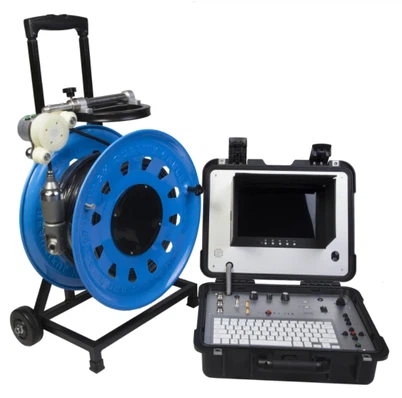
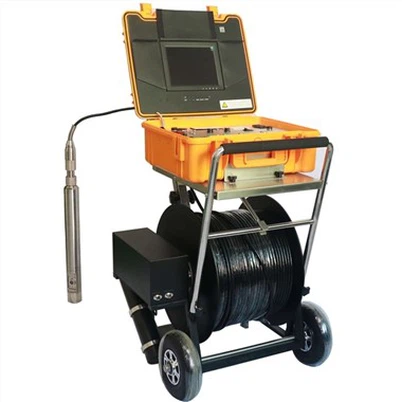
First off, examine the camera equipment thoroughly. Check the cable for any signs of damage like cuts, frays, or exposed wires. A damaged cable can not only affect the camera's performance but also pose an electrical hazard. If you notice any issues, don't use the camera until the cable is repaired or replaced.
Inspect the camera head as well. Make sure the lens is clean and free from cracks. A cracked lens can distort the image and might also let water in, which could damage the internal components of the camera.
Next, look at the control unit. Ensure that all the buttons are working properly and that there are no loose connections. The control unit is where you'll operate the camera, so it needs to be in good working condition.
Personal Protective Equipment (PPE)
Wearing the right PPE is a must when using a sewer camera. Here's what you should have on:
Gloves: Sewer systems can be filled with all sorts of contaminants, including bacteria, chemicals, and sharp objects. Wearing heavy - duty gloves will protect your hands from cuts, abrasions, and exposure to harmful substances.
Safety Boots: You'll likely be standing in wet and dirty conditions, so waterproof safety boots are essential. They'll keep your feet dry and protect them from sharp objects that might be in the sewer.
Eye Protection: Debris can splash up when you're inserting the camera into the sewer. Safety goggles or a face shield will protect your eyes from any flying particles.
Respirator: Sewer systems can produce toxic gases like methane, hydrogen sulfide, and carbon monoxide. A respirator with the appropriate filters will help you breathe clean air and prevent you from inhaling these dangerous gases.


Working Environment Safety
The environment where you're using the sewer camera can be full of potential hazards. Here's how to stay safe:
Ventilation: Make sure the area is well - ventilated. Open manhole covers slowly and let the area air out for a while before starting the inspection. If possible, use fans to increase air circulation. This will help reduce the concentration of toxic gases.
Traffic Safety: If you're working near a road or a busy area, you need to take traffic safety seriously. Set up traffic cones and warning signs to alert drivers and pedestrians. Wear high - visibility clothing so that you're easily visible.
Stability: When setting up the camera equipment, ensure that it's stable. A wobbly setup can cause the camera to fall or get damaged. If you're using a tripod, make sure it's on a flat and firm surface.
Electrical Safety
Since sewer cameras are electrical devices, electrical safety is of utmost importance.
Ground Fault Circuit Interrupter (GFCI): Always use a GFCI - protected outlet when powering your camera equipment. A GFCI will automatically shut off the power if it detects a ground fault, preventing electrical shock.
Avoid Water Contact: Keep the electrical components of the camera, including the cable and the control unit, away from water as much as possible. If they do get wet, dry them thoroughly before using them again.
Camera Operation Safety
When operating the sewer camera, follow these safety rules:
Insertion and Retrieval: Insert the camera slowly and carefully into the sewer. Avoid forcing it through tight spaces as this can damage the camera or the sewer pipes. When retrieving the camera, do it at a steady pace to prevent the cable from getting tangled.
Avoid Overloading: Don't try to push the camera beyond its limits. Each sewer camera has a maximum depth and bend radius that it can handle. Exceeding these limits can damage the camera.
Monitoring the Image: Keep a close eye on the image on the control unit. If you notice any sudden changes in the image, such as a loss of signal or a distorted view, stop the operation immediately and check the equipment.
Post - inspection Safety
Once you're done with the inspection, there are still some safety steps to take:
Cleaning the Equipment: Clean the camera, cable, and control unit thoroughly. Use a mild detergent and water to remove any dirt, debris, or contaminants. This will not only keep the equipment in good condition but also prevent the spread of bacteria.
Storage: Store the camera equipment in a dry and secure place. Make sure the cable is coiled properly and that the control unit is protected from dust and moisture.
Using Specialized Cameras
If you're dealing with more complex inspection scenarios, you might need specialized cameras. For example, the Borehole Inspection Camera is great for inspecting boreholes. It can handle the unique conditions of deep holes and provide clear images.
The Underwater dual view borescope inspection camera is another useful tool. It offers a dual - view feature, which can be very helpful when you need to get a comprehensive view of an underwater or confined space.
And if you're working on borewell inspections, the Borewell Inspection Camera is a great choice. It's designed to handle the specific challenges of borewells.
Conclusion
Using a sewer camera can be a great way to inspect sewer systems, but it comes with its own set of risks. By following these safety precautions, you can minimize those risks and ensure a safe and successful inspection.
If you're in the market for a high - quality sewer camera or any of the specialized cameras I mentioned, we're here to help. We're a leading sewer camera supplier, and we offer a wide range of products to meet your needs. Whether you're a professional plumber, a sewer maintenance crew, or someone doing a DIY inspection, we've got the right camera for you.
If you're interested in learning more about our products or have any questions, don't hesitate to reach out. We'd love to have a chat with you and help you find the perfect camera for your project.
References
- General safety guidelines for working in confined spaces.
- Electrical safety standards for industrial equipment.
- Best practices for sewer system inspections.