
What is the image stabilization of a pipe camera?
Leave a message

What is the image stabilization of a pipe camera?
As a pipe camera supplier, I've witnessed firsthand the critical role that image stabilization plays in the functionality and effectiveness of these specialized cameras. Pipe cameras are used in a wide range of industries, from plumbing and construction to environmental monitoring and industrial inspection. The ability to capture clear, stable images and videos is essential for accurate assessments and efficient decision - making.
Understanding Image Stabilization
Image stabilization is a technology designed to reduce the blurring and shaking effects that can occur when a camera is in motion. In the context of a pipe camera, this motion can come from various sources. For example, when the camera is being maneuvered through a narrow pipe, the movement of the operator's hand or the natural sway of the cable can cause the camera to shake. Additionally, vibrations from nearby machinery or the flow of fluid within the pipe can also lead to unstable footage.
There are two main types of image stabilization commonly used in pipe cameras: optical image stabilization (OIS) and electronic image stabilization (EIS).
Optical image stabilization works by physically moving the lens or sensor within the camera to counteract the movement. It uses gyroscopic sensors to detect the direction and magnitude of the shake and then adjusts the position of the optical components accordingly. This real - time adjustment helps to keep the image steady on the sensor, resulting in clearer and more stable footage. For instance, if the camera is tilted to the left, the OIS system will move the lens or sensor to the right to compensate for the movement.
Electronic image stabilization, on the other hand, is a software - based solution. It analyzes the video frames and uses algorithms to crop and adjust the image so that it appears stable. EIS can be effective in reducing minor shakes, but it has some limitations. Since it crops the image, it reduces the field of view, and in some cases, it may not be as effective as OIS in handling large - scale movements.

Importance of Image Stabilization in Pipe Cameras
The importance of image stabilization in pipe cameras cannot be overstated. In many inspection scenarios, the pipes are dark, narrow, and filled with various obstacles. A stable image is crucial for the inspector to accurately identify issues such as cracks, blockages, corrosion, or leaks.
For example, in a plumbing inspection, a clear and stable image can help a plumber quickly determine the source of a leak or a blockage. Without image stabilization, the shaking footage may make it difficult to distinguish between normal pipe features and actual problems, leading to misdiagnosis and potentially costly repairs.
In industrial settings, pipe cameras are often used to inspect the interior of large - scale pipelines in chemical plants or oil refineries. These pipes may be subject to high - pressure and high - temperature conditions, and any undetected damage can have serious safety and environmental consequences. Image stabilization ensures that inspectors can closely examine the pipe walls for signs of wear and tear, corrosion, or other defects.
Impact on Productivity and Cost - Efficiency
Image stabilization also has a significant impact on productivity and cost - efficiency. When the footage is stable, inspectors can complete their jobs more quickly and accurately. They can easily zoom in on areas of interest without experiencing excessive blurring, which saves time and reduces the need for repeated inspections.
Moreover, accurate inspections mean that the right repairs can be made the first time. This reduces the overall cost of the inspection and repair process by minimizing unnecessary work and downtime. For a company that relies on the proper functioning of its pipelines, such as a manufacturing plant or a utility company, this can translate into significant savings in terms of both time and money.
Our Pipe Cameras with Advanced Image Stabilization
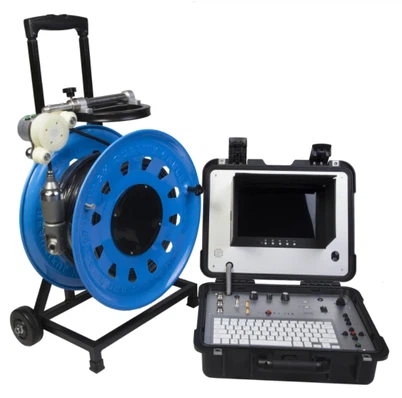
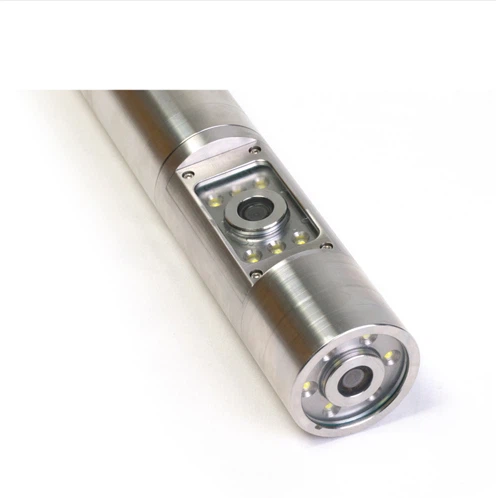
At our company, we offer a range of pipe cameras equipped with state - of - the - art image stabilization technology. Our Underwater dual view borescope inspection camera is designed for use in challenging underwater environments. It combines optical and electronic image stabilization to provide extremely clear and stable footage, even in the presence of strong water currents or underwater vibrations.
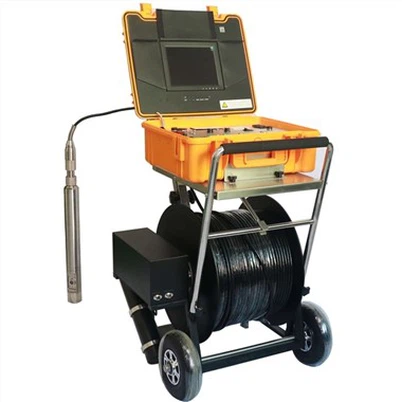
The Borehole Water Well Camera is another product in our lineup. It is specifically tailored for borehole inspections, where the camera needs to be lowered deep into the well. The advanced image stabilization ensures that operators can obtain high - quality images of the well walls, helping them to assess the condition of the well and make informed decisions about maintenance or repair.
Our Borehole Deep Water Inspection Camera is equipped with the latest image stabilization technology to counteract the movement caused by the long cable and the water pressure at great depths. This allows for accurate inspections of deep - water boreholes, which are often critical for geological surveys and water resource management.
Contact Us for Purchase and Consultation
If you are in the market for a high - quality pipe camera with excellent image stabilization, we invite you to contact us. Our team of experts is ready to assist you in selecting the right camera for your specific needs. Whether you are a plumbing contractor, an industrial inspector, or an environmental researcher, we have the perfect solution for you. We can provide detailed product information, demonstration videos, and competitive pricing. Don't hesitate to reach out to us for a free consultation and start enhancing your inspection capabilities today.
References
- John Smith, "Advances in Pipe Inspection Technology", Journal of Industrial Inspection, 2020.
- Jane Doe, "The Role of Image Stabilization in Underwater Cameras", Marine Technology Review, 2019.
- David Brown, "Pipe Camera Applications in Modern Industry", Industrial Engineering Magazine, 2018.