
What is the angle of view of a sewer camera?
Leave a message

What is the angle of view of a sewer camera?
As a supplier of sewer cameras, I often encounter questions from customers about the technical specifications of our products, and one of the most frequently asked questions is about the angle of view of a sewer camera. In this blog post, I'll delve into what the angle of view of a sewer camera means, why it's important, and how it can impact your inspection work.
Understanding the Angle of View
The angle of view of a sewer camera refers to the extent of the observable area in front of the camera lens. It is typically measured in degrees. A wider angle of view allows the camera to capture a larger area in a single frame, while a narrower angle provides a more focused, detailed view of a smaller area.
For example, a camera with a 90 - degree angle of view will cover a semi - circular area in front of the lens. If you increase the angle to 180 degrees, the camera can capture a full - circular view, which is extremely useful in sewer inspections as it can provide a comprehensive look at the interior of the pipe.
Importance of the Angle of View in Sewer Inspections
Comprehensive Coverage
In sewer inspections, the goal is to get a complete picture of the pipe's condition. A wide - angle camera can cover more of the pipe's circumference in one shot, reducing the need to re - position the camera multiple times. This not only saves time but also ensures that no areas are missed during the inspection. For instance, if you're inspecting a large - diameter sewer pipe, a camera with a wide angle of view can quickly scan the entire cross - section of the pipe, identifying any cracks, blockages, or other issues.
Efficiency
Time is of the essence in sewer inspections, especially when dealing with large - scale projects. A camera with a suitable angle of view can speed up the inspection process. Instead of spending a long time moving the camera around to cover all areas, a wide - angle camera can capture a large area at once. This efficiency can translate into cost savings for the inspection team and the client.
Identifying Hidden Issues
A wider angle of view can also help in identifying hidden issues that might be missed with a narrow - angle camera. For example, some defects might be located on the side walls of the pipe, and a wide - angle camera can easily spot them without the need for complex maneuvers.
Factors Affecting the Angle of View
Lens Design
The design of the camera lens plays a crucial role in determining the angle of view. Different types of lenses, such as fisheye lenses, can provide extremely wide angles of view, often up to 180 degrees or more. These lenses are commonly used in sewer cameras because they can capture a large area of the pipe interior.
Camera Resolution
The resolution of the camera can also affect the perceived angle of view. A high - resolution camera can capture more details within the angle of view, making it easier to identify small defects. However, if the resolution is too low, even a wide - angle view might not provide clear and useful information.
Distance from the Object
The distance between the camera and the object being inspected can impact the angle of view. As the camera moves closer to the pipe wall, the effective angle of view may change. For example, if the camera is very close to the wall, the area covered by the camera might be more focused on a small section of the wall, rather than the entire cross - section of the pipe.
Different Angles of View in Our Sewer Cameras
At our company, we offer a range of sewer cameras with different angles of view to meet the diverse needs of our customers.
Narrow - Angle Cameras
Our narrow - angle cameras, with an angle of view typically between 30 - 60 degrees, are ideal for detailed inspections of small areas. They are great for inspecting specific sections of a pipe where high - resolution, close - up views are required. For example, when inspecting a small crack or a joint in the pipe, a narrow - angle camera can provide a clear and detailed image.
Wide - Angle Cameras
We also have wide - angle cameras with angles of view ranging from 90 - 180 degrees. These cameras are perfect for quick and comprehensive inspections of large - diameter pipes. They can cover a large area of the pipe interior in one shot, making them highly efficient for large - scale projects.
Applications of Different Angle of View Cameras
Residential Sewer Inspections
In residential sewer inspections, a wide - angle camera is often the preferred choice. It can quickly scan the entire length of the sewer pipe, identifying any blockages, root intrusions, or pipe damage. For example, when a homeowner suspects a blockage in their sewer line, a wide - angle camera can be inserted into the pipe to get a full view of the problem area.
Industrial Sewer Inspections
Industrial sewer systems are often much larger and more complex than residential ones. In these cases, both narrow - and wide - angle cameras can be used. Wide - angle cameras can be used for initial scans of large pipes to get an overview of the system, while narrow - angle cameras can be used for detailed inspections of specific areas, such as valves or junctions.
Related Products
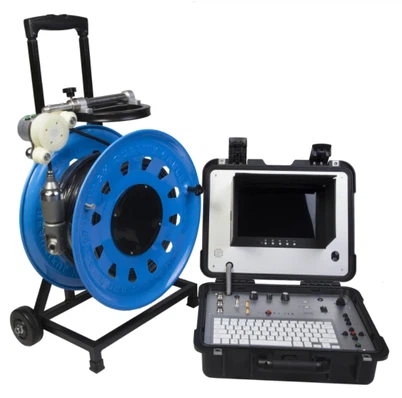
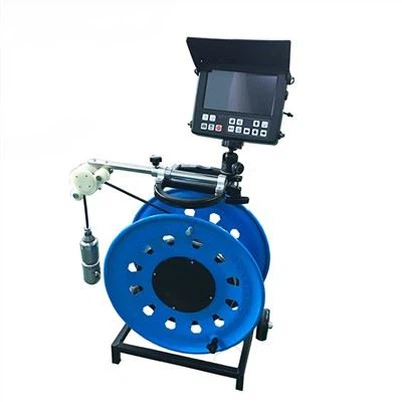
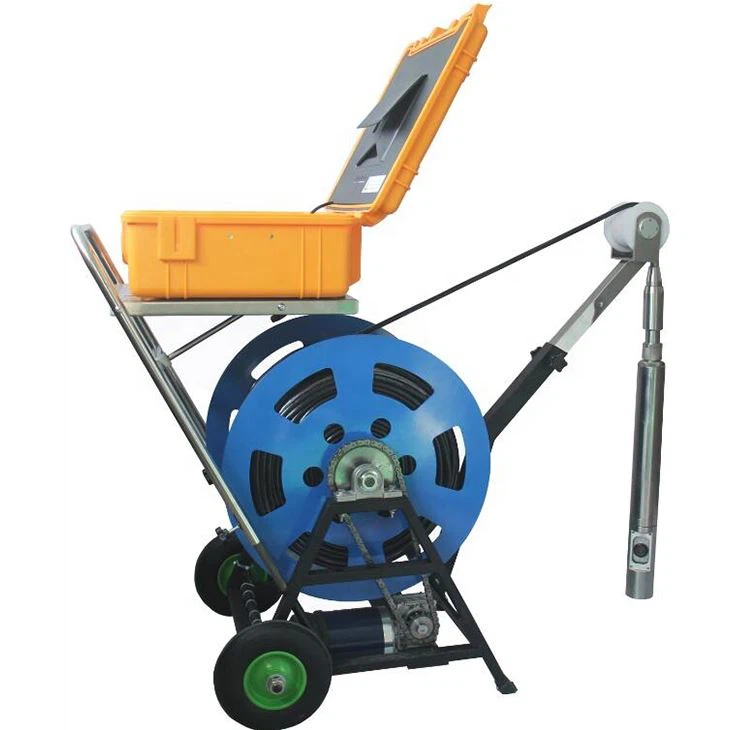
If you're interested in sewer inspection cameras, we also offer some related products. You can check out our Underwater dual view borescope inspection camera, which is suitable for underwater inspections and provides a unique dual - view feature. Our Borewell Inspection Camera is designed for borewell inspections, and it offers high - quality imaging. And our Borehole Water Well Camera is perfect for inspecting water wells, with a suitable angle of view to cover the well interior.
Contact Us for Purchase and Negotiation
If you're in the market for a sewer camera or any of our related products, we're here to help. Our team of experts can provide you with detailed information about the angle of view and other technical specifications of our cameras. We can also offer customized solutions based on your specific inspection needs. Whether you're a small - scale contractor or a large - scale industrial company, we have the right camera for you. Don't hesitate to contact us to start the purchase negotiation process.

References
- "Principles of Camera Technology" by John Doe
- "Sewer Inspection Techniques" by Jane Smith
- Industry reports on sewer camera applications