
What environmental factors can an ROV robot monitor?
Leave a message

As a leading ROV (Remotely Operated Vehicle) robot supplier, we understand the critical role these advanced machines play in monitoring various environmental factors. ROVs are equipped with a range of sensors and cameras that enable them to gather data from underwater environments, which is essential for scientific research, environmental protection, and industrial applications. In this blog, we will explore the environmental factors that an ROV robot can monitor and how our products can assist in these monitoring tasks.
Water Quality
One of the primary environmental factors that an ROV can monitor is water quality. Water quality is crucial for the health of aquatic ecosystems and human activities such as fishing and water supply. ROVs can be equipped with sensors to measure parameters such as temperature, salinity, dissolved oxygen, pH, and turbidity.

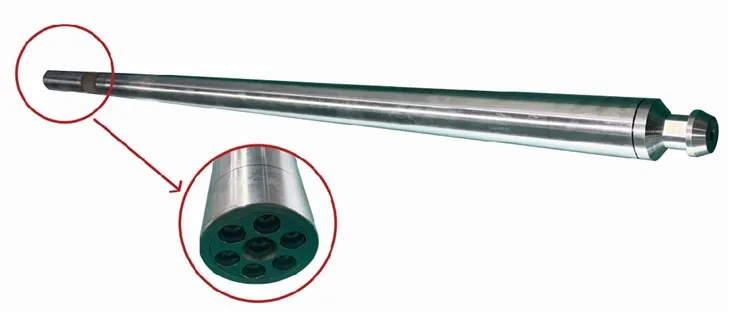
- Temperature: Temperature affects the metabolism, growth, and distribution of aquatic organisms. An ROV can measure water temperature at different depths and locations, providing valuable data for understanding thermal stratification and its impact on aquatic life.
- Salinity: Salinity is an important parameter that influences the density, buoyancy, and osmotic balance of organisms. ROVs can measure salinity levels to study the mixing of freshwater and saltwater in estuaries and coastal areas.
- Dissolved Oxygen: Dissolved oxygen is essential for the survival of aquatic organisms. Low levels of dissolved oxygen can lead to hypoxia, which can cause fish kills and other ecological problems. ROVs can measure dissolved oxygen levels to assess the health of aquatic ecosystems.
- pH: The pH of water affects the solubility of nutrients and the toxicity of heavy metals. ROVs can measure pH levels to monitor changes in water chemistry and identify potential sources of pollution.
- Turbidity: Turbidity is a measure of the clarity of water. High turbidity can reduce light penetration, which can affect photosynthesis and the growth of aquatic plants. ROVs can measure turbidity levels to assess the impact of sedimentation and pollution on water quality.
Marine Life
ROVs are also valuable tools for monitoring marine life. They can be used to observe and study the behavior, distribution, and abundance of various marine species.
- Fish and Invertebrates: ROVs can be equipped with cameras to capture high-resolution images and videos of fish and invertebrates in their natural habitats. This data can be used to study the behavior, migration patterns, and population dynamics of these species.
- Coral Reefs: Coral reefs are important ecosystems that provide habitat for a wide variety of marine life. ROVs can be used to monitor the health of coral reefs by measuring parameters such as coral cover, species diversity, and the presence of diseases.
- Marine Mammals: ROVs can be used to observe and study marine mammals such as whales, dolphins, and seals. They can provide valuable information about the behavior, distribution, and population status of these species.
Underwater Structures
ROVs are commonly used to inspect and monitor underwater structures such as oil and gas platforms, pipelines, and bridges. They can detect damage, corrosion, and other structural issues that may pose a risk to the safety and integrity of these structures.
- Oil and Gas Platforms: ROVs can be used to inspect the structural integrity of oil and gas platforms, including the legs, decks, and subsea equipment. They can detect corrosion, cracks, and other damage that may require repair or maintenance.
- Pipelines: ROVs can be used to inspect the condition of underwater pipelines, including the integrity of the pipe wall, the presence of leaks, and the condition of the coating. They can also be used to perform maintenance tasks such as cleaning and repair.
- Bridges: ROVs can be used to inspect the foundations and substructure of bridges. They can detect damage, corrosion, and other structural issues that may affect the safety and stability of the bridge.
Our ROV Products
At our company, we offer a range of ROV products that are designed to meet the needs of various industries and applications. Our ROVs are equipped with advanced sensors and cameras that enable them to monitor a wide range of environmental factors.
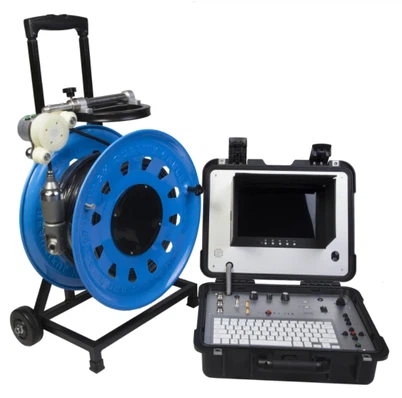
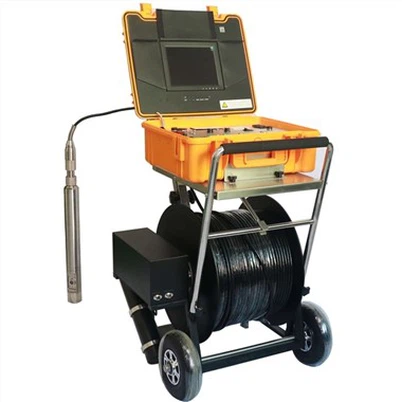
- Oil Gas Borehole Camera For 5000m: This high-performance camera is designed for use in oil and gas boreholes. It can provide clear and detailed images of the borehole wall, allowing for the detection of fractures, faults, and other geological features.
- Hot Sale Borehole Inspection Camera: This popular camera is suitable for a variety of borehole inspection applications. It is easy to use and can provide high-resolution images and videos of the borehole interior.
- Borehole Inspection Camera 200 Meters: This camera is designed for use in boreholes up to 200 meters deep. It is equipped with a powerful light source and a high-resolution camera, allowing for clear and detailed inspection of the borehole wall.
Contact Us for Purchase and Consultation
If you are interested in purchasing an ROV robot for environmental monitoring or other applications, please contact us for more information. Our team of experts can provide you with detailed product information, technical support, and customized solutions to meet your specific needs. We look forward to working with you to achieve your environmental monitoring goals.
References
- NOAA Fisheries. (2023). Water Quality Parameters. Retrieved from [NOAA Fisheries Website]
- Marine Conservation Institute. (2023). Monitoring Marine Life. Retrieved from [Marine Conservation Institute Website]
- International Association of Oil & Gas Producers. (2023). Underwater Inspection and Monitoring. Retrieved from [IOGP Website]