
Can ROV robots be used in underwater telecommunication cable inspections?
Leave a message

Hey there! I'm a supplier of ROV (Remotely Operated Vehicle) robots, and today I want to chat with you about whether ROV robots can be used in underwater telecommunication cable inspections.
First off, let's understand the importance of underwater telecommunication cables. These cables are like the super - highways of the digital world, carrying a massive amount of data across the oceans. They connect continents, allowing us to stream videos, make international calls, and conduct business on a global scale. But these cables are constantly at risk. They can be damaged by natural disasters like earthquakes and tsunamis, or by human activities such as fishing trawlers and ship anchors. So, regular inspections are crucial to ensure their proper functioning.
Now, let's talk about ROV robots. These are nifty little machines that can be controlled remotely from the surface. They're equipped with cameras, sensors, and sometimes even manipulator arms. They can dive deep into the ocean, reaching places that are difficult or dangerous for human divers.
One of the main advantages of using ROV robots for underwater telecommunication cable inspections is their ability to access hard - to - reach areas. Cables can be laid in deep trenches, around underwater mountains, or in areas with strong currents. Human divers have limitations in terms of depth and time they can spend underwater. ROVs, on the other hand, can operate at great depths for extended periods. For example, some of our ROVs can dive down to several thousand meters without a problem.
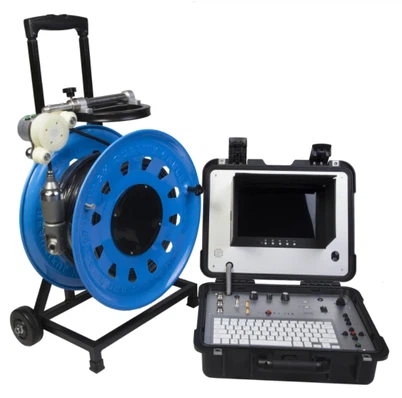
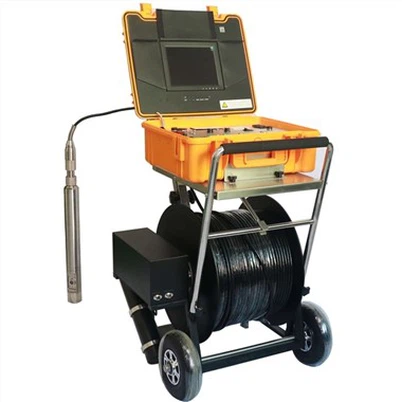
Another great thing about ROVs is the high - quality data they can collect. The cameras on our ROVs are top - notch. You can check out our Oil Well Downhole Camera For 3500m, which provides crystal - clear images even in murky underwater conditions. These cameras can capture details like cable abrasions, cuts, or signs of corrosion. The sensors on the ROVs can also detect changes in the cable's electrical properties, which could indicate potential problems.
ROVs are also cost - effective in the long run. While the initial investment in an ROV system might seem high, when you consider the cost of sending human divers on multiple inspection trips, the cost of ROVs becomes more reasonable. Plus, ROVs can work 24/7 if needed, which speeds up the inspection process.
However, there are also some challenges when using ROVs for cable inspections. One of the main issues is the complexity of the underwater environment. The ocean is a dynamic place, with constantly changing currents, temperatures, and visibility. These factors can affect the ROV's maneuverability and the quality of the data it collects. For example, strong currents can push the ROV off course, making it difficult to keep it steady near the cable.
Another challenge is the need for skilled operators. Operating an ROV requires training and experience. The operator needs to be able to control the ROV precisely, interpret the data from the cameras and sensors, and make quick decisions in case of any problems.
Despite these challenges, the benefits of using ROVs for underwater telecommunication cable inspections far outweigh the drawbacks. With the right technology and a well - trained team, ROVs can be a game - changer in the cable inspection industry.
Let's take a look at some real - world examples. In some large - scale cable laying projects, ROVs are used to inspect the cables during the installation process. This helps to ensure that the cables are laid correctly and that there are no immediate issues. After the cables are in place, regular ROV inspections are carried out to monitor their condition over time.
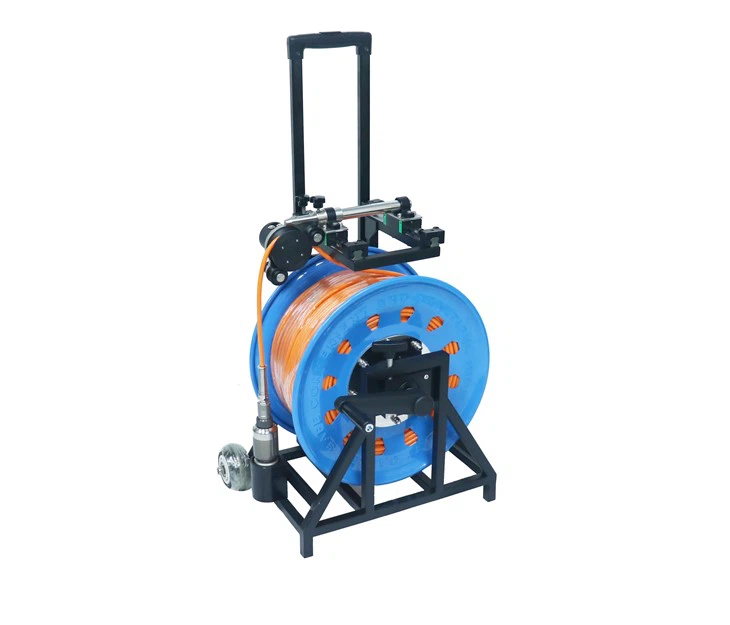
Our company offers a range of ROVs suitable for different types of cable inspection tasks. Whether you need a small, agile ROV for shallow - water inspections or a heavy - duty ROV for deep - sea operations, we've got you covered. And our Drilling Inspection Camera Waterproof 30 Bar and Hot Sale Water Well Inspection Camera can be integrated into our ROV systems to provide even better data collection capabilities.
In conclusion, ROV robots are definitely a viable option for underwater telecommunication cable inspections. They offer access to hard - to - reach areas, high - quality data collection, and cost - effectiveness. While there are challenges, these can be overcome with the right approach.
If you're in the business of underwater telecommunication cable installation or maintenance, and you're looking for a reliable ROV solution, we'd love to talk to you. We can provide you with more information about our products, help you choose the right ROV for your needs, and offer support throughout the inspection process. So, don't hesitate to reach out and start a conversation about how our ROVs can benefit your cable inspection operations.

References
- Ocean Engineering Journal: Studies on Underwater Vehicle Applications in Submarine Cable Maintenance
- International Journal of Marine Science: Advancements in Underwater Inspection Technologies