
Can an ROV robot be used for marine archaeology?
Leave a message

Can an ROV robot be used for marine archaeology? That's a question I've been getting a lot lately, and as a supplier of ROV robots, I'm more than happy to dive into this topic.
First off, let's talk about what an ROV robot is. ROV stands for Remotely Operated Vehicle. These are basically underwater drones that are controlled from the surface. They're equipped with cameras, lights, and sometimes other sensors, allowing us to explore the deep - sea environment without having to send a human diver down there.
Now, onto the big question: Can they be used for marine archaeology? The short answer is a resounding yes! And here's why.
One of the main challenges in marine archaeology is accessing the underwater sites. Many archaeological sites are located at great depths, where it's dangerous and difficult for human divers to reach. That's where ROV robots come in. They can easily be sent down to these depths, and with their advanced cameras, they can provide high - quality images and videos of the archaeological remains.
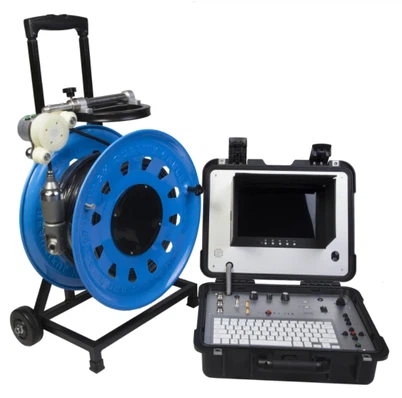
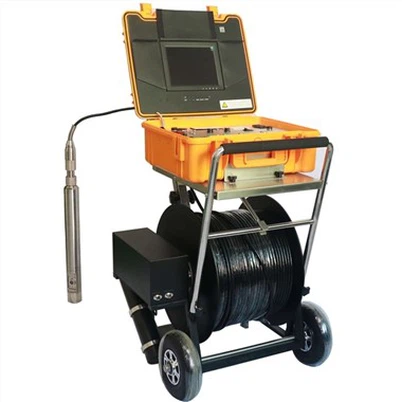
For example, our 360 Degree Water Well Inspection Camera is an excellent tool for marine archaeology. It offers a 360 - degree view, which means it can capture every angle of the archaeological site. This is crucial for documenting the site accurately. Archaeologists can use these images to study the layout of the site, the condition of the artifacts, and even to try and piece together the history of the area.
Another great advantage of using ROV robots in marine archaeology is the ability to perform detailed inspections. The Drilling Deep Well Underwater Operation Camera System is designed to withstand the harsh underwater environment. It can be used to inspect the inside of sunken ships, ancient structures, or even to look for hidden artifacts in the sediment. The high - definition cameras on these ROVs can pick up the smallest details, like engravings on pottery or markings on ancient tools.
ROV robots also offer a level of precision that is hard to achieve with human divers. They can be maneuvered with great accuracy, allowing archaeologists to focus on specific areas of interest. This is especially useful when dealing with fragile artifacts. Instead of risking damage by sending a diver in, an ROV can carefully approach the artifact and get a close - up look.
In addition to the visual data, some ROVs can be equipped with other sensors. For instance, they can have sonar sensors that can create a 3D map of the underwater site. This helps archaeologists understand the topography of the area and locate potential archaeological sites that might be hidden beneath the sediment.
The Well video 8 inch HD dual camera rotating probe deep well camera drilling inspection camera is another example of a versatile ROV tool. The dual - camera setup provides different perspectives, which can be very useful for getting a more comprehensive view of the site. The rotating probe allows for flexible inspection, ensuring that no part of the archaeological site is left unexamined.
However, it's not all smooth sailing. There are some challenges when using ROV robots for marine archaeology. One of the main issues is the limited battery life. ROVs need to be connected to a power source on the surface, and this can limit the amount of time they can spend underwater. Also, the communication between the ROV and the operator on the surface can sometimes be affected by underwater conditions, like strong currents or interference.
But despite these challenges, the benefits far outweigh the drawbacks. ROV robots have revolutionized the field of marine archaeology. They've made it possible to explore and study underwater archaeological sites in a way that was previously impossible.
If you're an archaeologist or part of an archaeological team, you might be thinking about how you can incorporate ROV robots into your projects. Well, that's where we come in. As a supplier of ROV robots, we offer a range of products that are specifically designed for underwater exploration and inspection. Our team of experts can help you choose the right ROV for your needs, and we also provide training and support to ensure that you can use the equipment effectively.
Whether you're looking to explore a newly discovered shipwreck or to conduct a detailed study of an ancient underwater city, our ROV robots can be the key to unlocking the secrets of the deep. If you're interested in learning more about our products or want to discuss how they can be used in your marine archaeology projects, don't hesitate to reach out. We're always happy to have a chat and see how we can help you take your archaeological research to the next level.
References


- National Oceanic and Atmospheric Administration (NOAA). "Underwater Archaeology: Exploring the Past Beneath the Waves."
- International Journal of Marine Archaeology. Various issues on the use of technology in marine archaeology.