
What Are The Uses Of Large Depth Inspection Cameras in The Oil Industry?
Leave a message
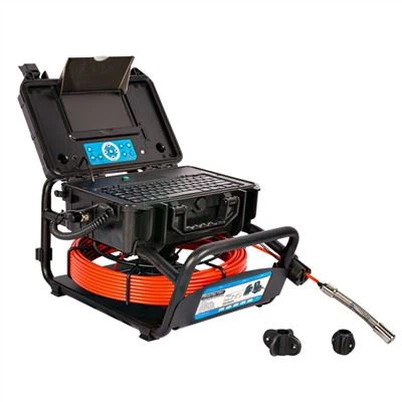
What are the uses of GRANFOO deep well inspection camera in the oil industry? Do you know? The main function of deep well inspection camera is to detect and act as the "eyes" of people in the well. GRANFOO's deep well inspection camera can help engineers obtain real-time video and images of the well situation, so as to understand and make decisions about the well situation. I will explain it through the following points:
1. Well wall inspection
Purpose: Check whether there are cracks, corrosion, sediments or other potential problems on the well wall of the oil well, help to detect well wall damage in time, and avoid blowouts or other catastrophic accidents.
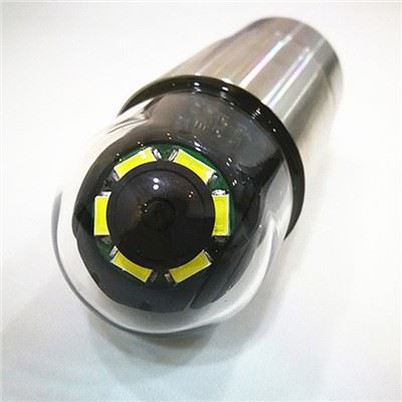
Function: The camera provides high-resolution images and is equipped with high-brightness LED lights to capture clear images in dark deep wells.
2. Completion inspection
Purpose: After the oil well is completed, it is necessary to check whether there is blockage, corrosion or non-compliance with design requirements. By using the deep well inspection camera, the equipment, pipelines and completion operations in the well can be observed in real time.
Function: The camera can provide high-precision images to help identify non-compliant or damaged completion parts.
3. Equipment inspection and maintenance
Purpose: Check various equipment in the oil well, such as oil pipes, oil production equipment, valves, etc., to confirm whether they are operating normally and whether they need to be repaired or replaced.
Function: The deep well camera is equipped with a rotation function, which can view the downhole equipment at 360 degrees to ensure the integrity of the equipment.
4. Leak detection and blockage diagnosis
Purpose: The deep well inspection camera can help find out whether there is a leak in the well or the flow of oil and gas is blocked, and provide detailed on-site video for quick diagnosis of the problem.
Function: Equipped with high-brightness lighting and high-definition cameras, it can clearly check whether there are oil leaks, gas leaks and other problems in the downhole pipelines and valves.
5. High-temperature and high-pressure downhole inspection
Purpose: Carry out inspections in high-temperature and high-pressure oil wells to ensure that the downhole environment has the least impact on the equipment.
Function: The deep well camera is designed to withstand high-temperature and high-pressure environments and is equipped with a protective casing to ensure that the equipment can still work normally under extreme conditions.
6. Oil and gas reservoir monitoring
Purpose: The deep well camera can be used to monitor the health of oil and gas reservoirs, help engineers understand the changes in oil and gas layers, and optimize production plans.
Function: It can be equipped with a variety of sensors, such as temperature sensors, pressure sensors, etc., to monitor the downhole conditions in real time.
7. Formation observation and recording
Purpose: When drilling oil wells, deep well inspection cameras can be used to record and observe the conditions of different formations to help geologists analyze geological structures.
Function: Record formation conditions through images and videos to provide more accurate geological exploration data.
8. Avoid drill bit jamming during drilling
Purpose: During the drilling process, use deep well inspection cameras to monitor the downhole conditions, help prevent drill bit jamming problems, and ensure smooth drilling operations.
Function: Check drill bits, drilling fluid flow, drill bit jamming, and other problems through real-time video monitoring.
Deep well inspection cameras provide high definition real-time images in high temperature and high pressure deep well environments, improving well inspection and maintenance efficiency, quickly locating faults, reducing labour risk and saving costs, making them an important tool for the oil industry.