

Simulation technology of underwater robots
Leave a message
Because the working area of underwater robot is inaccessible to the marine environment, the complexity of the environment makes it difficult for researchers to study and test the robot hardware and software system. Therefore, in the design stage of robot, the content of the simulation technology research is divided into two parts.
1. Platform motion simulation.
According to the given technical indicators and the working methods of underwater robots, the robot platform shape is designed and the hydrodynamic test is carried out to obtain the hydrodynamic parameters for simulation. Once the motion mathematical model and boundary conditions have been established, the motion simulation can be carried out with the water power parameters and operating conditions, and the dynamic response of the platform can be solved under various operating conditions. If there is a difference between the platform motion status and the expected according to the technical indicators, the simulation is simulated again by adjusting the technical parameters such as platform size and center of gravity floating center until the requirements are met.
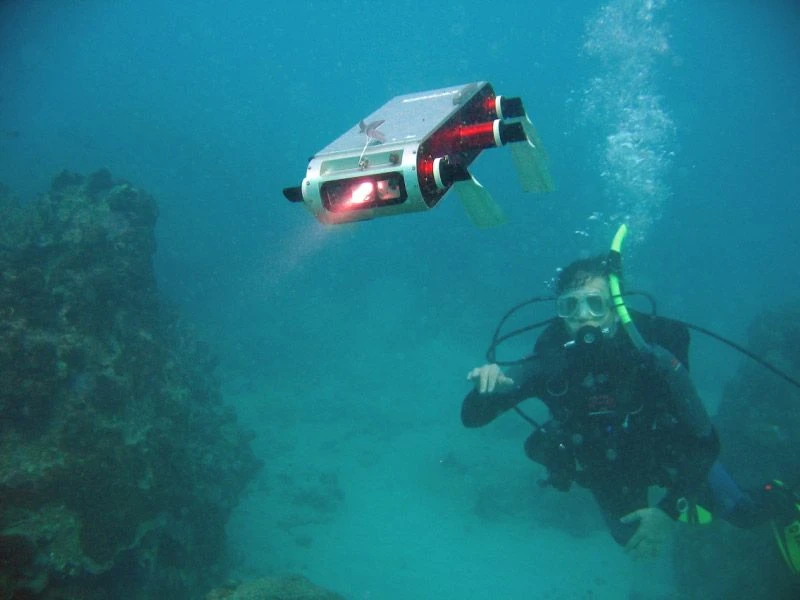
2. Control of hard, software simulation of underwater robots.
Before controlling the hard and software loaded into the platform, the stand-alone performance is detected in the laboratory, and then the integrated system is tested on the emulator, and the performance of the simulation is evaluated to reduce the huge risk of debugging and detecting the control system in the water. The contents include sealing, anti-jamming, electromechanical matching, software debugging. In addition, the above-mentioned emulator is mainly composed of platform simulation, equivalent load, analog communication interface, simulation workstation, etc.
If you want know more, you can contact us: info@granfoo-cn.com


