
How to transport an ROV robot?
Leave a message

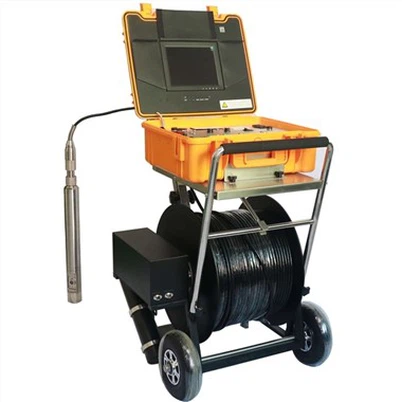
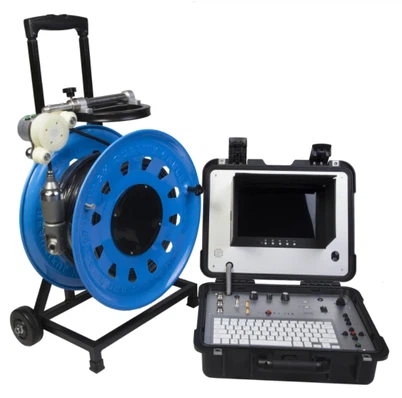
Transporting an ROV (Remotely Operated Vehicle) robot requires careful planning and execution to ensure its safe arrival at the destination. As a supplier of ROV robots, I understand the importance of proper transportation to maintain the integrity and functionality of these sophisticated machines. In this blog post, I will share some key considerations and best practices for transporting an ROV robot.
Pre - Transport Preparation
Before transporting an ROV robot, it is essential to conduct a thorough inspection of the equipment. Check for any signs of damage, loose parts, or malfunction. Make sure all components are properly secured and that the robot is in optimal working condition. This includes verifying the integrity of the electrical connections, the functionality of the sensors, and the stability of the mechanical structure.
Documentation is another crucial aspect of pre - transport preparation. Compile all relevant technical documents, such as the user manual, maintenance records, and calibration certificates. These documents will not only assist in the transportation process but also be useful for the end - user upon arrival.
Packaging
Proper packaging is vital to protect the ROV robot during transit. The packaging should be designed to withstand the rigors of transportation, including shocks, vibrations, and changes in temperature and humidity.
For the ROV itself, use a custom - made, high - density foam insert inside a sturdy shipping case. The foam should be cut to fit the shape of the robot precisely, providing a snug and protective fit. This will prevent the robot from shifting during transit and reduce the risk of damage.
Cables and accessories should be neatly coiled and secured in separate compartments within the shipping case. Label each cable and accessory clearly to facilitate easy identification and installation at the destination.
Choosing the Right Transportation Method
The choice of transportation method depends on several factors, including the distance, the urgency of delivery, and the size and weight of the ROV robot.
Air Freight
Air freight is often the fastest option for transporting ROV robots, especially for long - distance or international shipments. It offers a high level of security and relatively short transit times. However, it can be more expensive than other methods. When choosing an air freight carrier, ensure that they have experience in handling sensitive and high - value equipment. They should also provide proper tracking and insurance options.
Sea Freight
Sea freight is a cost - effective option for transporting larger ROV robots, especially for international shipments. It is suitable for non - urgent deliveries. However, sea freight has longer transit times compared to air freight. When using sea freight, make sure the shipping container is properly sealed and protected against moisture and corrosion.
Ground Transportation
For local or regional deliveries, ground transportation can be a convenient option. It is important to choose a reliable carrier with a good track record in handling heavy and delicate equipment. Ensure that the vehicle used for transportation is equipped with proper shock - absorbing systems to minimize vibrations during transit.
Handling and Loading
During the handling and loading process, it is crucial to follow proper procedures to avoid damage to the ROV robot. Use appropriate lifting equipment, such as cranes or forklifts, to move the shipping case. Make sure that the equipment is operated by trained personnel.
When loading the ROV into the transportation vehicle, place it in a stable position and secure it using straps or other fastening devices to prevent it from moving during transit.


Special Considerations
Temperature and Humidity
ROV robots are often sensitive to extreme temperatures and humidity. When transporting the robot, it is important to control the environment inside the shipping case. Use desiccants to absorb moisture and insulation materials to regulate the temperature.
Customs and Regulations
For international shipments, it is essential to comply with all relevant customs and regulations. This includes obtaining the necessary permits and documentation, such as export licenses and customs declarations. Make sure to research the specific requirements of the destination country in advance to avoid any delays or complications.
Post - Transport Inspection
Once the ROV robot arrives at its destination, conduct a thorough inspection to ensure that it has not been damaged during transit. Check all components and perform a functionality test to verify that the robot is working properly.
If any damage is detected, document it immediately and contact the transportation carrier and the insurance provider. Provide them with detailed information about the damage, including photos and a written description.
Conclusion
Transporting an ROV robot requires careful planning, proper packaging, and the selection of the right transportation method. By following the best practices outlined in this blog post, you can ensure the safe and successful delivery of your ROV robot.
At our company, we are committed to providing high - quality ROV robots and ensuring their safe transportation to our customers. If you are interested in purchasing an ROV robot or have any questions about transportation, please feel free to contact us for a detailed discussion. We look forward to working with you to meet your ROV needs.
For more information about our related products, you can visit the following links:
Borehole Inspection Camera
Borehole Water Well Camera
Hot Sale Borehole Camera 360deg
References
- "ROV Technology Handbook" by John Doe
- "Transportation of High - Tech Equipment" by Jane Smith