
Can ROV robots operate in deep - sea environments?
Leave a message

As a supplier of ROV (Remotely Operated Vehicle) robots, I often encounter inquiries about the feasibility of these advanced machines operating in deep - sea environments. In this blog, I will delve into the technical aspects, challenges, and capabilities of ROV robots in the deep - sea, and also introduce some of our related products.
Technical Capabilities of ROV Robots in Deep - Sea
ROV robots are engineered with a set of sophisticated technologies that enable them to function effectively in the harsh deep - sea environment. First and foremost, the pressure resistance of ROVs is a critical factor. The deep - sea exerts extreme pressure on any object submerged within it. For every 10 meters of depth, the pressure increases by approximately one atmosphere. At great depths, such as in the Mariana Trench which reaches over 10,000 meters, the pressure can be thousands of times greater than at the surface.
To withstand these pressures, ROVs are typically constructed with high - strength materials. Titanium alloys are a popular choice due to their excellent strength - to - weight ratio and corrosion resistance. The outer hull of the ROV is designed to distribute the pressure evenly, preventing structural failure. Additionally, internal components are often housed in pressure - resistant enclosures to protect sensitive electronics from the crushing forces of the deep - sea.
Another key aspect is the power supply. ROVs need a reliable source of energy to operate their motors, sensors, and other equipment. Most ROVs are connected to a surface vessel via a tether, which not only provides electrical power but also serves as a communication link. This tether allows operators on the surface to control the ROV's movements and receive data from its sensors. Some advanced ROVs are also equipped with onboard batteries, which can provide backup power in case of tether failure.

Navigation and Sensing in the Deep - Sea
Navigation in the deep - sea is a complex task. The lack of natural light and the vast expanse of open water make it difficult to determine the ROV's position. To address this, ROVs are equipped with a variety of sensors. Sonar systems are commonly used to map the surrounding environment. They emit sound waves that bounce off objects in the water, and by analyzing the time it takes for the waves to return, the ROV can create a detailed map of the seafloor and any obstacles in its path.
In addition to sonar, ROVs also use inertial measurement units (IMUs) to measure their orientation and acceleration. These units help the ROV maintain a stable position and make precise movements. Optical cameras are another essential sensor. They provide real - time visual feedback to the operators on the surface, allowing them to inspect objects such as underwater pipelines, shipwrecks, or marine life.
Challenges in Deep - Sea Operation
Despite their advanced capabilities, ROVs face several challenges in deep - sea environments. One of the main challenges is the communication delay. The long distance between the ROV and the surface vessel can cause a significant delay in the transmission of data and control signals. This delay can make it difficult for operators to respond quickly to changing conditions, especially when performing delicate tasks.
Another challenge is the limited visibility. In the deep - sea, natural light is scarce, and the water can be filled with sediment and other particles that reduce visibility. To overcome this, ROVs are equipped with powerful lights to illuminate the area around them. However, these lights can also create glare and reflections, which can make it difficult to obtain clear images.
The deep - sea environment is also home to a variety of extreme conditions, such as strong currents, low temperatures, and high levels of salinity. These conditions can affect the performance of the ROV's components, such as its motors and sensors. For example, cold temperatures can cause the lubricants in the motors to thicken, reducing their efficiency.
Our ROV - Related Products
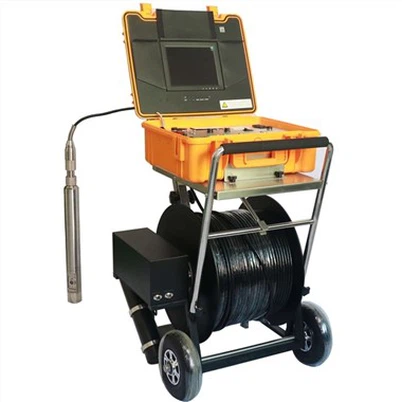
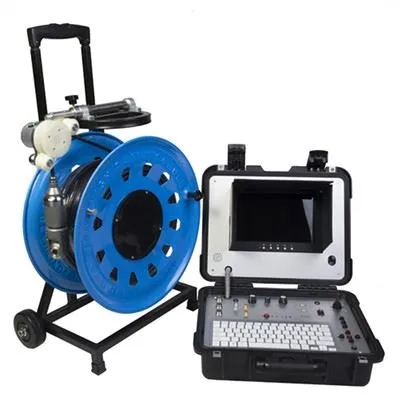
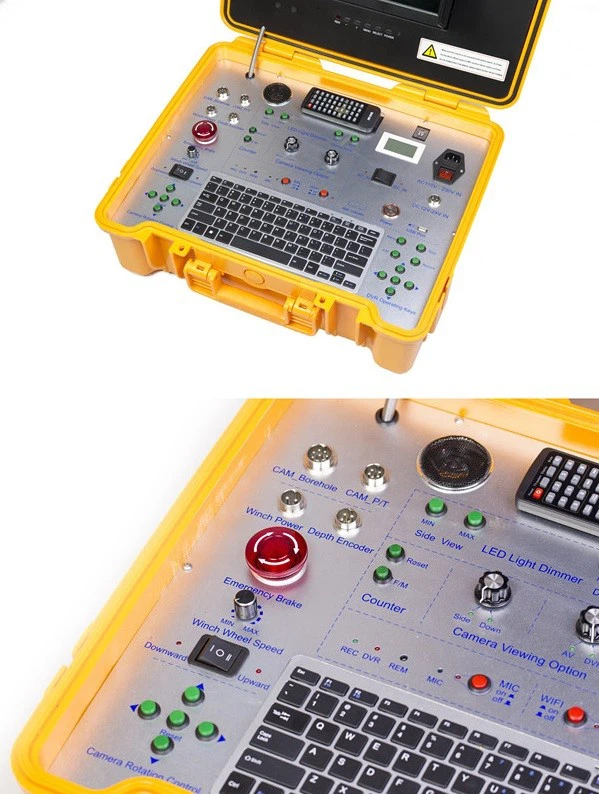
As a ROV robot supplier, we offer a range of products that are suitable for deep - sea operations. Our Borehole Deep Water Inspection Camera is designed to provide high - quality visual inspection in deep - water boreholes. It is equipped with a high - resolution camera and powerful lights, allowing operators to clearly see the interior of the borehole.
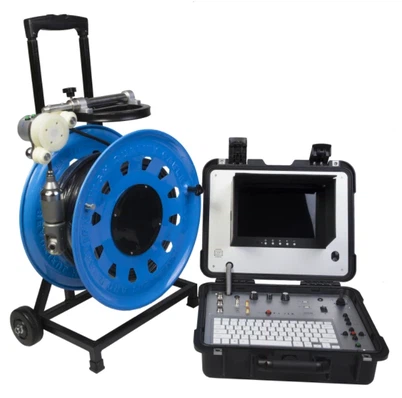
Our Waterproof Camera System For Deep Well is another product that is well - suited for deep - sea applications. This system is designed to withstand the high pressures and harsh conditions of the deep - sea. It provides real - time video footage, which can be used for a variety of purposes, such as pipeline inspection and marine research.
We also have a Hot Sale Water Well Inspection Camera that is popular among customers. This camera is easy to operate and provides clear images even in low - light conditions. It is a cost - effective solution for deep - sea inspection tasks.
Conclusion and Call to Action
In conclusion, ROV robots are capable of operating in deep - sea environments, thanks to their advanced technologies and robust design. However, they also face several challenges that need to be addressed. As a ROV robot supplier, we are committed to providing high - quality products and solutions to meet the needs of our customers.
If you are interested in our ROV products or have any questions about deep - sea operations, please feel free to contact us for procurement and further discussions. We look forward to working with you to explore the wonders of the deep - sea.
References
- "Underwater Robotics: Technology and Applications" by Richard A. Rauert
- "Deep - Sea Exploration: Technologies and Challenges" by John D. Spies