
What are the special requirements for using an ROV robot in rivers?
Leave a message

When it comes to using an ROV (Remotely Operated Vehicle) robot in rivers, there are several special requirements that need to be carefully considered. As a supplier of ROV robots, I have witnessed firsthand the unique challenges and needs that arise in river environments. In this blog post, I will delve into the key factors that must be taken into account when deploying an ROV robot in a river setting.
1. Water Conditions
Rivers are dynamic environments with constantly changing water conditions. The flow rate, water depth, and water clarity can vary significantly depending on the location and time of year. These factors have a direct impact on the performance and operation of an ROV robot.
Flow Rate
The flow rate of a river can be quite high, especially during periods of heavy rainfall or snowmelt. High flow rates can make it difficult for the ROV robot to maintain its position and maneuver effectively. To counteract the force of the current, the ROV should be equipped with powerful thrusters that can provide sufficient thrust to overcome the flow. Additionally, the ROV should have a stable design and be able to resist the lateral forces exerted by the water.
Water Depth
The depth of the river also plays a crucial role in the operation of an ROV robot. Different ROV models have different depth ratings, and it is essential to choose an ROV that is capable of reaching the desired depth. In deeper rivers, the ROV may need to be equipped with additional sensors and communication systems to ensure reliable operation. For example, a depth sensor can provide real-time information about the ROV's position in the water column, while a communication system can transmit data and video signals back to the surface.


Water Clarity
Water clarity is another important factor to consider when using an ROV robot in a river. Murky or turbid water can significantly reduce the visibility of the ROV's camera, making it difficult to obtain clear images and videos. To improve visibility, the ROV can be equipped with lighting systems, such as LED lights, to illuminate the surrounding area. Additionally, some ROVs are equipped with advanced imaging technologies, such as sonar or laser scanners, which can provide additional information about the underwater environment even in low-visibility conditions.
2. Obstacle Avoidance
Rivers are often filled with various obstacles, such as rocks, logs, and debris. These obstacles can pose a significant risk to the ROV robot, potentially causing damage to the equipment or interrupting the mission. To ensure the safety and reliability of the ROV, it is essential to have effective obstacle avoidance capabilities.
Sensors
ROV robots can be equipped with a variety of sensors to detect obstacles in the water. These sensors can include sonar, lidar, and cameras. Sonar sensors use sound waves to detect objects in the water, while lidar sensors use laser light to create a 3D map of the surrounding environment. Cameras can provide visual information about the obstacles, allowing the operator to make informed decisions about the ROV's path.
Navigation Systems
In addition to sensors, ROV robots can also be equipped with navigation systems to help them navigate through the river safely. These navigation systems can include GPS, inertial measurement units (IMUs), and compasses. GPS can provide the ROV's position in real-time, while IMUs can measure the ROV's orientation and movement. Compasses can help the ROV maintain a straight course and avoid collisions with obstacles.
3. Durability and Maintenance
Rivers can be harsh environments, with exposure to water, sediment, and other elements. To ensure the long-term performance and reliability of the ROV robot, it is essential to choose a durable and robust design.
Construction Materials
The ROV should be constructed from materials that are resistant to corrosion and damage. Common materials used in ROV construction include aluminum, stainless steel, and composite materials. These materials are strong, lightweight, and can withstand the harsh conditions of the river environment.
Sealing and Waterproofing
To prevent water from entering the ROV and damaging the internal components, the ROV should be properly sealed and waterproofed. This can include using gaskets, O-rings, and other sealing materials to ensure a watertight seal. Additionally, the ROV should be designed to prevent water from entering through the cables and connectors.
Maintenance and Repairs
Regular maintenance and repairs are essential to keep the ROV robot in good working condition. This can include cleaning the ROV after each use, inspecting the components for damage, and replacing any worn or damaged parts. It is also important to have a spare parts kit on hand to quickly replace any parts that may fail during the mission.
4. Communication and Control
Effective communication and control are essential for the successful operation of an ROV robot in a river. The operator needs to be able to communicate with the ROV and receive real-time feedback about its position, status, and performance.
Communication Systems
ROV robots can be equipped with a variety of communication systems to transmit data and video signals back to the surface. These communication systems can include wired and wireless options. Wired communication systems, such as Ethernet cables, provide a reliable and high-speed connection, but they are limited by the length of the cable. Wireless communication systems, such as Wi-Fi or radio, provide greater flexibility but may be subject to interference and range limitations.
Control Systems
The ROV should be equipped with a user-friendly control system that allows the operator to easily control the ROV's movement, camera, and other functions. The control system should be intuitive and easy to use, even for operators with limited experience. Additionally, the control system should provide real-time feedback about the ROV's position, status, and performance, allowing the operator to make informed decisions about the mission.
5. Safety Considerations
Safety is of utmost importance when using an ROV robot in a river. The operator should take all necessary precautions to ensure the safety of the ROV, the operator, and the environment.
Training and Certification
The operator should receive proper training and certification before operating the ROV robot. This can include training on the operation of the ROV, safety procedures, and emergency response protocols. Additionally, the operator should be familiar with the local regulations and guidelines regarding the use of ROVs in rivers.
Emergency Response
The ROV should be equipped with emergency response systems, such as an emergency stop button and a homing function. These systems can help the operator quickly stop the ROV in case of an emergency and return it to the surface safely. Additionally, the operator should have a plan in place for dealing with emergencies, such as equipment failure or unexpected obstacles.
Environmental Impact
When using an ROV robot in a river, it is important to minimize the environmental impact. This can include avoiding disturbing the natural habitat of the river, minimizing the use of chemicals and pollutants, and properly disposing of any waste generated during the mission.
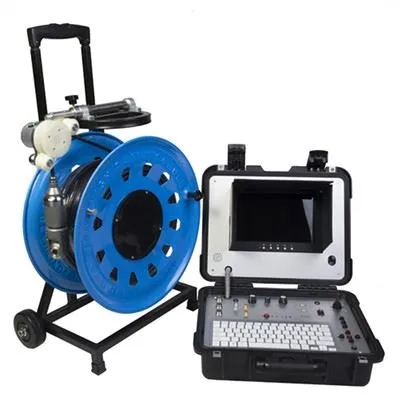
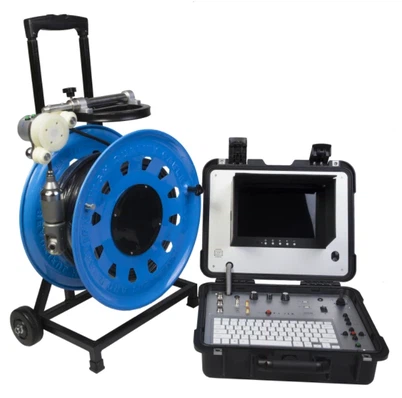
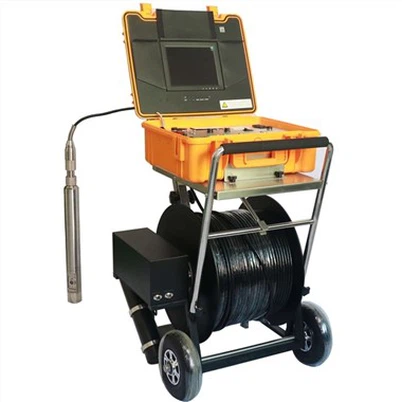
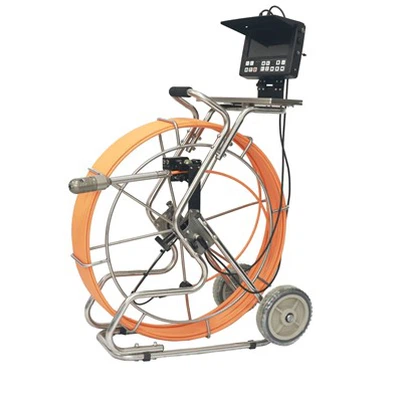
In conclusion, using an ROV robot in rivers requires careful consideration of several special requirements. These requirements include water conditions, obstacle avoidance, durability and maintenance, communication and control, and safety considerations. As a supplier of ROV robots, we offer a range of products that are specifically designed to meet the unique needs of river environments. Our products include Borehole Pipe Inspection Camera, 100m Water Pipe Inspection Camera Pan Tilt Drilling Pipelines Camera, and 100m Underwater Vertical Observation Borehole AHD Waterproof Inspection Camera. If you are interested in learning more about our products or have any questions about using an ROV robot in a river, please feel free to contact us for a procurement discussion.
References
- Smith, J. (2020). ROV Technology and Applications in Underwater Environments. Journal of Underwater Technology, 35(2), 123-135.
- Johnson, A. (2019). Safety Considerations for ROV Operations in Rivers. Marine Technology Society Journal, 53(3), 78-85.
- Brown, C. (2018). Environmental Impact of ROV Use in Aquatic Ecosystems. Environmental Science and Technology, 42(10), 3456-3462.