
What materials are used in coaxial lines?
Leave a message

Yo, what's up! I'm a supplier of coaxial lines, and today I wanna chat about the materials used in these bad boys. Coaxial lines are super important in all sorts of industries, from telecommunications to broadcasting, and the materials they're made of play a huge role in how well they work.
Let's start with the center conductor. This is the heart of the coaxial line, and it's usually made of copper. Copper is a fantastic choice because it's an excellent conductor of electricity. It has low resistance, which means that it can carry electrical signals with very little loss. This is crucial for maintaining the integrity of the signal as it travels through the line.


There are different types of copper used for the center conductor. Solid copper is often used in high - quality coaxial lines. It provides a stable and reliable path for the electrical current. Stranded copper, on the other hand, is more flexible. It's made up of multiple small copper strands twisted together. This makes it easier to bend and install in tight spaces, which is great for applications where flexibility is key.
Next up is the dielectric material. The dielectric is the insulating layer that separates the center conductor from the outer conductor. It's a really important part of the coaxial line because it helps to control the capacitance and impedance of the line. One of the most common dielectric materials is polyethylene. Polyethylene is a type of plastic that has excellent insulating properties. It's also lightweight and relatively inexpensive. It can withstand a wide range of temperatures, which makes it suitable for use in different environments.
Another popular dielectric material is foam polyethylene. Foam polyethylene has a lower dielectric constant compared to solid polyethylene. This means that it can reduce the loss of the signal as it travels through the line. It also makes the coaxial line more flexible, which is an added bonus.
The outer conductor is the next component of the coaxial line. It serves two main purposes. First, it provides a return path for the electrical current. Second, it acts as a shield to protect the center conductor from external electromagnetic interference. The outer conductor is typically made of copper or aluminum.
Copper is a great choice for the outer conductor because it's a good conductor and provides excellent shielding. It can effectively block out unwanted electromagnetic signals. Aluminum is also used, especially in applications where weight is a concern. Aluminum is lighter than copper, which can be an advantage in some situations, like in aerospace or mobile applications.
In addition to the basic materials, there are also some other components and coatings used in coaxial lines. For example, there's often a protective outer jacket. This jacket is usually made of a durable plastic material like PVC (polyvinyl chloride). The PVC jacket protects the coaxial line from physical damage, moisture, and environmental factors. It also provides some additional insulation.
Now, let me tell you a bit about how these materials affect the performance of coaxial lines. The choice of materials can have a big impact on the attenuation, or loss, of the signal as it travels through the line. A high - quality center conductor and dielectric material can minimize this loss, ensuring that the signal remains strong and clear.
The shielding provided by the outer conductor is also crucial. If the shielding is not effective, the coaxial line can pick up external electromagnetic interference, which can distort the signal. This is especially important in high - frequency applications, where even a small amount of interference can cause problems.
As a coaxial line supplier, I've seen firsthand how the right materials can make a big difference. We offer a wide range of coaxial lines made from different materials to meet the needs of various customers. Whether you need a coaxial line for a telecommunications network, a broadcasting system, or a scientific experiment, we've got you covered.
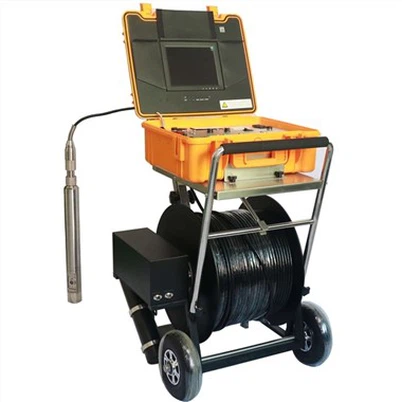
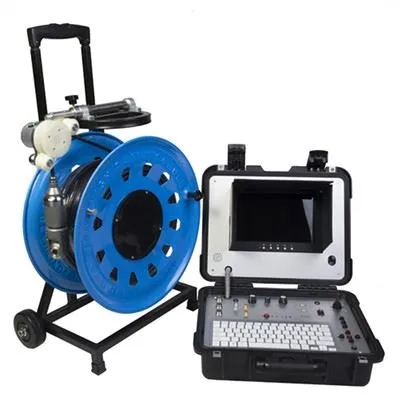
If you're in the market for coaxial lines, you might also be interested in some of our other products. Check out our Hot Sale Borehole Camera 360deg, which is great for inspecting boreholes. We also have the Sewer Drainage Pipe Inspection Camera for checking sewer pipes, and the Borewell Inspection Camera for borewell inspections.
We're always looking to work with new customers. If you're interested in our coaxial lines or any of our other products, don't hesitate to reach out. We can discuss your specific requirements and find the best solutions for you. Whether you need a small quantity for a prototype or a large order for a big project, we're here to help.
In conclusion, the materials used in coaxial lines are diverse and each plays a vital role in the performance of the line. From the center conductor to the outer jacket, every component is carefully chosen to ensure that the coaxial line can carry signals efficiently and reliably. So, if you're in the market for coaxial lines, make sure to consider the materials and their impact on performance. And remember, we're here to provide you with high - quality products and excellent service.
References:
- Electronics textbooks on coaxial cable technology
- Industry standards and guidelines for coaxial cable manufacturing