
Can I use a regular cleaning solution to clean a sewer camera?
Leave a message

When it comes to maintaining a sewer camera, one common question that often arises is, "Can I use a regular cleaning solution to clean a sewer camera?" As a supplier of high - quality sewer cameras, including products like the Flexible Cable Industrial Borehole Camera, Borehole Deep Water Inspection Camera, and Borehole Inspection Camera, I'm here to provide you with a detailed and scientific answer.
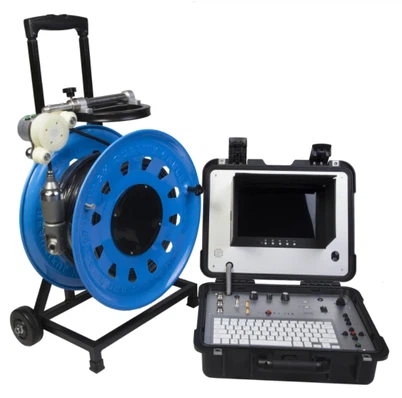
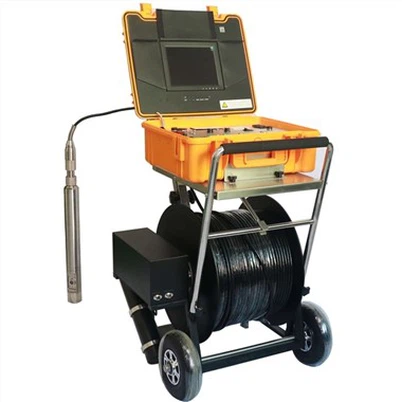
Sewer cameras are intricate devices designed to withstand harsh environments while providing clear visuals of sewer pipes and other underground structures. These cameras usually consist of a camera head, a cable, and often a control unit. Each component has specific requirements when it comes to cleaning and maintenance.
The Nature of Regular Cleaning Solutions
Regular cleaning solutions are formulated for general - purpose cleaning tasks around the house or in an office environment. They can be divided into different types, such as acidic, alkaline, and neutral solutions.
Acidic cleaning solutions are effective at removing mineral deposits and rust. However, they can be highly corrosive. If you use an acidic solution on a sewer camera, it may damage the camera lens, which can be coated with special materials to enhance clarity and durability. The acid can eat away at these coatings, leading to a decrease in image quality. Additionally, acidic solutions can corrode the metal parts of the camera, such as the connectors and the housing, which can cause electrical problems and structural damage.
Alkaline cleaning solutions, on the other hand, are great for removing grease and organic matter. But like acidic solutions, they can also be corrosive. The high pH of alkaline solutions can react with the materials used in the camera, such as the plastic components and the rubber seals. This can lead to swelling, cracking, or degradation of these materials, compromising the waterproof and dust - proof capabilities of the camera.
Neutral cleaning solutions are generally milder and less likely to cause damage. But even they may contain additives or chemicals that are not suitable for sewer camera cleaning. For example, some neutral cleaners may leave behind a residue that can interfere with the camera lens or the electronic components.
The Components of a Sewer Camera and Their Cleaning Requirements
Camera Head
The camera head is the most crucial part of the sewer camera, as it captures the images. The lens of the camera head needs to be clean to ensure clear vision. Most camera heads are designed to be waterproof, and they are often made with a combination of glass, plastic, and rubber. To clean the camera head, it's best to use a soft, lint - free cloth slightly dampened with distilled water. This can gently remove dirt, debris, and mucus without scratching the lens or damaging the waterproof seals.
Cable
The cable is another important part of the sewer camera. It connects the camera head to the control unit and may be exposed to a lot of dirt, mud, and chemicals in the sewer environment. The cable is usually made of a durable material, but it still needs to be cleaned properly. Using a regular cleaning solution on the cable can seep into the cable insulation and damage the internal wires, leading to signal loss or short - circuits. A mild soap solution and a soft brush can be used to clean the outer surface of the cable. After cleaning, make sure to dry the cable thoroughly to prevent moisture from causing damage.
Control Unit
The control unit houses the electronics that process the images from the camera head. It should be kept dry and clean at all times. Using a regular cleaning solution on the control unit can cause electrical shorts and damage the internal components. Instead, use a dry, soft cloth to wipe the exterior of the control unit. If there is stubborn dirt, a slightly damp cloth can be used, but make sure to dry the unit immediately.
Risks of Using Regular Cleaning Solutions
Using a regular cleaning solution on a sewer camera can lead to several risks:
- Damage to the camera lens: As mentioned earlier, acidic or alkaline solutions can damage the lens coating, resulting in blurred or distorted images.
- Corrosion of metal parts: The metal components of the camera, such as the connectors and the camera housing, can corrode when exposed to harsh chemicals in regular cleaning solutions. This can lead to poor electrical connections and structural failure.
- Compromised waterproofing: The rubber seals and gaskets in the camera are critical for waterproofing. Regular cleaning solutions can damage these seals, allowing water to enter the camera and cause irreparable damage to the internal electronics.
- Electrical problems: If cleaning solutions seep into the control unit or the cable, they can cause electrical shorts, signal interference, and even permanent damage to the camera's electronic components.
Recommended Cleaning Methods
- Distilled water and a soft cloth: For the camera head, use a soft, lint - free cloth dampened with distilled water to gently wipe the lens and the exterior of the camera head. This method is safe and effective in removing dirt and debris without causing damage.
- Mild soap and water for the cable: Mix a small amount of mild soap with water. Use a soft brush to clean the outer surface of the cable, and then rinse it with clean water. Make sure to dry the cable thoroughly.
- Dry cloth for the control unit: Use a dry, soft cloth to wipe the exterior of the control unit. If necessary, slightly dampen the cloth, but ensure the unit is dried immediately to prevent moisture damage.
Maintenance Tips for Sewer Cameras
- Regular inspections: Inspect the camera head, cable, and control unit before and after each use. Look for any signs of damage, such as cracks, scratches, or loose connections.
- Proper storage: Store the sewer camera in a dry, cool place. Avoid exposing it to extreme temperatures, humidity, or direct sunlight, as these conditions can damage the camera.
- Follow the manufacturer's instructions: Always refer to the manufacturer's cleaning and maintenance guidelines for your specific sewer camera model.
In conclusion, using a regular cleaning solution on a sewer camera is generally not recommended due to the potential risks of damage to the camera's components. As a professional sewer camera supplier, we understand the importance of proper maintenance for the longevity and performance of your sewer camera. By following the recommended cleaning methods and maintenance tips, you can ensure that your sewer camera remains in optimal condition and provides reliable service for years to come.


If you are in the market for a new sewer camera or have any questions about our products, including the Flexible Cable Industrial Borehole Camera, Borehole Deep Water Inspection Camera, and Borehole Inspection Camera, we invite you to contact us. Our team of experts is ready to assist you with your purchase decision and provide you with the best - in - class products and service.
References
- Generic camera maintenance guides from leading camera manufacturers.
- Industry - specific literature on the care and handling of inspection cameras.