
Can an ROV robot be used in oil and gas industry?
Leave a message

Hey there! As a supplier of ROV (Remotely Operated Vehicle) robots, I often get asked if these nifty machines can be used in the oil and gas industry. Well, the short answer is a resounding yes! In this blog, I'll dive deep into how ROV robots are revolutionizing the oil and gas sector.
First off, let's talk about what an ROV robot is. It's basically an underwater vehicle that's controlled remotely from the surface. These robots are equipped with all sorts of high - tech gear like cameras, sensors, and manipulator arms. They can operate in some of the harshest underwater environments, from shallow coastal waters to the deep ocean floor.


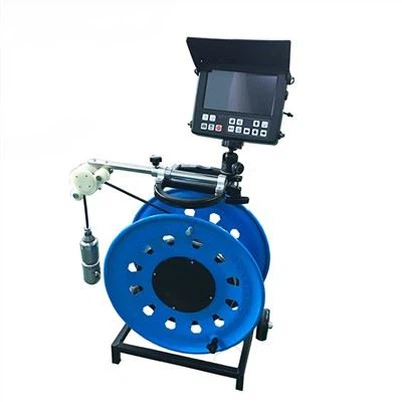
One of the main areas where ROV robots shine in the oil and gas industry is in exploration. When oil and gas companies are looking for new reserves, they need to survey the seabed. ROVs can be sent down to take detailed images and collect data about the geology of the area. The Best Underwater Sewer Drain Pipe Inspection Video Camera 100m that we offer can be attached to our ROVs, providing crystal - clear visuals even in murky waters. This helps the companies to identify potential drilling sites more accurately.
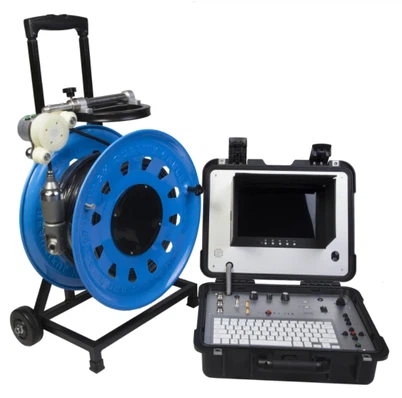
During the construction phase of oil and gas platforms, ROVs play a crucial role. They can be used to install and inspect subsea pipelines. For example, the 360 Degree Water Well Inspection Camera can be used to check the integrity of the pipes as they are being laid. This ensures that there are no leaks or damages right from the start. ROVs with manipulator arms can also help in connecting different components of the pipeline system, which is often a tricky task in the deep sea.
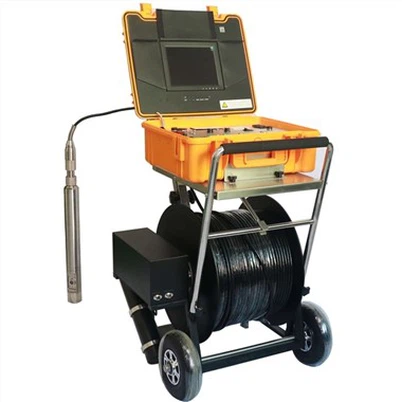
Once the oil and gas production starts, ROVs are still in high demand. They are used for regular maintenance and inspection of the subsea infrastructure. This includes checking the condition of wellheads, valves, and other equipment. The Oil Gas Borehole Camera For 5000m is perfect for getting a close - up look at what's going on inside the boreholes. By regularly monitoring these components, companies can detect any signs of wear and tear early on, preventing costly breakdowns and potential environmental disasters.
Another advantage of using ROVs in the oil and gas industry is safety. Sending human divers into the deep sea is extremely dangerous. There are risks like high water pressure, cold temperatures, and the presence of dangerous marine life. ROVs can do the job without putting human lives at risk. They can work in areas that are too deep or too hazardous for divers to reach.
Cost - effectiveness is also a major factor. While the initial investment in an ROV system might seem high, in the long run, it saves a lot of money. ROVs can work around the clock without getting tired, and they can perform tasks much faster than human divers. This means that projects can be completed more quickly, reducing overall operational costs.
Now, let's talk about some of the challenges that come with using ROVs in the oil and gas industry. One of the main issues is the communication between the ROV and the surface control station. In deep - sea environments, the signal can be weak, leading to delays or even loss of control. However, we've been working hard on improving our communication systems to ensure a stable and reliable connection.
Another challenge is the harsh underwater environment. The high pressure, corrosive seawater, and extreme temperatures can take a toll on the ROVs. That's why we use high - quality materials and advanced engineering techniques to build our ROVs. They are designed to withstand these tough conditions and have a long service life.
In terms of the future, the potential for ROVs in the oil and gas industry is huge. With the development of new technologies, we can expect ROVs to become even more capable. For example, we're looking into integrating artificial intelligence into our ROVs. This would allow them to make decisions on their own, such as adjusting their course based on the data they collect.
So, if you're in the oil and gas industry and you're looking for a reliable way to carry out underwater tasks, an ROV robot is definitely the way to go. Our company has a wide range of ROVs to suit different needs and budgets. Whether you need a small ROV for shallow - water inspections or a large, heavy - duty one for deep - sea operations, we've got you covered.
If you're interested in learning more about our ROV robots or want to discuss a potential purchase, don't hesitate to reach out. We're always happy to have a chat and see how we can help you with your underwater projects.
References
- "Underwater Robotics in the Oil and Gas Industry" - Journal of Marine Technology
- "Advances in ROV Technology for Subsea Operations" - International Conference on Ocean Engineering