
Can a sewer camera be used in small pipes?
Leave a message

In the realm of plumbing and sewer maintenance, the question of whether a sewer camera can be used in small pipes is a crucial one. As a seasoned sewer camera supplier, I've encountered this query numerous times from professionals and DIY enthusiasts alike. In this blog post, I'll delve into the technical aspects, practical considerations, and real - world applications to answer this question comprehensively.


Technical Capabilities of Sewer Cameras
Sewer cameras have come a long way in terms of technology. Modern sewer cameras are designed with high - resolution imaging sensors that can capture clear and detailed images even in the dimly lit environment of small pipes. These cameras are often equipped with LED lights that can be adjusted to provide optimal illumination, regardless of the pipe size.
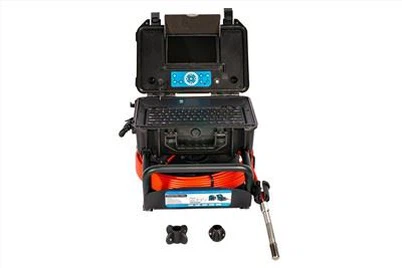
The flexibility of the camera cable is another important factor. For small pipes, a thin and highly flexible cable is essential. Our sewer cameras are engineered with cables that can easily navigate through tight bends and curves commonly found in small pipes. The diameter of the camera head itself is also a critical specification. We offer camera heads with diameters as small as a few millimeters, which are specifically designed for use in pipes with limited space.
Advantages of Using Sewer Cameras in Small Pipes
One of the primary advantages of using a sewer camera in small pipes is the ability to accurately diagnose problems. Instead of relying on guesswork or invasive methods, a sewer camera allows you to visually inspect the interior of the pipe. This can help identify issues such as blockages, cracks, root intrusions, and misalignments.
For example, in a residential plumbing system, small pipes are often used for drainage from sinks, toilets, and showers. A blockage in these pipes can cause water backups and unpleasant odors. By using a sewer camera, you can quickly locate the exact position of the blockage, whether it's a buildup of hair, debris, or a foreign object. This targeted approach saves time and money by eliminating the need for extensive digging or pipe replacement.
Another advantage is preventive maintenance. Regular inspections with a sewer camera can detect early signs of damage or wear in small pipes. This allows you to take proactive measures to repair or replace the pipes before a major problem occurs. In commercial buildings, where a small pipe failure can disrupt operations and lead to significant financial losses, preventive maintenance using sewer cameras is invaluable.
Challenges and Limitations
While sewer cameras offer many benefits for small pipe inspections, there are also some challenges and limitations to consider. One of the main challenges is the limited field of view in small pipes. Due to the narrow space, the camera may not be able to capture a full 360 - degree view of the pipe interior. This can make it difficult to detect certain types of damage that may be located on the side or back of the pipe.
Another limitation is the potential for the camera cable to get stuck in small pipes. If there are sharp bends, rough surfaces, or obstructions in the pipe, the cable may become snagged, preventing the camera from advancing further. To mitigate this risk, our sewer cameras are equipped with features such as anti - snag technology and a smooth outer coating on the cable.
Real - World Applications
Sewer cameras are widely used in various industries for small pipe inspections. In the plumbing industry, plumbers use sewer cameras to diagnose and repair problems in residential and commercial plumbing systems. For example, in a multi - story building, small pipes are used for vertical drainage. A sewer camera can be inserted into the pipes to check for blockages or damage without having to tear down walls or floors.
The environmental and wastewater management industries also rely on sewer cameras for small pipe inspections. In wastewater treatment plants, small pipes are used for the transfer of chemicals and sludge. Regular inspections with a sewer camera can ensure the integrity of these pipes and prevent leaks or spills that could have a negative impact on the environment.
Related Products
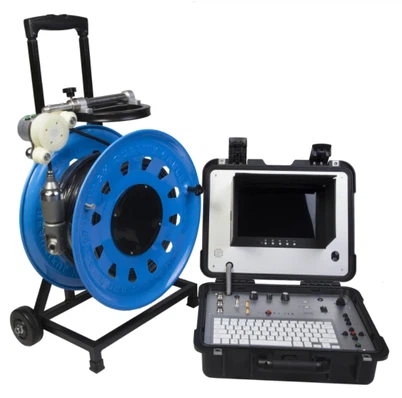
If you're interested in more specialized camera solutions, we also offer Borehole Inspection Camera, Factory Borehole Water Well Camera, and Borehole Water Well Camera. These cameras are designed for specific applications such as borehole inspections and water well monitoring.
Conclusion
In conclusion, a sewer camera can indeed be used in small pipes, and it offers significant advantages in terms of problem diagnosis and preventive maintenance. While there are some challenges and limitations, modern sewer cameras are equipped with the technology to overcome many of these issues. Whether you're a professional plumber, an environmental engineer, or a DIY enthusiast, a sewer camera can be a valuable tool in your arsenal.
If you're interested in learning more about our sewer cameras or have specific requirements for small pipe inspections, we encourage you to contact us for a detailed discussion. Our team of experts is ready to assist you in finding the right solution for your needs.
References
- Plumbing and Drainage Engineering Handbook, various authors
- Journal of Environmental Science and Technology, multiple issues related to pipe inspection
- Manufacturer's specifications for sewer cameras and related products