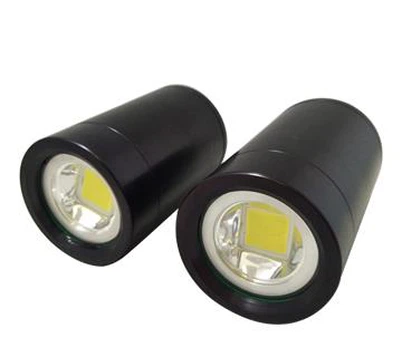

Comparison between downhole TV logging tool and traditional logging
Leave a message
Generally speaking, the superiority of downhole TV logging tools compared with traditional logging methods mainly depends on the nature of the problem to be diagnosed and the cost difference.

1. Engineering inspection
The need for downhole TVs to detect casing and engineering breakage depends primarily on the value of the information required. If it is a common fault in the field and there are other known signs, a simple engineering logging method or even an electromagnetic casing detector is often used. But if the nature of the casing damage is uncertain, it is generally worth running a downhole TV.
2. Salvage operations
If the first salvage operation has failed, going downhole TV can often save time, effort, and expense. In this case, by obtaining the real image of the fallen fish and the method can make an accurate judgment and save a lot of money. Drilling and workover technicians use the images to easily determine the appropriate fishing tools and methods. Finally, significant savings in time and money can be achieved by using a downhole TV.
3. Scale and organic matter accumulation
In detecting scale and organic matter accumulation, the data provided by downhole video logging is unparalleled. Traditional methods and non-visual methods are often unable to accurately determine the number of aggregates and their harm to production. Downhole TV is an excellent and cost-effective way to analyze scale, wax, and bitumen build-up. In most cases, the images obtained by downhole TV before and after workover can effectively judge the effect of various workover methods used.
4. Sand and solid particles enter
Downhole TV can also give images of sand and solid particles entering the well, which cannot be detected by conventional logging methods. Sand entry generally appears as a wavy cloud-like image of fine sand flowing through perforation holes or fractures. However, if the fluid generated in the well is opaque and difficult to photograph, clean fluid needs to be pumped from the annulus, which makes it difficult to detect sand intrusion and requires further explanation and field knowledge.
5. Fluid intrusion
For measuring fluid intrusion, traditional tracer logging and rotameter measurements can still compete with downhole TV, especially when the resulting fluid is opaque and difficult to obtain a clear image. At this time, it may cost a lot of money to provide cleaning fluid for the camera, and at the same time, it will get false information because of disturbing the original natural fluid outflow.
In conclusion, downhole TV methods are superior to many conventional logging methods in engineering logging, salvage, and detection of scale and organic deposits. The only possible downsides are cost and wellbore preparation required for imaging. In addition to this, obtaining real-time visual images is still a good way to obtain information.