
What aspect ratios does wells camera offer?
Leave a message

As a supplier of Wells Camera, I often get asked about the aspect ratios our cameras offer. It's a crucial question because the aspect ratio can significantly impact the viewing experience and the usability of the camera in different scenarios. In this blog, I'll break down the various aspect ratios available in our Wells Camera lineup and explain how they can benefit you.
Understanding Aspect Ratios
Before we dive into the specific aspect ratios our cameras offer, let's quickly go over what aspect ratio means. In simple terms, the aspect ratio is the proportional relationship between the width and the height of an image or a video. It's usually expressed as two numbers separated by a colon, like 16:9 or 4:3.
A common analogy to understand aspect ratio is to think of a rectangle. If you have a rectangle that's 16 inches wide and 9 inches tall, its aspect ratio is 16:9. This ratio determines the shape of the image, whether it's more rectangular (like a widescreen TV) or more square (like an old - fashioned monitor).
Aspect Ratios in Wells Camera
4:3 Aspect Ratio
One of the aspect ratios we offer in some of our Wells Camera models is 4:3. This is an older, more traditional aspect ratio that was commonly used in early televisions and computer monitors. It has a more square - like shape compared to the widescreen ratios.
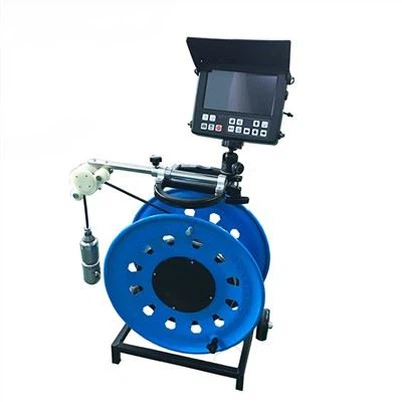
The 4:3 aspect ratio is great for certain applications. For example, if you're using our Borewell Inspection Camera to inspect small, confined spaces like pipes or small boreholes, the 4:3 ratio can provide a more balanced view. It allows you to see more of the vertical space, which is often important when looking for details along the sides of a pipe or the walls of a borehole.
In addition, some users prefer the 4:3 aspect ratio for its familiarity. It gives a classic look to the footage, and if you're used to working with older camera systems, this ratio can make the transition to our Wells Camera easier.
16:9 Aspect Ratio
The 16:9 aspect ratio is the standard for modern widescreen displays. It's what you'll see on most HD and UHD TVs, as well as many computer monitors. Our Wells Camera also offers this aspect ratio in several of our models.
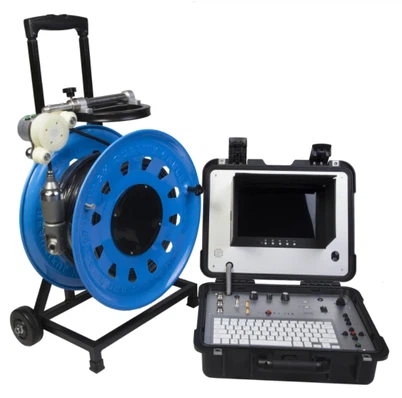
The 16:9 ratio is ideal for applications where a wide field of view is needed. If you're using our Borehole Water Well Camera to survey a large water well, the widescreen format allows you to capture more of the horizontal area in a single frame. This can be extremely useful for getting an overall view of the well's structure, including any horizontal cracks or irregularities.
Moreover, since most people are used to watching content in the 16:9 aspect ratio, it's easier to share and view the footage on standard devices. Whether you're presenting the inspection results to a client or simply reviewing the footage on your own device, the 16:9 ratio ensures compatibility with most display systems.

21:9 Aspect Ratio
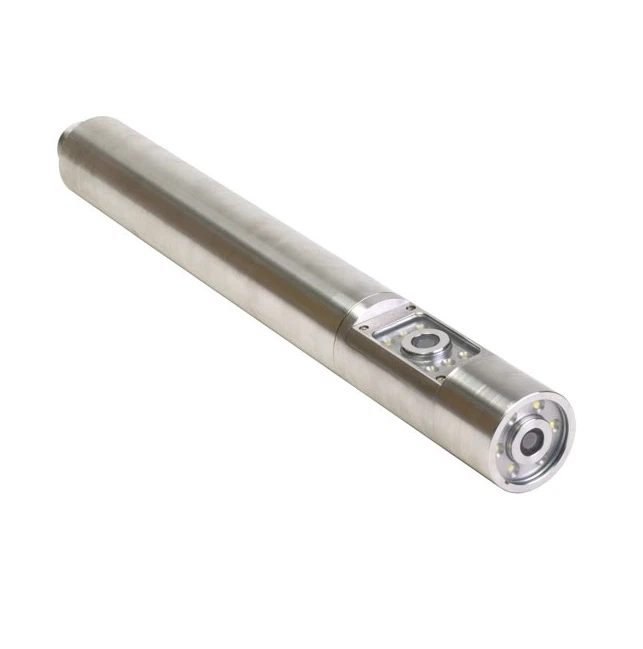
For those who need an even wider field of view, we offer some Wells Camera models with a 21:9 aspect ratio. This is an ultra - widescreen format that's becoming more popular in high - end monitors and some cinematic productions.
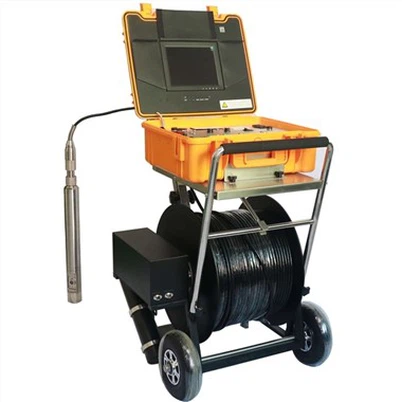
Our Borehole Deep Water Inspection Camera with a 21:9 aspect ratio is perfect for deep - water borehole inspections. It can capture a very wide area, which is beneficial when you're trying to get a comprehensive view of the entire borehole cross - section. This aspect ratio can help you detect any large - scale features or anomalies that might be missed with a narrower aspect ratio.
Choosing the Right Aspect Ratio for Your Needs
When deciding which aspect ratio is right for you, there are a few factors to consider. First, think about the nature of your inspection or monitoring task. If you're working in a small, vertical - oriented space, the 4:3 aspect ratio might be the best choice. On the other hand, if you need to cover a large horizontal area, the 16:9 or 21:9 ratios are more suitable.
Another factor is the compatibility of the footage with your existing display and sharing systems. If you plan to share the footage with others or view it on standard devices, the 16:9 aspect ratio is a safe bet as it's widely supported.
Why Choose Wells Camera for Your Inspection Needs
Our Wells Camera lineup offers not only a variety of aspect ratios but also high - quality imaging, durability, and ease of use. We understand that when you're in the field, you need a camera that can perform reliably in challenging conditions.
Our cameras are built to withstand the harsh environments of borehole and underwater inspections. They have robust housings that protect the internal components from water, dust, and impact. The imaging sensors in our cameras are designed to provide clear, sharp images even in low - light conditions, which is often the case in boreholes and deep - water environments.
In addition, our customer support team is always ready to help you choose the right camera and aspect ratio for your specific needs. We offer training and technical assistance to ensure that you can get the most out of your Wells Camera.
Contact Us for Purchase and Discussion
If you're interested in learning more about our Wells Camera and the aspect ratios we offer, or if you're ready to make a purchase, don't hesitate to reach out. We're eager to discuss your requirements and help you find the perfect camera solution for your inspection tasks. Whether you're a professional inspector, a well - drilling company, or an individual looking for a reliable borehole camera, we have the expertise and the products to meet your needs.
References
- General knowledge of camera aspect ratios and their applications in the inspection industry.
- Internal product documentation of Wells Camera models and their features.