
What are the camera resolution of ROV robots?
Leave a message

Hey there! I'm a supplier of ROV (Remotely Operated Vehicle) robots, and today I wanna chat about one of the most crucial aspects of these nifty machines: camera resolution.
Let's start with the basics. Camera resolution is all about how sharp and detailed the images and videos your ROV camera can capture. It's measured in pixels, and the more pixels, the better the quality. Think of pixels as tiny dots that make up an image. When you have a high - resolution camera, those dots are packed closely together, resulting in a clear, crisp picture.
For ROV robots, camera resolution matters big time. Whether you're using the ROV for underwater exploration, pipeline inspection, or scientific research, you need to see what's going on down there with as much clarity as possible. A low - resolution camera might give you a blurry or pixelated view, making it hard to identify objects, read markings, or spot potential issues.
Now, let's dig into the different levels of camera resolution you might find in ROV robots.
Standard Definition (SD)
SD cameras typically have a resolution of around 640x480 pixels. These cameras were once the norm, but they're becoming less common in modern ROVs. The main advantage of SD cameras is their simplicity and cost - effectiveness. They're usually lightweight and consume less power, which can be a plus for smaller ROVs with limited battery life. However, the image quality is not great by today's standards. The pictures and videos can look grainy, and it's difficult to make out fine details. If you're on a tight budget and only need a basic view of the underwater environment, an SD camera might do the job. But for most professional applications, you'll probably want something better.
High Definition (HD)
HD cameras are a big step up from SD. They come in two main flavors: 720p (1280x720 pixels) and 1080p (1920x1080 pixels). 720p offers a significant improvement in image quality over SD, with sharper details and better color accuracy. It's a good middle - ground option for many ROV users. It provides a clear view of the underwater world without breaking the bank or consuming too much power.
On the other hand, 1080p is the gold standard for HD. It offers even more detailed and vibrant images, making it ideal for applications where you need to closely examine objects or detect small features. Whether you're inspecting a ship's hull for damage or studying marine life, a 1080p camera can give you the clarity you need. Many of our ROV models come equipped with 1080p cameras, and they've been well - received by customers for their excellent performance.
Ultra High Definition (UHD) or 4K
If you want the absolute best in camera resolution, then 4K is the way to go. 4K cameras have a resolution of 3840x2160 pixels, which is four times the resolution of 1080p. The level of detail you can capture with a 4K camera is truly amazing. You can see individual fish scales, read small text on submerged objects, and get a much more immersive view of the underwater environment.
However, there are some drawbacks to 4K cameras. They're more expensive than HD cameras, and they require more processing power and storage space. The data transfer rate is also higher, which can put a strain on the ROV's communication system. But if you're working on high - end projects like deep - sea exploration or high - precision inspections, the benefits of 4K far outweigh the costs.
Factors Affecting Camera Resolution in ROVs
It's not just about the camera itself. There are several other factors that can affect the effective resolution of your ROV's camera.
Lighting: Underwater, lighting conditions can be extremely challenging. Poor lighting can make even a high - resolution camera produce blurry or dark images. That's why many ROVs are equipped with powerful LED lights to illuminate the area in front of the camera. The quality and placement of these lights can have a huge impact on the image quality.
Water Conditions: The clarity of the water plays a crucial role. Murky or turbid water can scatter light and reduce the visibility, making it difficult for the camera to capture clear images. In such conditions, even the best - resolution camera might struggle to produce good results.


Lens Quality: A high - quality lens is essential for achieving the best possible resolution. A cheap or poorly made lens can introduce distortion, chromatic aberration, and other optical issues that can degrade the image quality.
Our ROV Camera Solutions
As an ROV robot supplier, we offer a range of cameras with different resolutions to meet the diverse needs of our customers. Whether you're looking for an affordable SD camera for a simple project or a top - of - the - line 4K camera for a high - end application, we've got you covered.
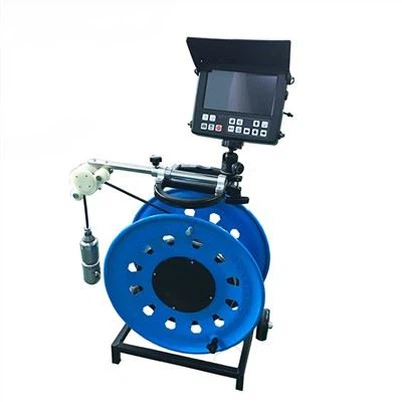
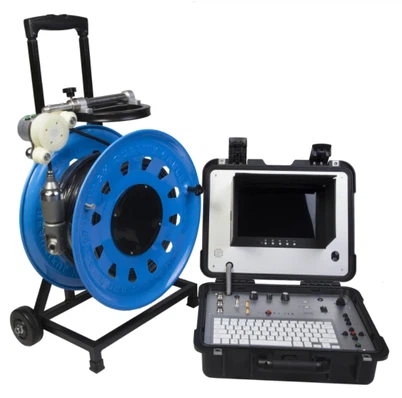
For those who need a reliable camera for borehole inspections, we recommend checking out our Borehole Water Well Inspection Camera System. It's equipped with a high - resolution HD camera that can provide clear images of the inside of water wells and pipes.
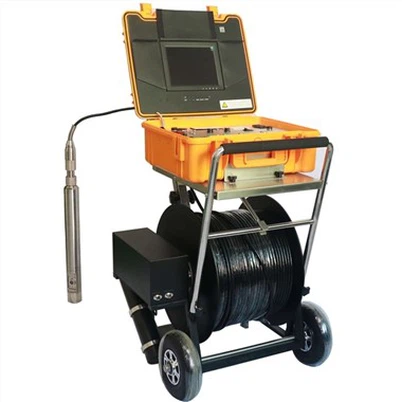
If you're working in the oil and gas industry, our Oil Gas Borehole Camera For 5000m and 5000m Depth Oil Inspection Camera are great options. These cameras are designed to withstand the harsh conditions of deep - borehole inspections and offer excellent resolution for detecting potential issues.
Conclusion
Camera resolution is a critical factor when choosing an ROV robot. It can make the difference between getting a clear view of the underwater world and struggling to make out what's going on. Whether you opt for SD, HD, or 4K, make sure to consider your specific needs, budget, and the operating conditions.
If you're interested in learning more about our ROV robots and their camera options, or if you're ready to start a procurement discussion, don't hesitate to reach out. We're here to help you find the perfect ROV solution for your project.
References
- Underwater Imaging Technology Handbook
- Marine Robotics and Autonomous Systems Research Papers