
Can a pipe camera be used in pipes with low flow rates?
Leave a message

Can a pipe camera be used in pipes with low flow rates? That's a question I get a lot as a pipe camera supplier. In this blog, I'll share my insights on this topic and explain how our pipe cameras can work effectively in low - flow pipe conditions.
First off, let's understand what low flow rates in pipes mean. Low flow rates typically occur when the volume of fluid moving through the pipe is relatively small. This could be due to a variety of reasons, like a small - diameter pipe, a long - distance transport where friction reduces the flow, or a system that's designed to operate at a low capacity.
Now, the big question is whether a pipe camera can function properly in these low - flow scenarios. The answer is a resounding yes! Our pipe cameras are designed to be versatile and can handle a wide range of pipe conditions, including those with low flow rates.
One of the main advantages of using a pipe camera in low - flow pipes is that it allows for a clear view of the pipe interior. With less fluid movement, there's less turbulence and fewer suspended particles in the water. This means that the camera lens is less likely to get obscured by dirt or debris being swept around by fast - flowing water. As a result, we can get high - quality, sharp images and videos of the pipe walls, joints, and any potential issues like cracks or blockages.
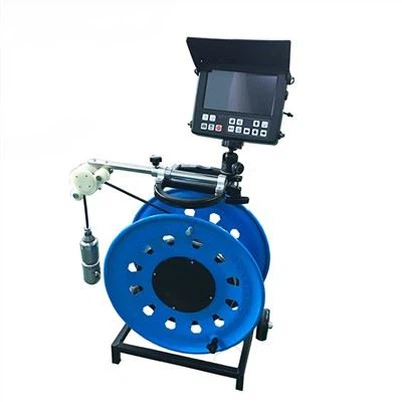
For example, in old residential plumbing systems, the water flow might be quite low, especially in the smaller pipes leading to individual fixtures. Using our Borehole Inspection Camera, plumbers can easily inspect these pipes for signs of corrosion or leaks. The camera's high - resolution lens and powerful lighting system ensure that even in the dimly lit, low - flow pipes, every detail is visible.
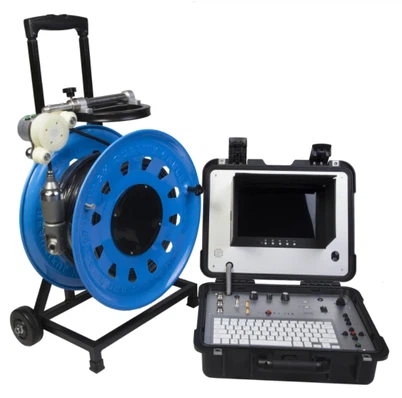
Another area where low - flow pipe inspection is crucial is in industrial settings. Some industrial processes use pipes to transport chemicals or other substances at a controlled, low flow rate. Any damage or blockage in these pipes can disrupt the entire production process. Our Borehole Deep Water Inspection Camera is ideal for such applications. It can withstand harsh chemical environments and provide a detailed inspection of the pipe interior, helping maintenance teams to identify and address problems before they cause major issues.
However, it's not all smooth sailing. There are a few challenges that we might face when using a pipe camera in low - flow pipes. One of the main issues is the potential for sediment buildup. In pipes with low flow, sediment can settle on the pipe walls and the camera itself. This can affect the camera's performance and the quality of the images. To overcome this, our pipe cameras are equipped with self - cleaning mechanisms. For instance, some models have a rotating brush or a water - jet cleaning system that can keep the lens clean during the inspection.
Another challenge is the limited movement of the camera in low - flow pipes. Since there's not much fluid force to push the camera along, we might need to use additional tools to maneuver it. Our cameras come with flexible cables and adjustable steering mechanisms that allow operators to guide the camera through the pipe, even in low - flow conditions.
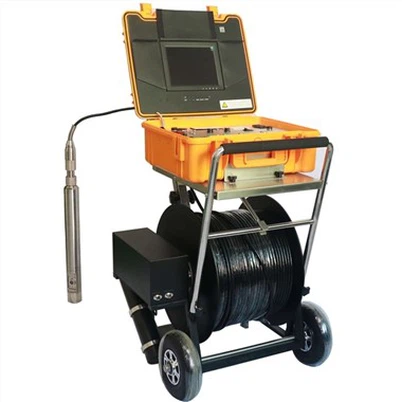
When it comes to choosing the right pipe camera for low - flow pipes, there are a few factors to consider. The camera's lighting is crucial. In low - flow pipes, there might not be much natural light, so a powerful and adjustable lighting system is essential. Our Underwater dual view borescope inspection camera has multiple LED lights that can be adjusted according to the pipe's interior conditions, ensuring clear visibility at all times.
The camera's resolution is also important. Higher resolution means more detailed images, which are essential for detecting small cracks or other issues in the pipe. Our cameras offer high - resolution imaging capabilities, allowing for accurate and reliable inspections.
In addition, the camera's durability is a key factor. Pipes can be rough environments, and the camera needs to be able to withstand bumps, scratches, and exposure to various substances. Our pipe cameras are built with high - quality materials and are designed to be rugged and long - lasting.
If you're in the business of pipe inspection or maintenance, and you're dealing with pipes that have low flow rates, our pipe cameras are the perfect solution. They offer a cost - effective and efficient way to inspect pipes, saving you time and money in the long run. Whether you're a plumber, an industrial maintenance technician, or a contractor, our cameras can help you do your job better.


So, if you're interested in learning more about our pipe cameras or want to discuss your specific inspection needs, don't hesitate to reach out. We're here to help you find the right camera for your low - flow pipe inspection requirements. We can provide detailed product information, offer demonstrations, and answer any questions you might have. Let's work together to ensure the integrity of your pipes and the smooth operation of your systems.
References
- General knowledge of pipe inspection technologies and camera applications in the industry.
- In - house product development and testing data related to pipe camera performance in low - flow conditions.