
How do underwater cameras do anti-corrosion work?
Leave a message
The underwater camera will take into account the corrosion of seawater when working underwater. Of course, we can also take some measures to reduce the corrosion effect in our usual work. So how do underwater cameras do anti-corrosion work?

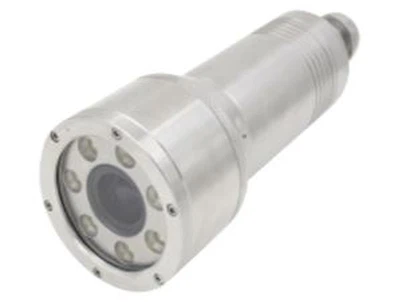
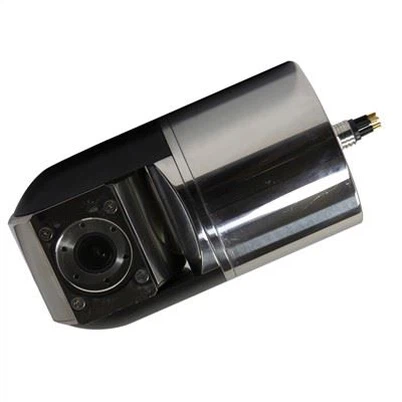
1. The material of the watertight box must be corrosion-resistant. For portable underwater cameras, corrosion-resistant light alloys are used for the purpose of being lightweight. For suspended underwater cameras, use brass or stainless steel. For the radiation-resistant underwater camera, the shell of the camera is made of stainless steel with good radiation-resistant performance, which can prevent corrosion.
2. In terms of structure, it is necessary to adopt the form of end face sealing to meet the requirements of the watertight performance. If it is cast by sand casting, there are many cases where air bubbles damage the water tightness, so the epoxy resin impregnation process is also used.
3. The underwater camera should be washed with clean water after each use to avoid corrosion, and stainless steel is better for long-term placement in the sea.
4. For the underwater camera that has been used continuously for two months, in order not to corrode the box itself, a replaceable electrode can be added, and a DC bias voltage can be added.
5. Due to the small pores covered by the cable of the underwater camera, the water tightness will be damaged, so it needs to be covered with neoprene rubber. When used in a deep sea of more than 600 meters, the filling material of the cable core wire requires a material with strong rigidity. A special design is also required in terms of flexibility.