
Can an ROV robot be used for underwater mining?
Leave a message

Can an ROV robot be used for underwater mining? That's a question I get asked a lot, especially since I'm an ROV robot supplier. And let me tell you, the answer is a resounding yes! In this blog post, I'm gonna dive deep into the world of underwater mining and explain how ROV robots can play a crucial role in this industry.
First off, let's talk about what an ROV robot is. ROV stands for Remotely Operated Vehicle. These are uncrewed submarines that are controlled from the surface. They're equipped with cameras, lights, and sometimes even manipulator arms. They're used in a variety of industries, including scientific research, oil and gas, and obviously, underwater mining.
Underwater mining is a relatively new concept, but it's growing fast. There are massive deposits of valuable minerals like cobalt, nickel, and manganese on the ocean floor. These minerals are used in everything from smartphones to electric car batteries. And as the demand for these products increases, so does the need to mine these minerals.
But underwater mining isn't easy. The ocean is a harsh environment, with high pressure, cold temperatures, and limited visibility. That's where ROV robots come in. They can handle these conditions with ease. For starters, their cameras are essential. You can check out the Best Underwater Fishing Camera on our website to get an idea of the quality of the visuals these cameras can provide. These cameras allow operators on the surface to see what's going on down there, even in low - light conditions. They can spot mineral deposits, map the ocean floor, and monitor the mining operation in real - time.
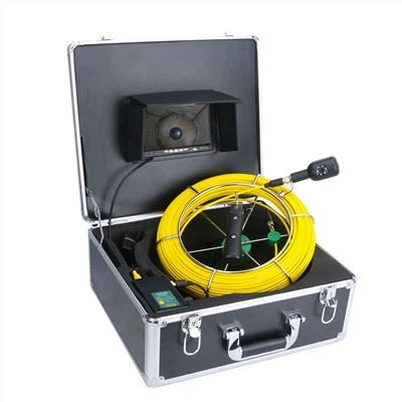
The Stainless Steel Pan and Tilt Underwater Video Camera Fishing Inspection Camera System On Sales is another great example. Its pan - and - tilt functionality gives operators a wide range of viewing angles, which is super useful when exploring the ocean floor for potential mining sites.
ROV robots also have the ability to carry out tasks with their manipulator arms. They can collect samples of the seabed to analyze the mineral content. This helps mining companies determine if a particular area is worth mining. They can also perform maintenance on the mining equipment. If something breaks down underwater, an ROV can go in and fix it, saving a lot of time and money compared to sending a human diver.
One of the major advantages of using ROV robots for underwater mining is safety. Sending human divers to the deep sea is extremely dangerous. The high pressure can cause serious health problems like decompression sickness, and there are always risks associated with underwater operations, such as getting caught in equipment or encountering dangerous marine life. With an ROV, operators can carry out the same tasks from the safety of a ship or a control room on land.
Another advantage is cost - efficiency. Once you've invested in an ROV, the ongoing costs are relatively low. You don't have to pay for a large team of divers, their equipment, and their safety training. Plus, ROVs can work around the clock without getting tired, which means increased productivity.
However, it's not all sunshine and rainbows. There are some challenges to using ROV robots for underwater mining. One of the biggest challenges is communication. Since the ROV is controlled from the surface, there needs to be a reliable communication link between the two. Radio waves don't work well underwater, so usually, a tether cable is used. But this cable can limit the ROV's range and movement.
Another challenge is the power supply. ROVs need a lot of power to operate their cameras, lights, and motors. Carrying a large power source on the ROV itself can make it bulky and difficult to maneuver. One solution is to use a power cable along with the tether cable, but this also has its limitations.
There are also environmental concerns. Underwater mining has the potential to disrupt the fragile marine ecosystem. ROVs can help mitigate some of these concerns by providing detailed data on the environment before, during, and after the mining operation. This data can be used to develop strategies to minimize the impact on marine life.
In terms of the future, the use of ROV robots in underwater mining is only going to grow. As technology improves, we'll see ROVs that are more autonomous, have better communication systems, and longer - lasting power sources. This will make underwater mining even more efficient and safer.
If you're in the underwater mining industry, or you're just interested in exploring the possibilities, I encourage you to consider using an ROV robot. We're a leading ROV robot supplier, and we've got a wide range of models to suit different needs and budgets. Whether you're just starting out with underwater exploration or you're looking to upgrade your existing equipment, we can help.


To learn more about our products or to discuss your specific requirements, just reach out to us. We'd love to have a chat and see how we can assist you in your underwater mining endeavors.
References
- “Underwater Mining: A Critical Review.” National Oceanic and Atmospheric Administration.
- “The Role of Remotely Operated Vehicles in Offshore Industries.” Maritime Technology Research Journal.